

“Encounter” between Art and Faith
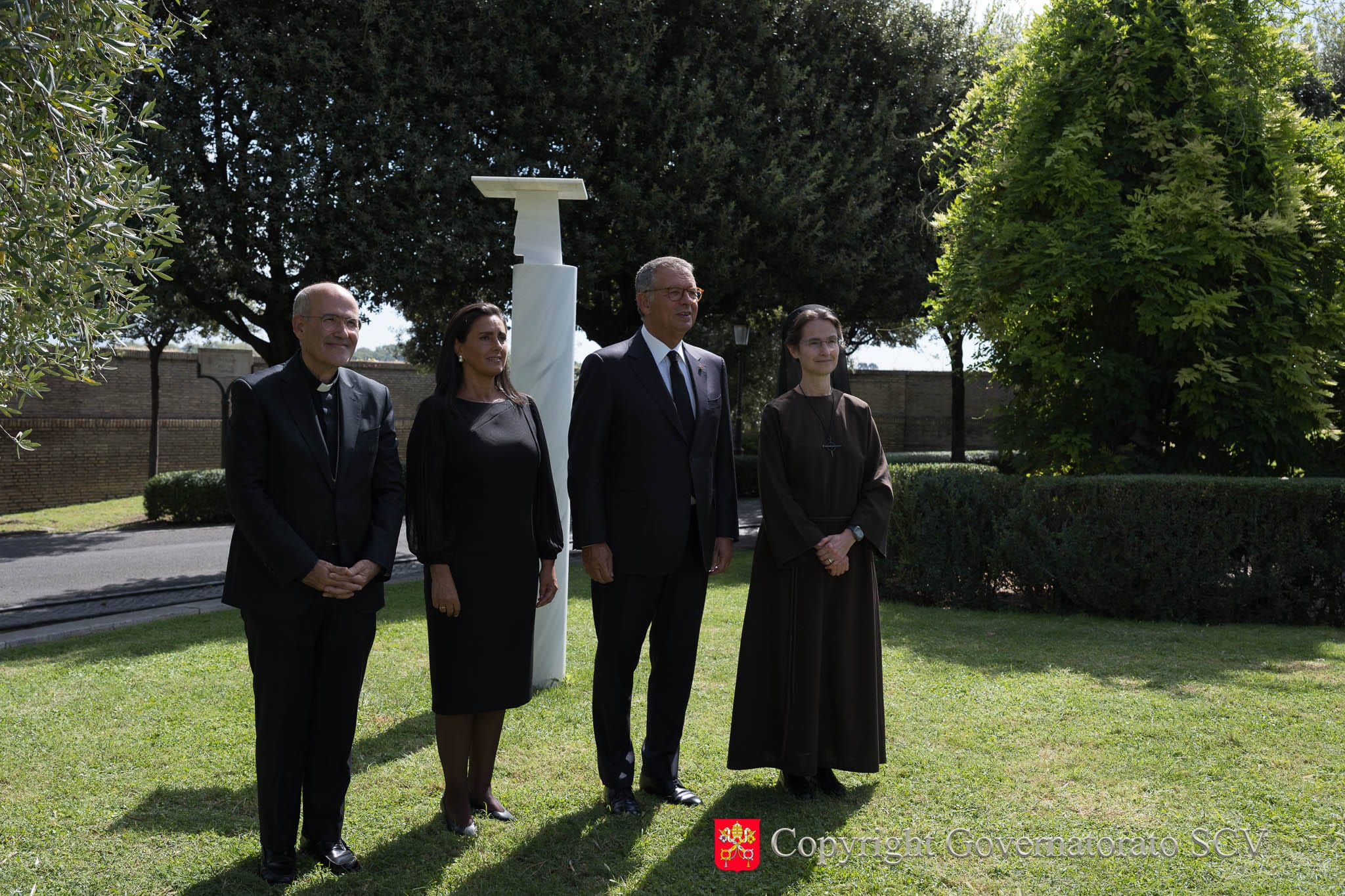
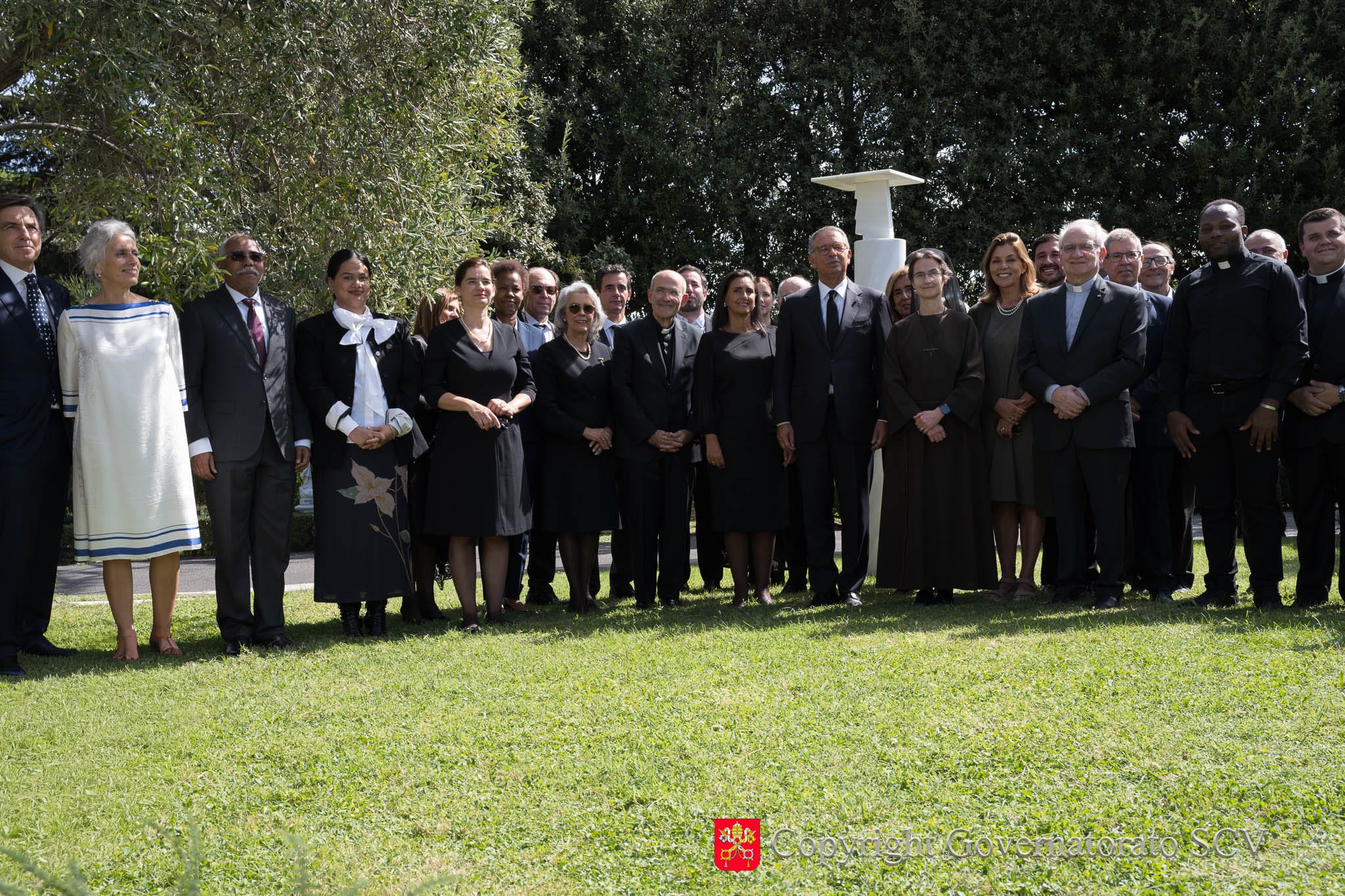
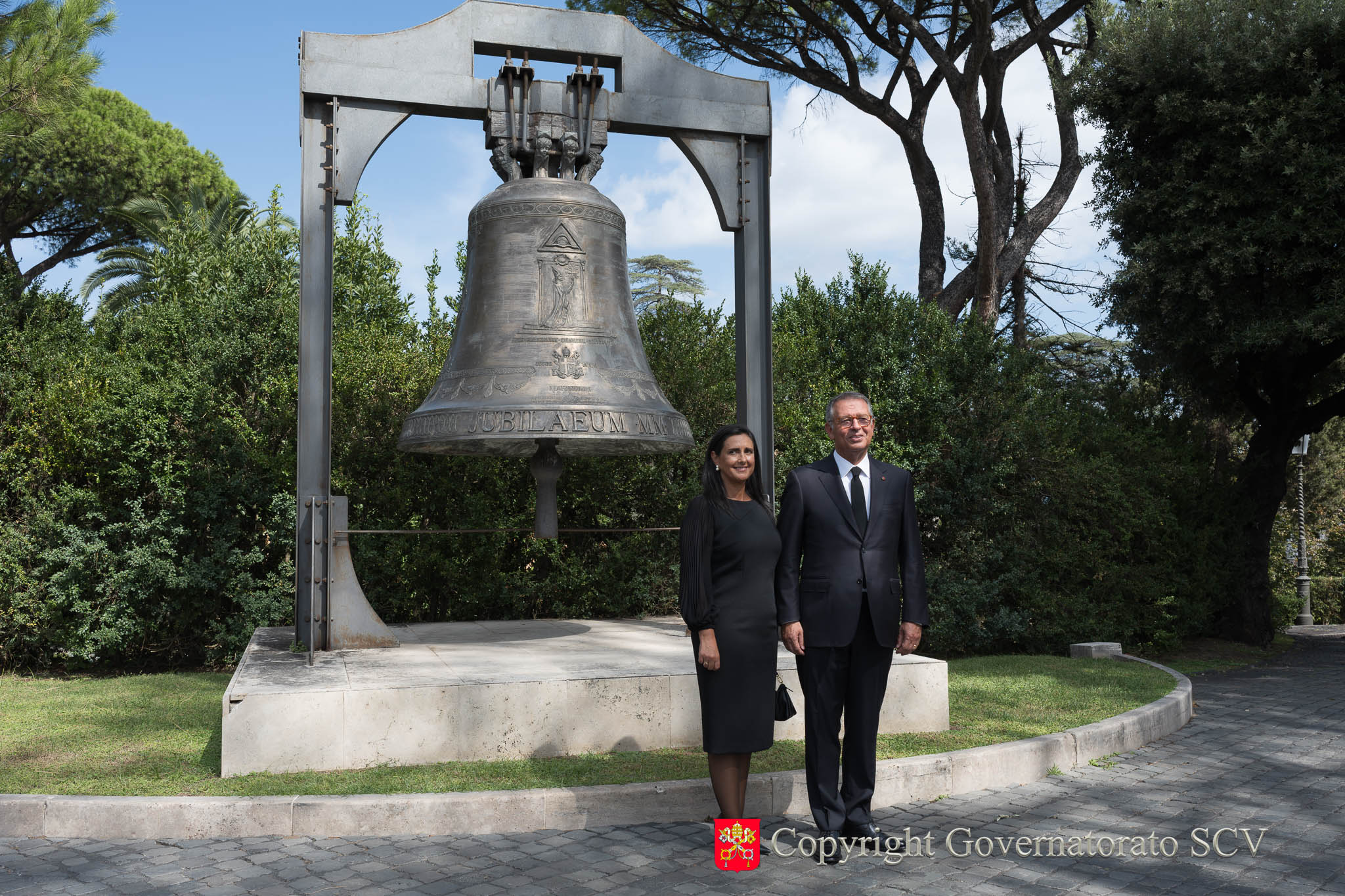
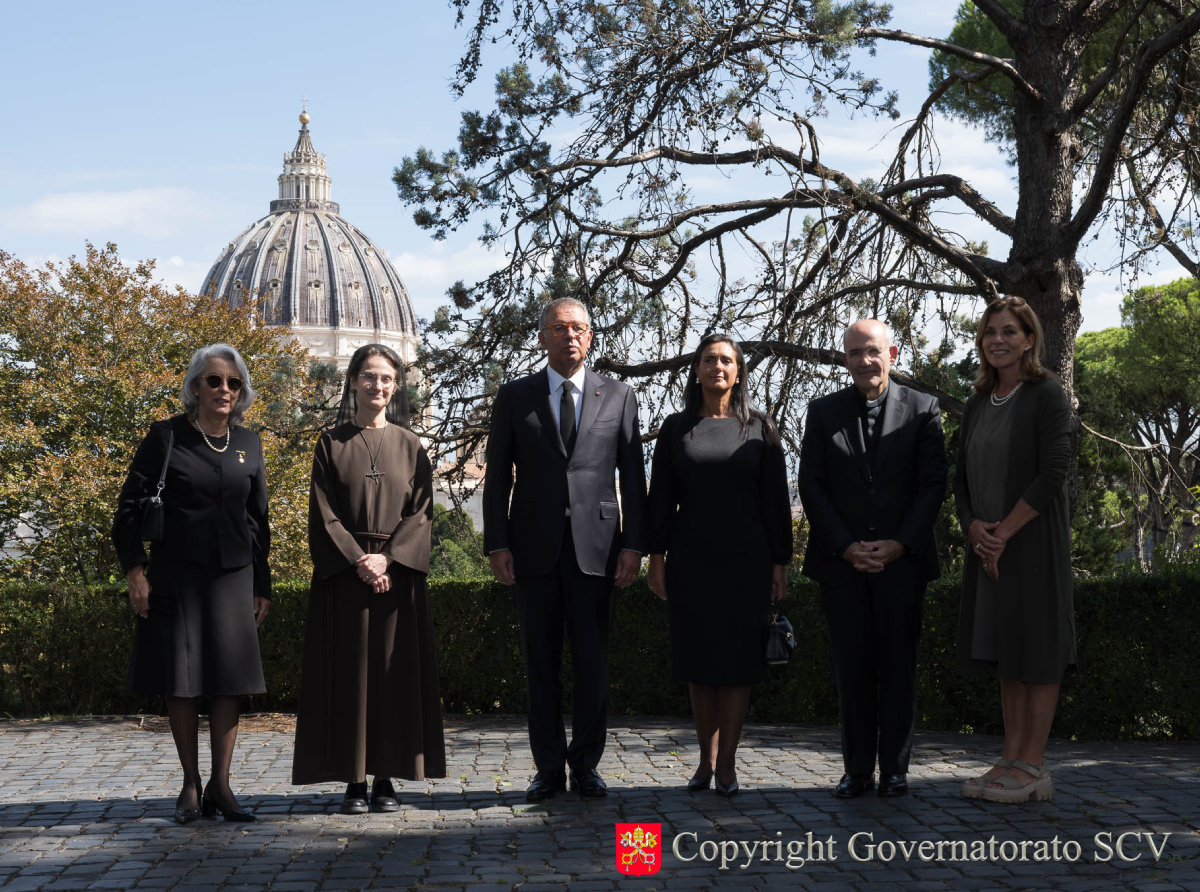
The sculpture entitled Encounter – Encontro, by Portuguese architect and artist Álvaro Siza Vieira, was unveiled in the Vatican Gardens on Thursday, 24 September, by the President of the Governorate of Vatican City State, Sr. Raffaella Petrini, in the presence of the President of Portugal, António José Martins Seguro.
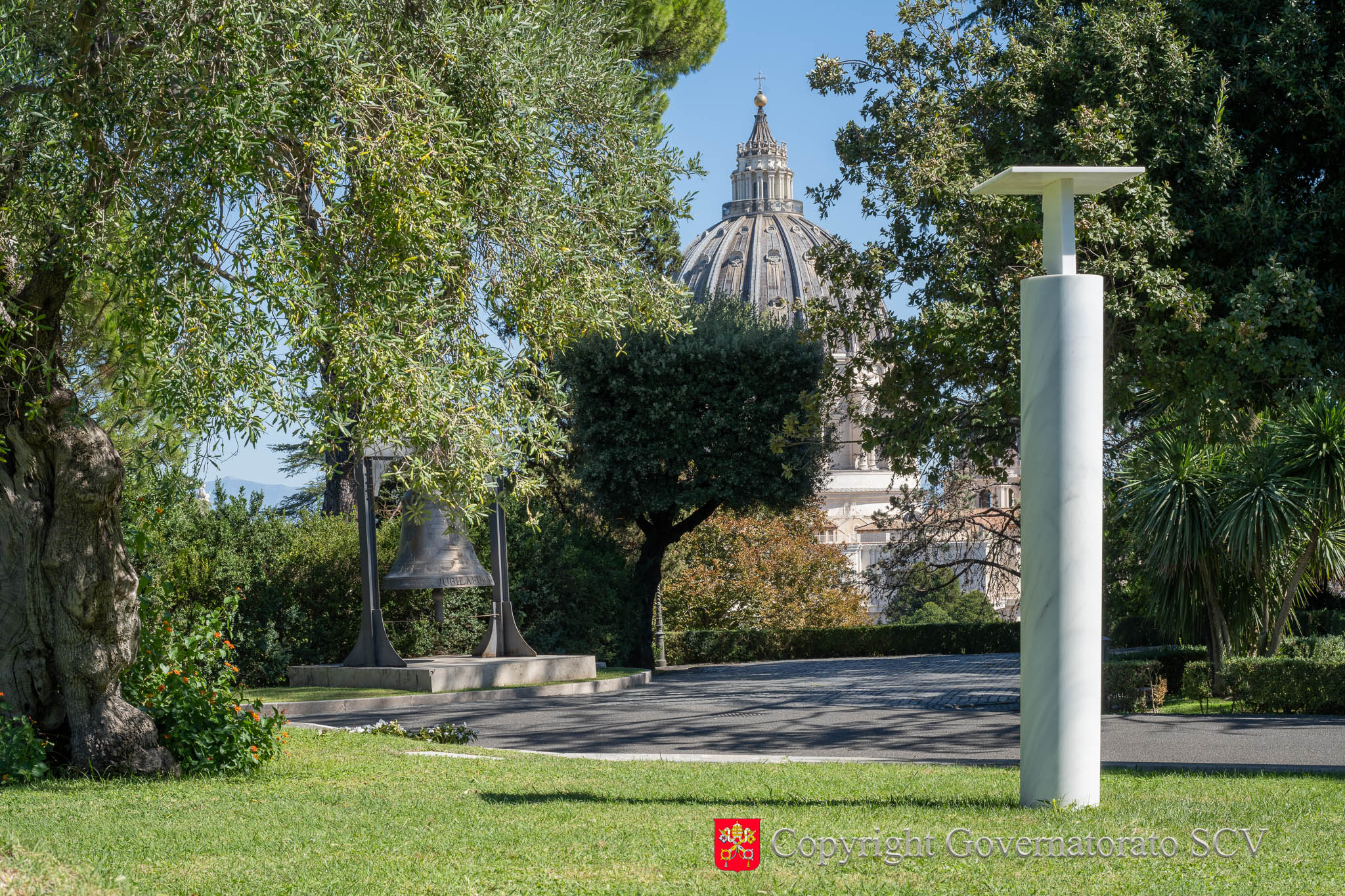
The anthropomorphic sculpture - installed at an elevated point in the Vatican Gardens near an olive tree, facing the dome of Saint Peter’s Basilica - is carved from white marble and depicts a slender, stylized figure.
The work had previously been displayed in the garden of the Abbey of San Giorgio Maggiore, opposite Saint Mark’s Square in Venice, as part of the Holy See Pavilion at the 2023 Venice Biennale. It belonged to a group of 12 sculptures, two made of marble and the others of wood.
Among those attending the ceremony were Cardinal José Tolentino de Mendonça, Prefect of the Dicastery for Culture and Education, the Ambassador of Portugal to the Holy See, Maria Amélia Maio De Paiva, and Barbara Jatta, Director of Vatican Museums and Cultural Heritage.
Below the address delivered by the President of the Governorate:
I welcome the President of the Portuguese Republic, H.E. António José Martins Seguro, and the Presidential Delegation;
Cardinal José Tolentino de Mendonça, Prefect of the Dicastery for Culture and Education;
the Ambassador of Portugal to the Holy See, H.E. Ms. Maria Amélia Maio De Paiva, and the Diplomatic Delegation accompanying her;
Barbara Jatta, Director of the Vatican Museums;
Maria Emanuela Bruni, President of the MAXXI Foundation;
Lorenza Baroncelli, Director of MAXXI Architecture and Contemporary Design;
António Choupina, Director of Architecture at the Serralves Foundation;
and, of course, all of you gathered here.
It is a great pleasure to be here today in the Vatican Gardens for the unveiling of the sculpture Encounter (Encontro), a work that has now become part of our surroundings here in the Vatican and, we hope, to be enjoyed by all those who visit them.
This work marks an important moment: an encounter between art, the Pope’s gardens, and the community. It no longer belongs solely to the artist who so skillfully created it — the Portuguese architect Álvaro Siza Vieira — but also to all of us, who are free to interpret it and to appreciate the inspiration behind its creation.
With its placement in the Vatican Gardens, facing the dome of Saint Peter’s Basilica, the sculpture invites us to commit ourselves to the care of our Common Home and to foster a culture of encounter.
In particular, through his participation in the 2023 Venice Biennale, the artist sought to envision a model of “fraternal architecture,” in which every place would be accessible to every person and each person could embody all of humanity.
The dimensions of the plaque we are installing today — one meter long, 30 centimeters wide and 4 centimeters thick — are also intended to represent an “encounter” with the biblical symbolism of numbers. The length of one meter represents unity and fullness, evoking the one God and the hundredfold mentioned in the Gospel of Matthew in the parables of the lost sheep and the sower, as well as in the promise of the reward of eternal life. The width of 30 centimeters evokes the Trinity and maturity. Thirty, in fact, was the age at which Jesus began his public ministry; there are three Sacraments of Christian Initiation; and the number three also recalls the day of the Resurrection. Finally, the thickness of 4 centimeters evokes the four Evangelists, the four virtues, the four cardinal points and the four seasons.
This wealth of symbolism makes the work truly unique. It is our hope that all those who have the opportunity to contemplate it will, in turn, be encouraged to become bearers of the universal message of fraternity that it reflects: builders of bridges and artisans of peace, tirelessly seeking that common good which — as Pope Leo XIV reminds us — gives life to every people, understood not simply as a collection of individuals, but as a living reality in which people learn to recognize the bonds that unite them to one another (cf. Magnifica Humanitas, 62).
I would therefore like to conclude by once again expressing my gratitude to the President of Portugal, the Portuguese Embassy and the promoters of this initiative, whose efforts have made it possible for this work to find its place in the Vatican Gardens. Thank you.