Archive

May 15: Saint Isidore, Farmer

Work and Prayer: the Path to Holiness 

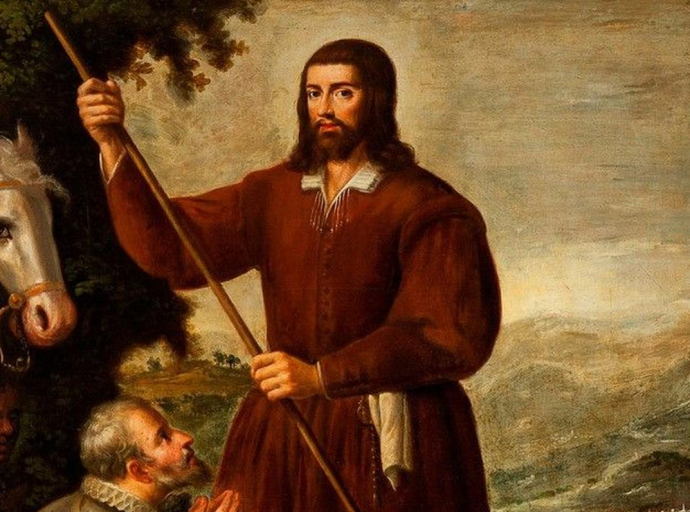
He was a humble farmer, very poor, who spared no effort and sacrifice to bring a piece of bread home.  However, he had discovered Christ and everything else seemed nothing compared to his friendship with Him. His name was Isidore. He was born around 1080 in Madrid, which at the time was not yet the capital of Spain but a city like any other.
May 15: Saint Isidore, Farmer

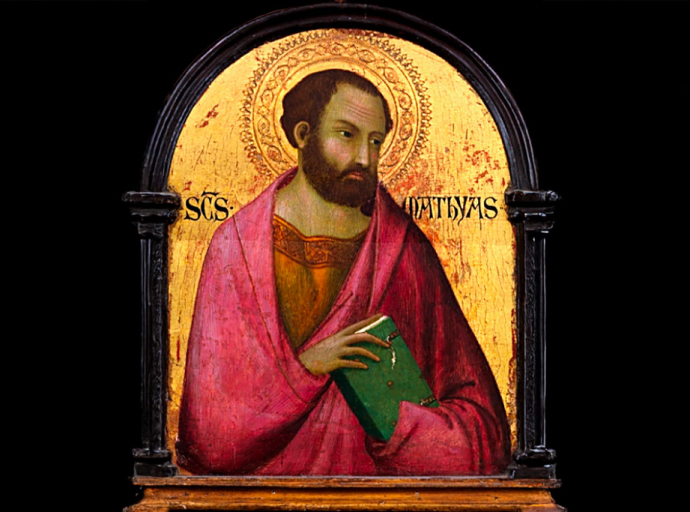
May 14: Saint Matthias Apostle

The Last Apostle 

In the Acts of the Apostles (1:15-26) it is said that in the days following the Ascension of the Lord, the Apostle Peter, presiding at the assembly of 120 brothers, proposed that they choose one amongst themselves to take the place of the traitor Judas Iscariot.

May 14: Saint Matthias Apostle

May 13: Our Lady of Fatima

Prayer and Penance 

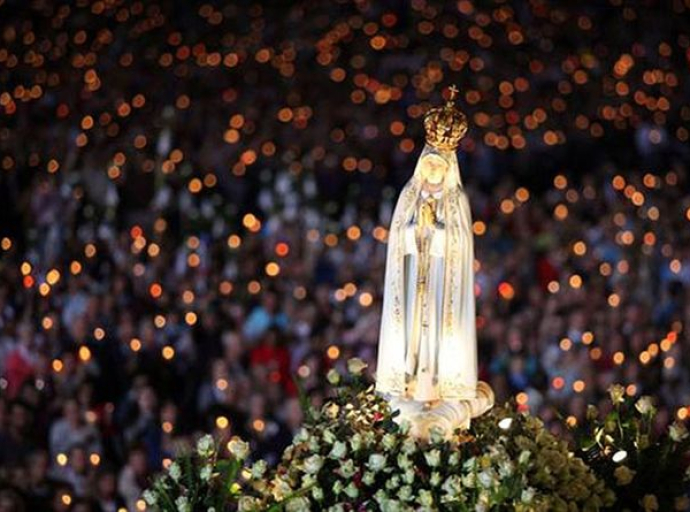
It was May 13, 1917, when Our Lady appeared to three children who were in a field grazing their sheep: Francisco Marto, aged 9, his younger sister Jacinta Marto , aged 7, and their cousin, Lucia dos Santos, aged 10. The apparition took place in Cova da Iria, a town near Fatima and was the first of a series apparitions. In fact, every 13th  of the month, from May to October, the Virgin Mary appeared to the three little shepherds, entrusting them with a message.

May 13: Our Lady of Fatima

May 12: Saint Pancras Martyr

Christ’s Athlete

"Pancrazio" was the name of a sport practiced in the Olympics of ancient Greece. The athletes had to compete in a cross between boxing and hand-to-hand wrestling, with no holds barred. Only biting and blinding were prohibited.

May 12: Saint Pancras Martyr

May 11: Saint Ignatius of Laconi

God’s Beggar

He walked through the streets of the city of Cagliari begging for alms and offering the Word of Life to all those he met along his way. He was illiterate and frail in health, yet in the school of Saint Francis of Assisi he learned how to bring peace to troubled souls and convert sinners.

May 11: Saint Ignatius of Laconi

May 10: Saint John of Ávila, Doctor of the Church

Master of Saints 

He was called the Apostle of Andalusia, a great preacher, a spiritual Master who guided many people to holiness and who was able to inspire conversions among those who listened to him.

His name was John of Ávila. He was born in Almodóvar del Campo (Ciudad Real), Spain around 1499 or 1500 into a very religious and wealthy family who owned a silver mine.

May 10: Saint John of Ávila, Doctor of the Church

May 9: Saint Pachomius, Abbot

The father of cenobitic monasticism 

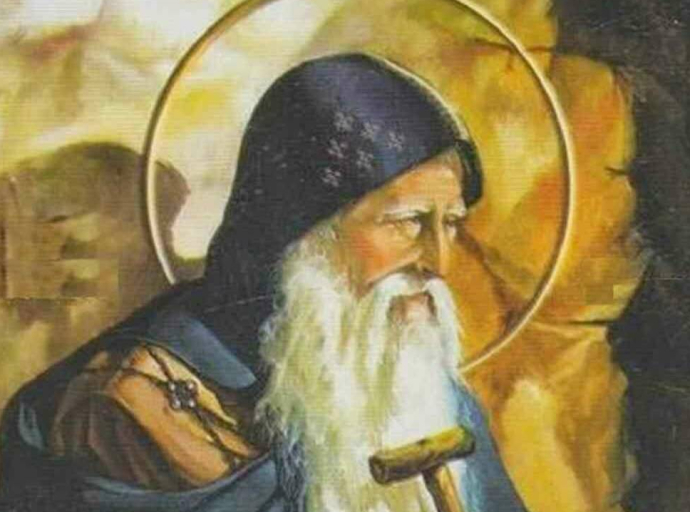
Founder of cenobitic monasticism and the first to have written a rule for religious  community life, Pachomius was born to a pagan family around the year 292 A.D., in the Thebaid region of Upper Egypt. At age twenty, he was enlisted against his will in the imperial armies of the Emperor Constantine to fight the Persian incursions. Locked in the  barracks in Thebes with other soldiers and left without food, he was fed by the local Christians. Struck by their charity, Pachomius prayed to the God of the Christians, promising that if he were freed from this bondage  he would dedicate his life to the service of his brothers. In fact, as soon as he was free, he converted and was baptized.

May 9: Saint Pachomius, Abbot

May 8: Blessed Virgin Mary of Pompeii

Choral Prayer to Our Lady of the Rosary

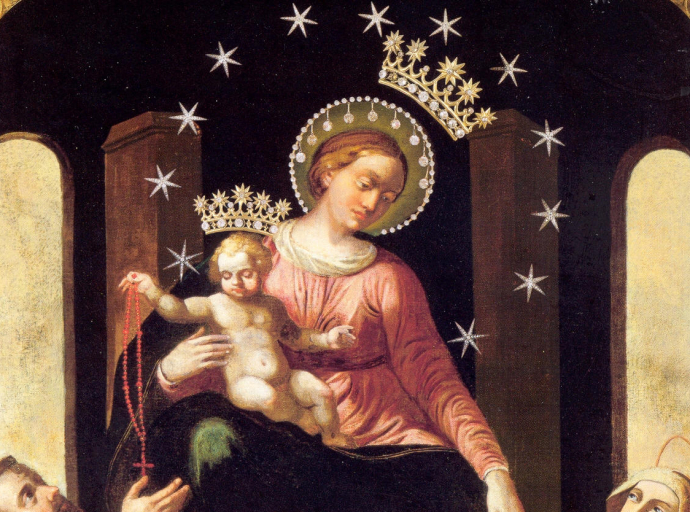
It arrived wrapped in a sheet on a cart of manure—hardly a triumphant entrance for the image of Our Lady of the Rosary that Saint Bartolo Longo had brought from Naples on November 13, 1875. Its destination was the Valley of Pompeii, the place chosen for the construction of a Shrine dedicated to the Virgin. As humble as the journey was, so great was the devotion that later arose among the faithful.

May 8: Blessed Virgin Mary of Pompeii

May 7: Saint Rosa Venerini

Serving Women: Emancipation through education 

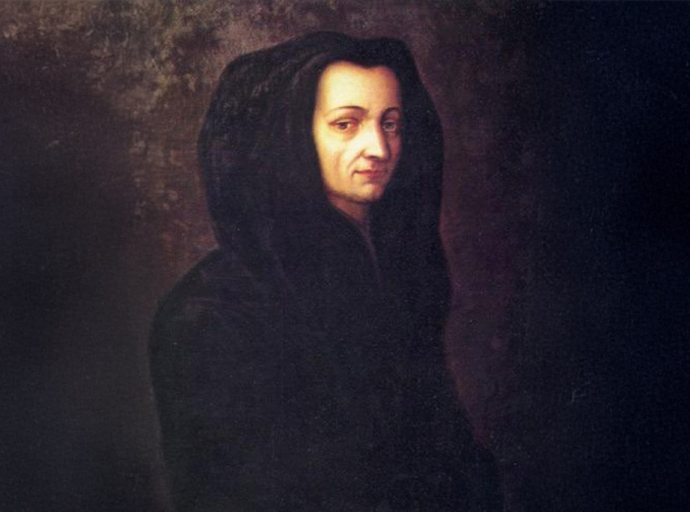
She understood the difficulties and marginalization to which women of her time were subjected and spared no energy to educate them and teach them the truths of faith. She was convinced that to welcome the Gospel it was necessary to free people from ignorance and error. Together with education, she believed that offering professional training would promote human development and affirmation in society. There were no doubts for Rosa Venerini, as she dedicated herself entirely to her apostolate and to the vocational education for women in the 17th century, an era in which they were barred from many opportunities.

May 7: Saint Rosa Venerini

May 6: Blessed Anna Rosa Gattorno

The Discovery of God’s Love

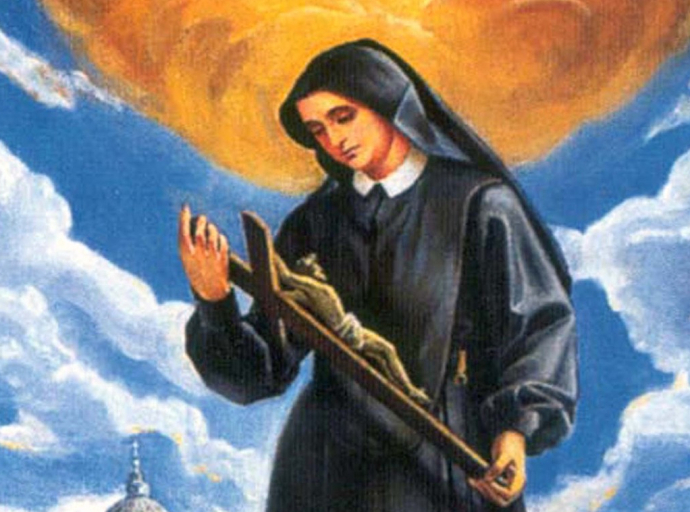
Wife, mother, widow, and founder of a religious congregation—this is the life journey of Anna Rosa Gattorno, born Rosa Maria Benedetta. She was born in Genoa on October 14, 1831, into a well-off family of shipowners, and received a Christian upbringing. According to the customs of high social classes at the time, she was educated at home. Very intelligent and eager to learn new things, she would entertain guests by playing the piano and singing.

May 6: Blessed Anna Rosa Gattorno