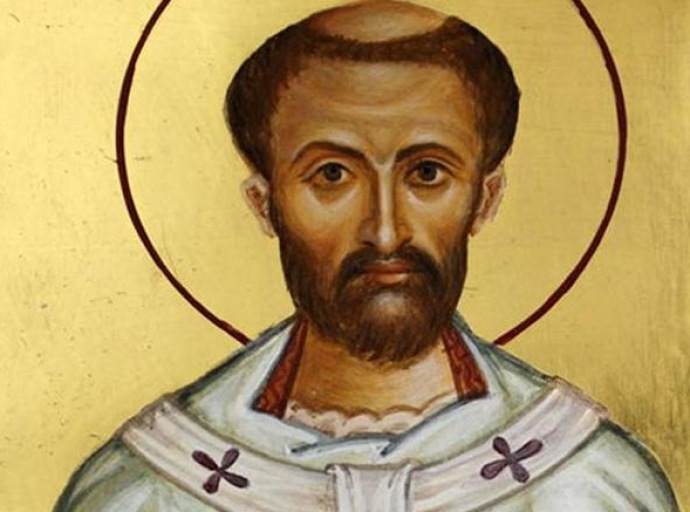


The Apostle to the Germans
Known as the Apostle to the Germans, he is considered one of the most important Anglo-Saxon missionaries and the one who brought Christianity to the Germanic lands of old.
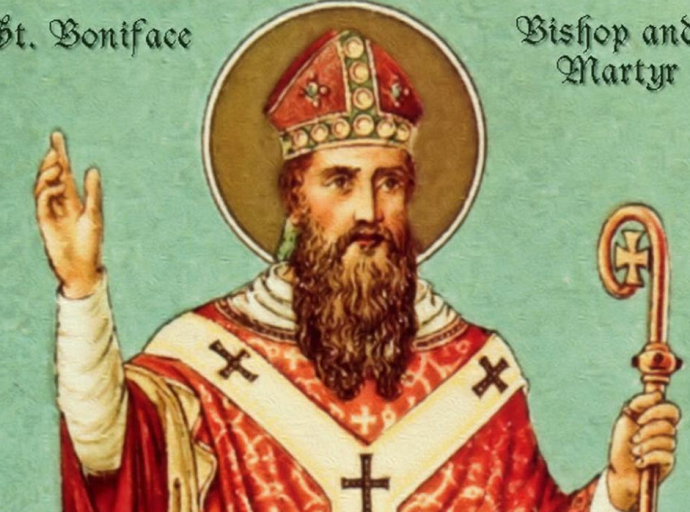
The Apostle to the Germans
Known as the Apostle to the Germans, he is considered one of the most important Anglo-Saxon missionaries and the one who brought Christianity to the Germanic lands of old.
The Saint of the Eucharist
He is considered one of the promoters of perpetual adoration of the Blessed Sacrament and one of the Eucharistic Saints par excellence. This is Saint Francis Caracciolo, born Ascanio, son of Ferrante of the noble Caracciolo family and Isabella, in Villa Santa Maria on October 13, 1563. Educated according to his noble status, at the age of twenty-two he was struck by a form of elephantiasis.
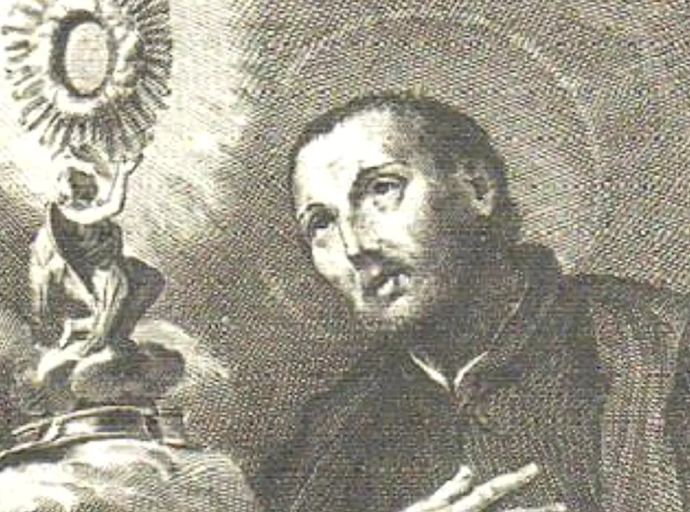
Devoted entirely to the sick and the poor
He called himself “John the Sinner.” He gathered abandoned sick people, begged alms for the poor, and died while practicing charity toward plague victims, from whom he contracted the disease himself. He is Saint John Grande, born in Carmona, Seville, Spain, on March 6, 1546. His father, a blacksmith, died when he was eleven years old, and his mother Isabel remarried.
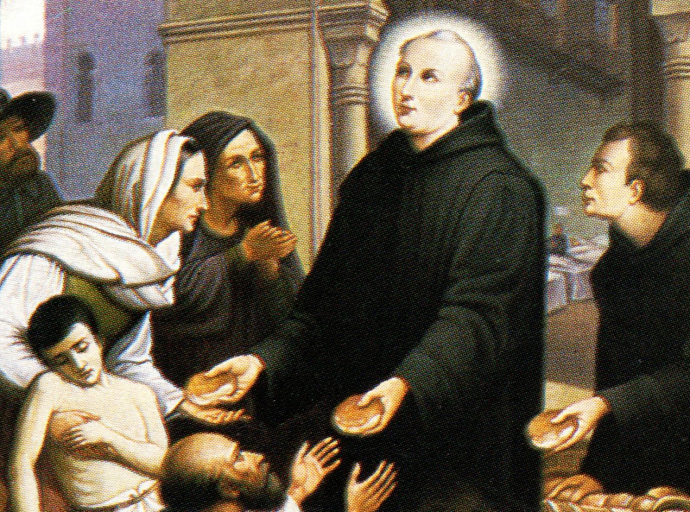
Martyr of Christ
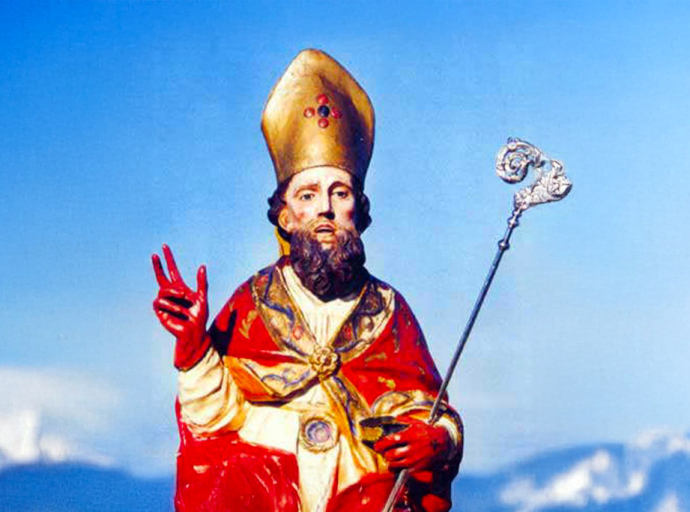
Information about the life of Saint Erasmus is scarce and derives from a Passio dating back to the 6th century. His date of birth is unknown. According to tradition, Erasmus was Bishop of Antioch. When persecutions against Christians broke out, he hid for seven years in a cave. Discovered and arrested, he was thrown into prison for refusing to sacrifice to the pagan gods.
The “Rogate” Invitation for Vocations
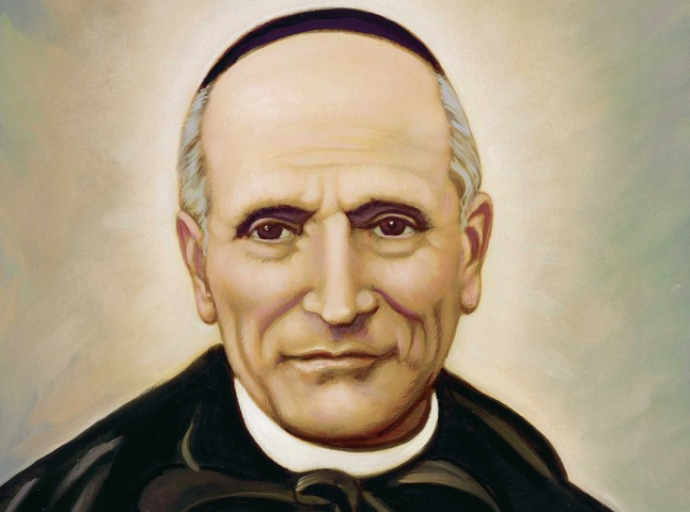
“Rogate”: the discovery of the necessity of prayer for vocations, according to the Gospel — “The harvest is plentiful, but the laborers are few. Therefore pray [Rogate] the Master of the harvest to send out laborers into His harvest” (Mt 9:38; Lk 10:2) — is the essence of the charism of Saint Hannibal Mary Di Francia. The premature death of his father also led him to develop a special tenderness and loving care toward orphans.
The humble friar who begged alms for the poor
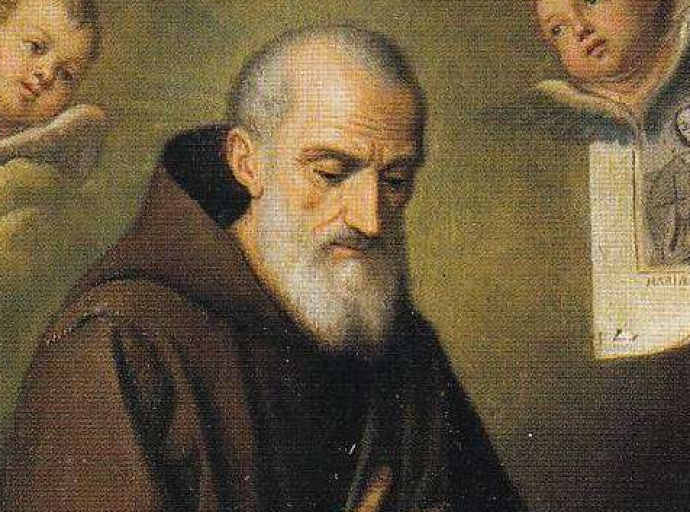
An illiterate, simple, and humble Franciscan friar, he asked the rich for alms in order to distribute them to the poor. For forty years, he walked through the streets of his town, proclaiming the Gospel through both word and example.
Obedient to the voice of God
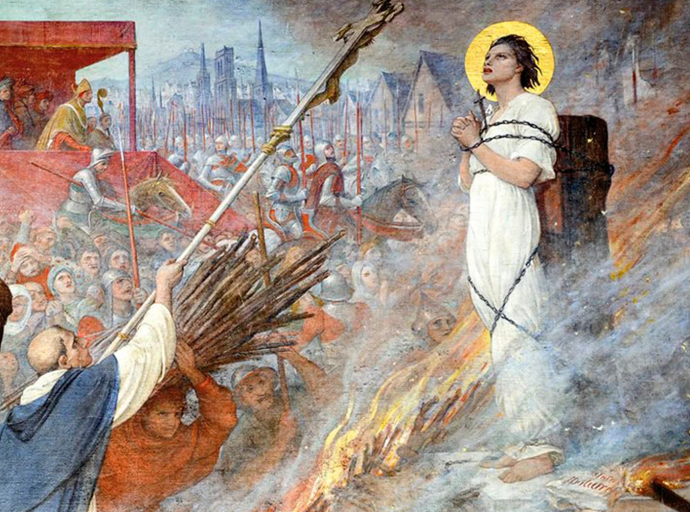
A “strong” woman who followed the impulse of the Spirit and obeyed the voice of the Lord asking her to free her people and to restore faith for those in desolation. A laywoman, consecrated to virginity yet not cloistered, Joan of Arc was involved in the most dramatic conflicts of the Church and society of the time.
The pilgrim in search of God
She made pilgrimage to Santiago de Compostela no fewer than nine times and spent ten years in the Holy Land. She became a hermit and later an oblate, eventually becoming a spiritual point of reference for the entire city. Her name was Bona.
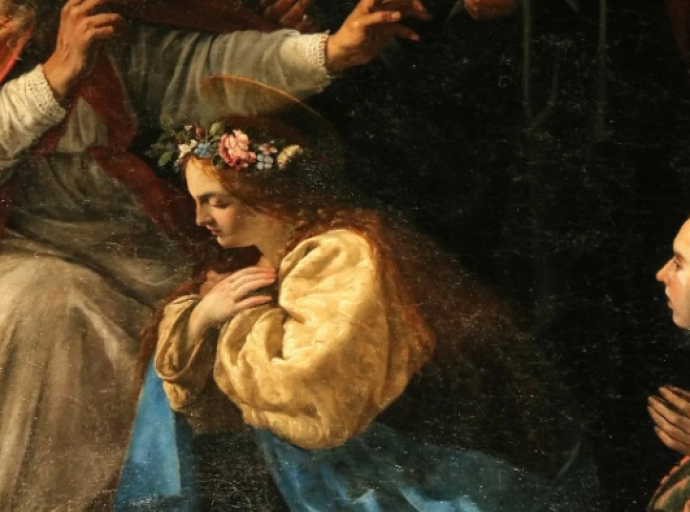
Emilio - martyred like St. Stephen
There is no certain information about the life of Emilio. Tradition places him as having lived around the 1st century and having been Bishop of Cagliari on the island of Sardinia.
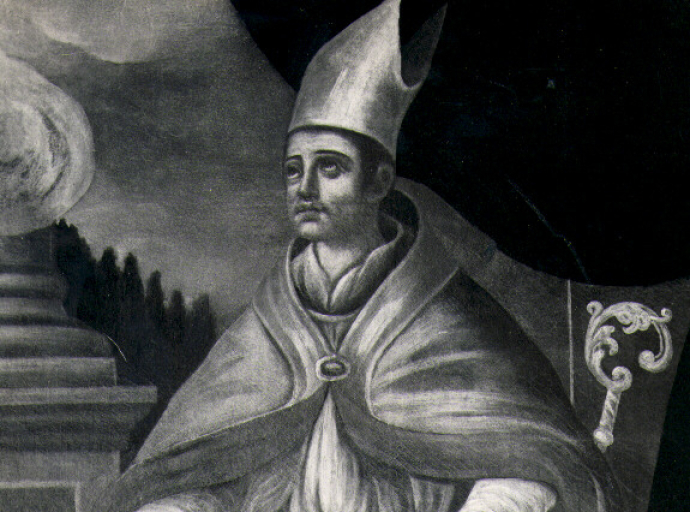
Apostle to England
A Benedictine monk sent by Pope Gregory the Great to be a missionary among pagans. He became the great re-evangelizer of ancient Britannia, but also the first Archbishop and Primate of England. He is Saint Augustine of Canterbury, known throughout the world by the name of the abbey he founded and where he was buried.