Archive

3 February: Saint Blaise, Bishop and Martyr

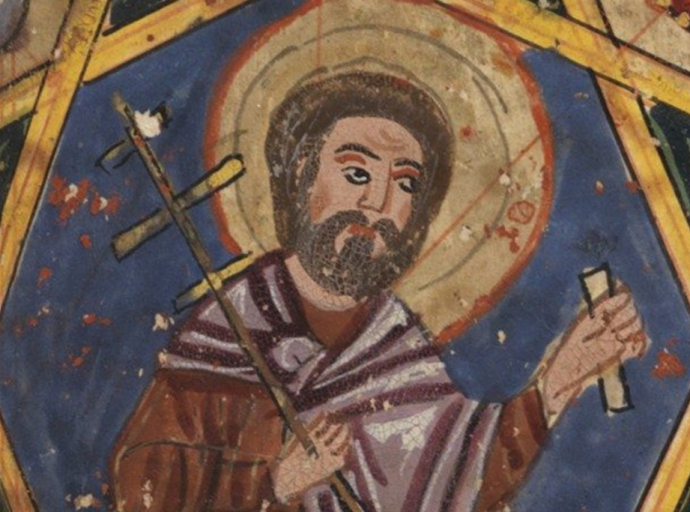
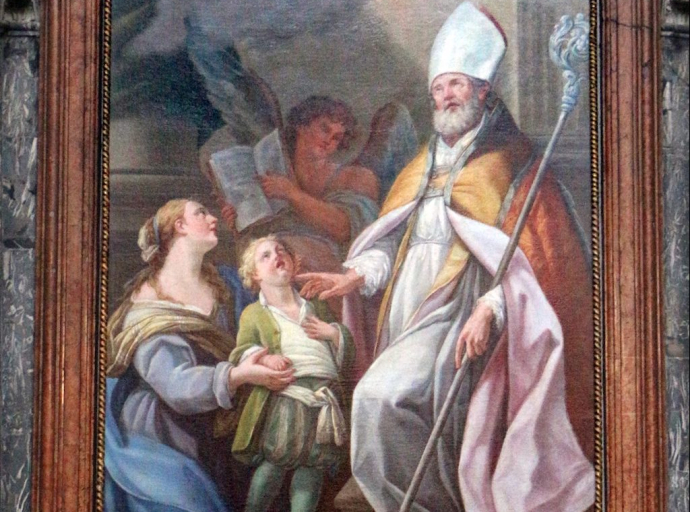
There is not much reliable information on Saint Blaise of Sebaste. What is known comes from the Acts of Saint Blaise, which were written in Greek. Blaise studied philosophy as a young man and was a respected physician in Sebaste, Armenia, his hometown. Following the death of the city’s Bishop, he was elected as his successor by popular acclaim.
3 February: Saint Blaise, Bishop and Martyr

2 February: The Presentation of Jesus at the Temple

Christ, the Light of the World

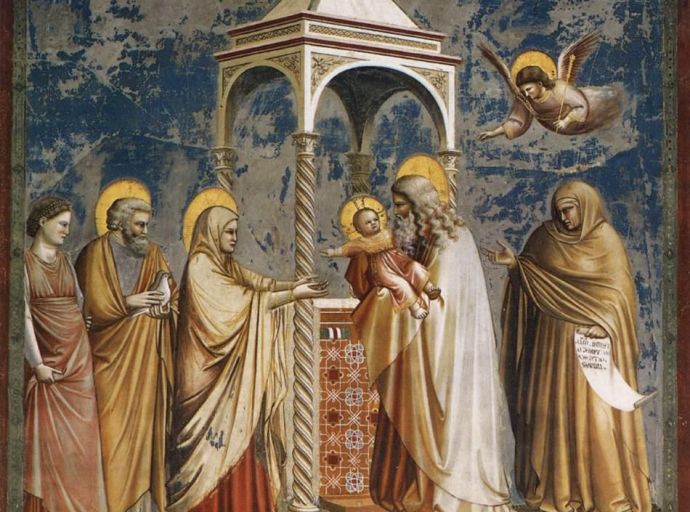
The Church celebrates the Feast of the Presentation of Jesus at the Temple, 40 days after Christmas. The feast is better known as the Feast of the Candelora (Candlemas) or the Festival of Lights, because it is inspired by a verse from the Gospel of Luke (2:22-40), in which Simeon prophesies that Jesus is “a light for revelation to the Gentiles, and for glory to thy people Israel”.

2 February: The Presentation of Jesus at the Temple

February 1: Saint Verdiana, Virgin

Recluse for the Love of Christ

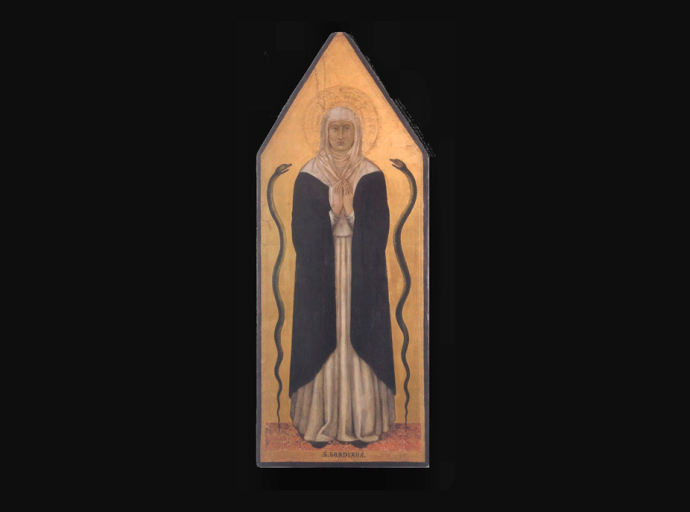
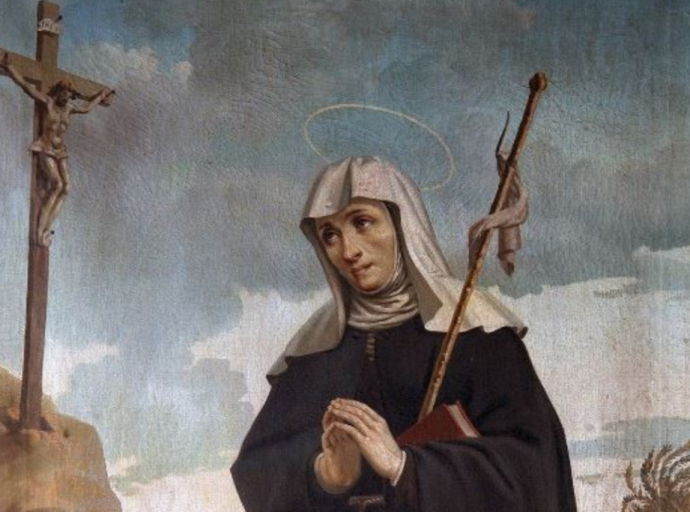
Verdiana was born in Castelfiorentino (province of Valdelsa in Tuscany), a commune recently named  by the Bishop of Florence. Historical sources place her birth in 1178 and popular tradition describes her as a young servant in the household of the Attavanti family.

February 1: Saint Verdiana, Virgin

31 January: Saint John Bosco

Education is a question of the heart

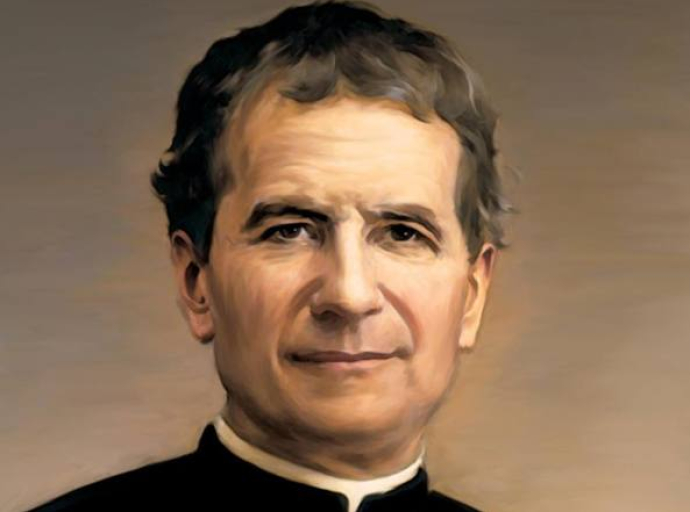
“Do not ever forget these three things, devotion to the Blessed Sacrament, devotion to Mary Help of Christians and devotion to the Holy Father”, Don John Bosco said to his companions, shortly before he died.

31 January:  Saint John Bosco

January 30: Saint Martina, Martyr

Offered in Sacrifice for Christ

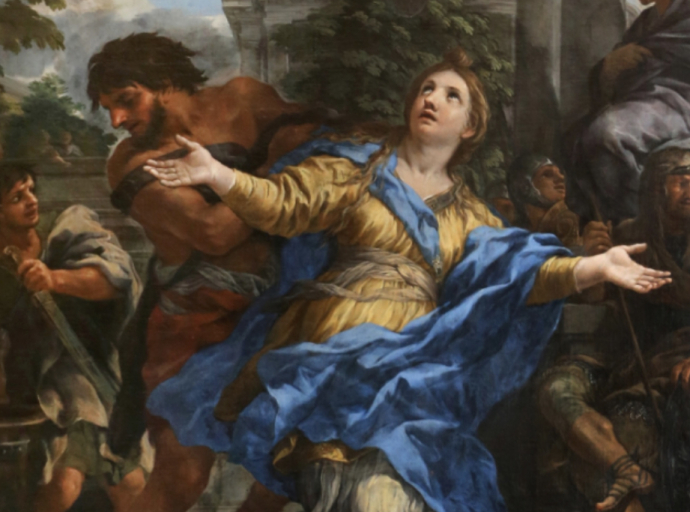
Saint Martina, venerated as a virgin and martyr, lived in Rome in the 3rd century. She belonged to a Patrician family. According to tradition, she was persecuted for her Christian faith during the reign of Emperor Alexander Severus.

January 30: Saint Martina, Martyr

January 29: Saint Sulpicius Severus, Bishop

A life given entirely to the Church

Sulpicius Severus was born in Aquitaine around the year 350 into a family of high rank. Like many young men of his time, he initially pursued a career in law, considered the quickest path to prestige and honors.

January 29: Saint Sulpicius Severus, Bishop

28 January: St. Thomas Aquinas, Doctor of the Church

The universe has nothing greater than the human soul

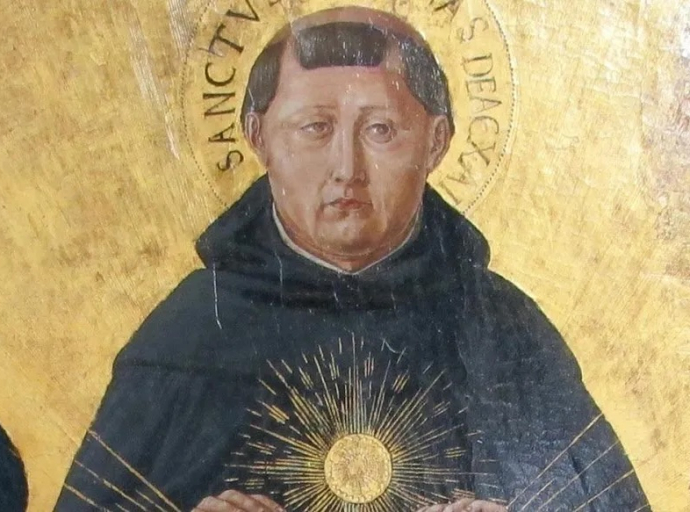
“Because we cannot know what God is, but rather what he is not, we have no means for considering how God is, but rather how he is not”, Saint Thomas Aquinas wrote. Thomas was born in 1225 in Roccasecca, in the province of Frosinone, to one of the most prominent families in Italy. Because he was the youngest child, he was destined for an ecclesiastical career. At the age of five, he entered Montecassino as a “puer oblatus”, and at fifteen, he studied Aristotelian philosophy, grammar, natural sciences, Arabic science and Greek philosophy at the University of Naples.

28 January: St. Thomas Aquinas, Doctor of the Church

27 January: Saint Angela Merici

A new form of consecration for women

In a courageous and innovative way for the 16th century, Saint Angela Merici developed a new form of consecrated life for women: no longer in the cloister, but out in the world. She founded the Company of St. Ursula for these women. Angela was closely attentive to the signs of the time, and based her model on the example of the early Church, lived by the Apostles and the early Christian communities, thus paving the way for modern devotion.

27 January: Saint Angela Merici

January 26: Saints Timothy and Titus, Bishops

Disciples of Saint Paul the Apostle

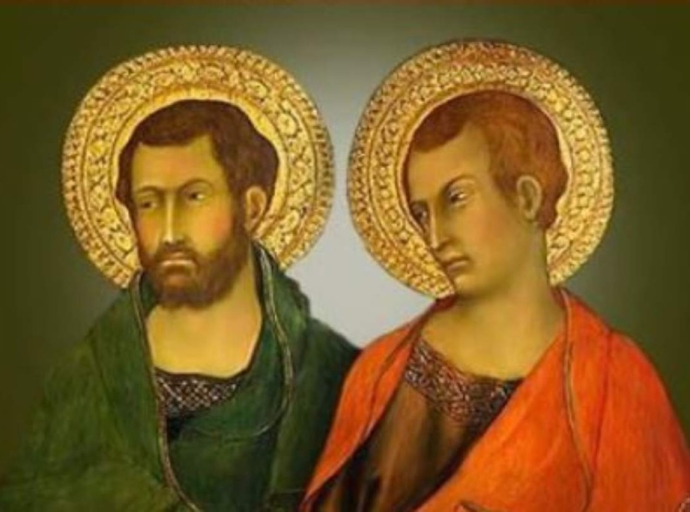
On the day following the conversion of Saint Paul, the Churches of the West commemorate with special attention two of his close collaborators: Timothy and Titus, key figures of the apostolic mission and among the first bishops of the Church.

January 26: Saints Timothy and Titus, Bishops

25 January: The Conversion of Paul the Apostle

From darkness to light

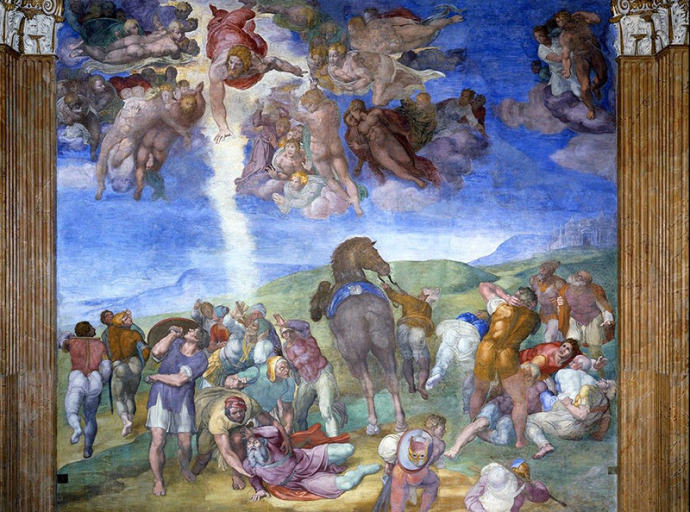
The Church celebrates Saint Paul’s Conversion on the road to Damascus, on 25 January. In one of the most powerful manifestations of divine grace, Saul, the fierce persecutor of Christians, became the Apostle of Nations. The event is narrated in the Acts of the Apostles.

25 January: The Conversion of Paul the Apostle