Archive

7 March: Saints Perpetua and Felicity, martyrs

Two mothers united in their witness to Christ unto sacrificing their lives

They were two young mothers: a 22 year old woman who was still nursing an infant, and a young woman who was eight months pregnant. Both were catechumens who had been imprisoned in Carthage, by Emperor Septimius Severus in 203 A.D. Perpetua and Felicity were from different social classes. Perpetua was part of a noble family, while Felicity was a servant. They were united by their faith in Christ and, later, by their martyrdom. They were arrested along with their catechist, Saturus, and other catechumens, including Saturninus, Revocatus and Secundulus
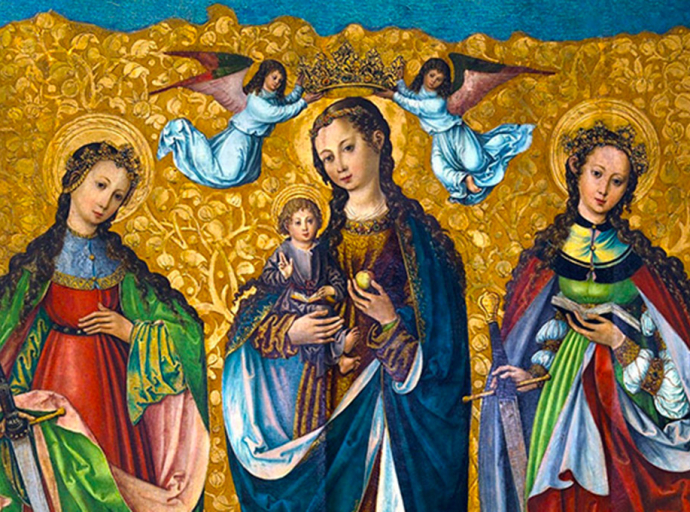
7 March: Saints Perpetua and Felicity, martyrs

March 6: Saint Rose of Viterbo

Peacemaker in the Name of Christ

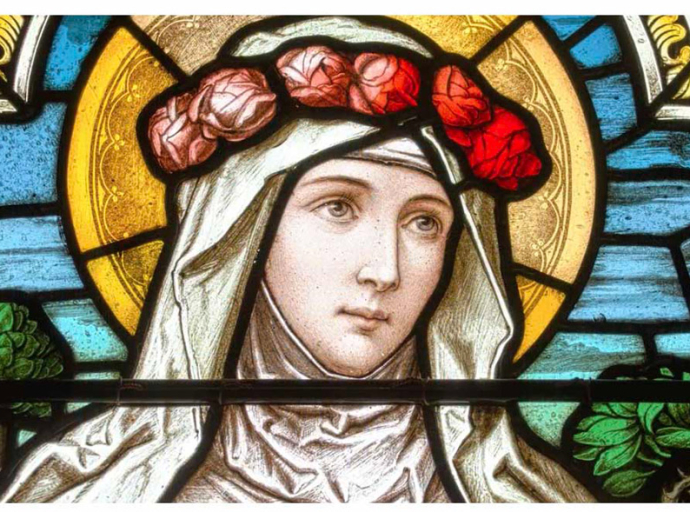
Rose was born in Viterbo in 1233, into a humble family. At that time, the city was the scene of clashes between Guelphs and Ghibellines, as Emperor Frederick II sought to remove it from papal influence. Her parents, Catherine and John, raised her in the faith, inspired by the charisma of Saint Francis of Assisi.

March 6: Saint Rose of Viterbo

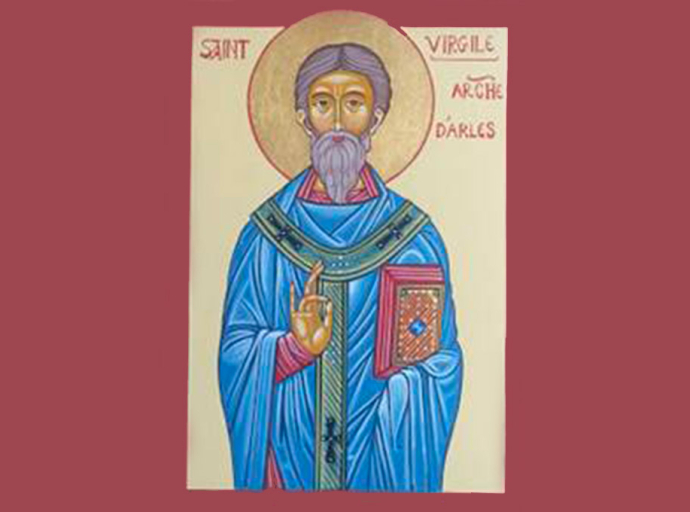
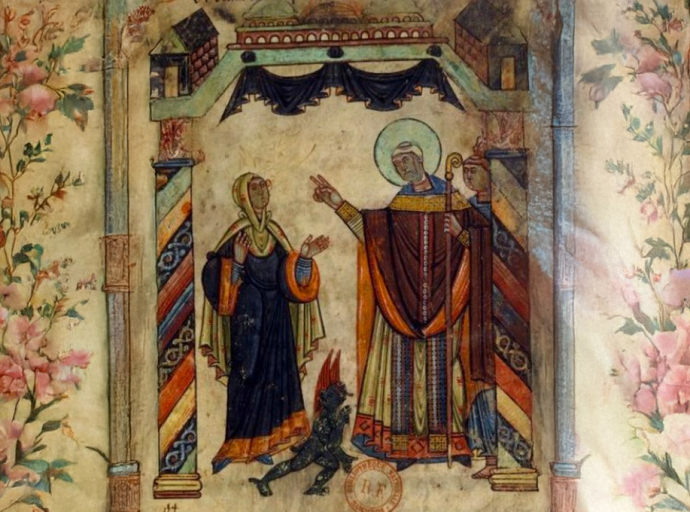
March 5: Saint Virgilius of Arles, Bishop

He assisted Saint Augustine of Canterbury in his mission

Saint Virgilius was born in Burgundy in the 6th century. He became abbot of the monastery of Saint Symphorian in Autun, and in 588 he was appointed Bishop of Arles.

He was outstanding in charity, helping the poor and the needy by founding hospitals and facilities for the sick. His pastoral zeal led him to evangelize southern Gaul. Pope Gregory the Great repeatedly invited him to support the efforts of Saint Augustine, prior of the Benedictine monastery of Saint Andrew on the Caelian Hill, and his 40 companions, whom he had sent to evangelize the Anglo-Saxons.

March 5: Saint Virgilius of Arles, Bishop

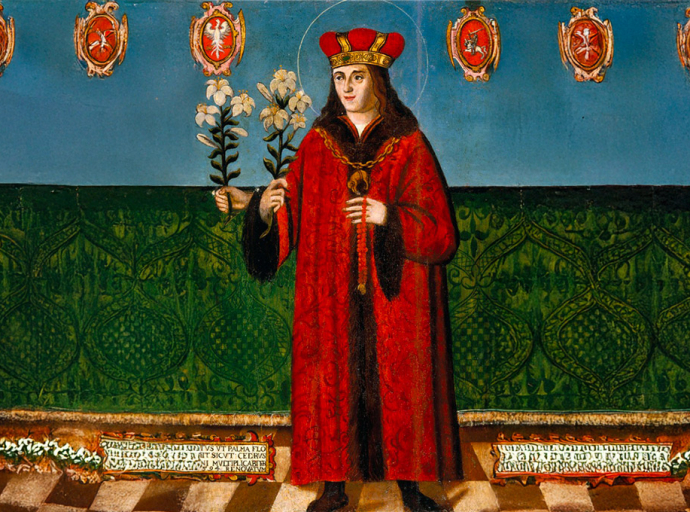
4 March: Saint Casimir

The Prince in Love with the Virgin Mary

He was born on October 3, 1458, in Wawel, the royal castle of Kraków, into the noble Jagiellonian family. The son of Casimir IV, King of Poland, he received a religious education from his mother, Elizabeth of Austria.

4 March: Saint Casimir

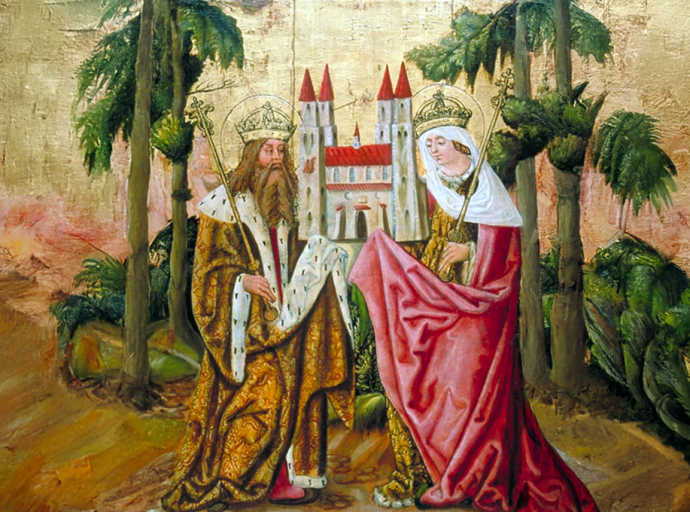
March 3: Saint Cunegonde, Empress

She Renounced Honors to Follow Christ

Cunegonde was born in 978 in Luxembourg to Sigfrid, the first Count of Luxembourg, and Hedwig of Nordgau, a descendant of Charlemagne. In 998 she married Henry IV, Duke of Bavaria, who was later elected Emperor of the Holy Roman Empire as Henry II the Saint. After the death of Otto III, her husband was crowned King of the East Franks on June 6, 1002. Cunegonde was crowned queen on the following August 10 in Paderborn.

March 3: Saint Cunegonde, Empress

2 March: Saint Agnes of Bohemia

The Princess Who Chose Poverty

Agnes of Bohemia was born in Prague in 1211 to King Přemysl Otakar I and Queen Constance of Hungary. Her brother later ascended the throne of Bohemia as Wenceslaus I.

At the age of three, in order to receive an education befitting her rank, she was sent to the Cistercian monastery of Třebnice, where her aunt, Saint Hedwig, lived. It was her aunt who guided her in coming to know Christ and in learning the life of prayer.

2 March: Saint Agnes of Bohemia

March 1: Saint Albinus, Bishop of Angers

Defender of the Bond of Marriage

Albinus belonged to a noble family originally from England that had settled in Brittany. He was born in 469 in Vannes and at an early age decided to follow Christ, entering the monastery of Cincillac or Tincillac.

March 1: Saint Albinus, Bishop of Angers

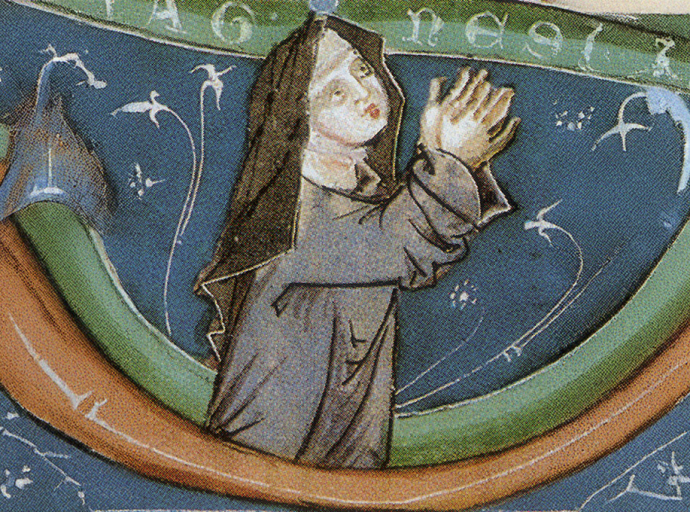
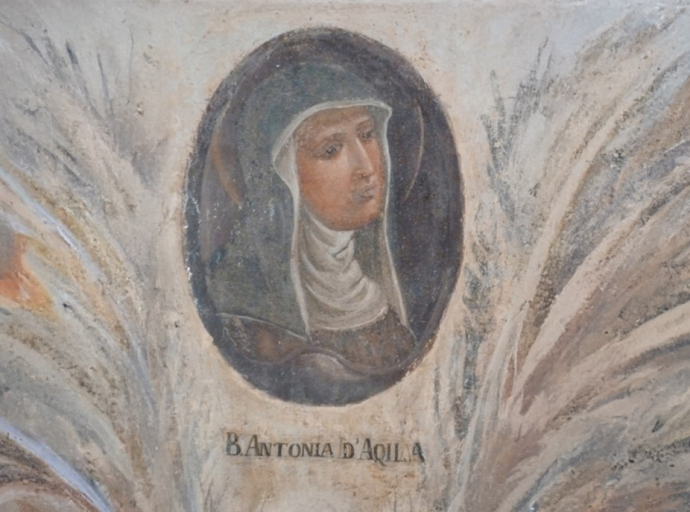
February 28: Blessed Antonia of Florence, Abbess

In the Spirit of Saint Clare

A radiant witness of evangelical poverty, lived hidden and with radical commitment—this is what shines forth from the life of Blessed Antonia of Florence. Born in the Tuscan capital in the early years of the fifteenth century, she married at a very young age. Widowed shortly afterward and mother of a son, she courageously faced her new condition, dedicating herself to raising her child. Yet within her heart a deeper desire was slowly maturing, leading her to refuse remarriage despite social pressures.

February 28: Blessed Antonia of Florence, Abbess

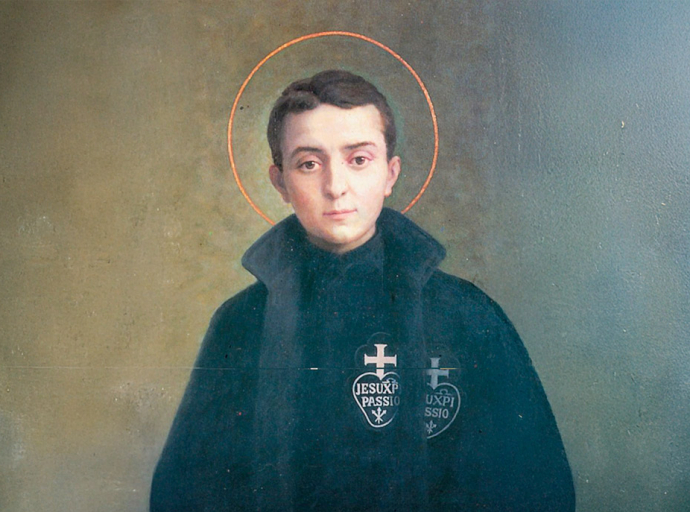
February 27: Saint Gabriel of Our Lady of Sorrows

Surrendered to the love of Mary

The brief life of Gabriel of Our Lady of Sorrows, marked by contagious joy and an intense love for the Virgin Mary, left a profound imprint: he remains in the history of the Church as the “Saint of the Smile,” capable of transforming fragility and suffering into a hope that touched everyone around him.

February 27: Saint Gabriel of Our Lady of Sorrows

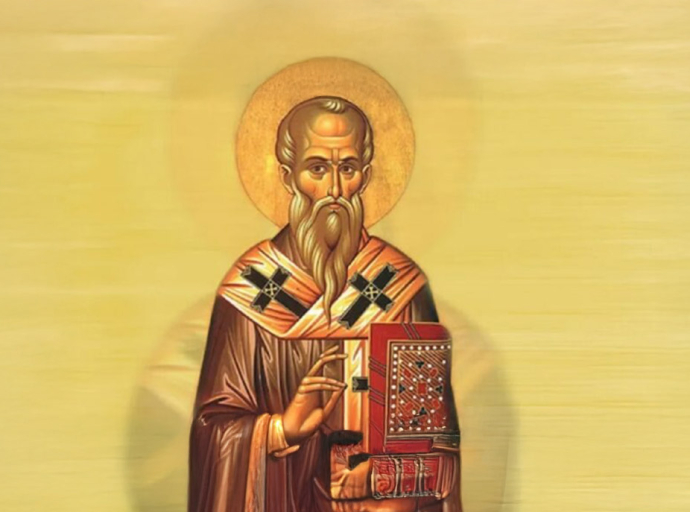
February 26: Saint Alexander, Patriarch of Alexandria

Defender of the Faith Against Heresy

Alexander, destined to become leader of the Church of Alexandria, was born in 250 and, in 313, assumed responsibility for the Patriarchate at a decisive moment in history. Christianity was emerging from being a clandestine religion, thanks to imperial measures that guaranteed its freedom.

February 26: Saint Alexander, Patriarch of Alexandria