Archive

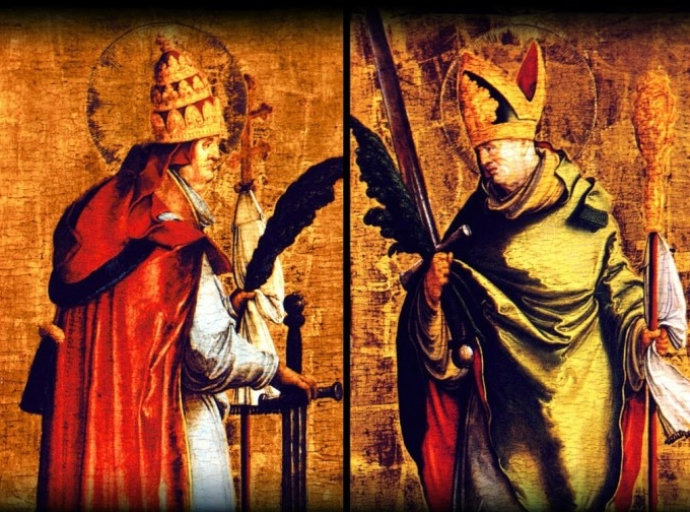
September 16: Saints Cornelius and Cyprian, Martyrs

United in love for the Church

Cornelius, possibly a member of the noble Cornelii family, was elected Pope in 251 for his renowned qualities of kindness, prudence, and humility. Before his election, during the period of the Sede Vacante, Novatian, an educated and influential priest, had temporarily led the Church. When Cornelius was appointed, Novatian opposed him, accusing him of being too lenient toward those Christians who, during the persecutions, had renounced the faith (the so-called lapsi), thus causing a rigorist schism.

September 16: Saints Cornelius and Cyprian, Martyrs

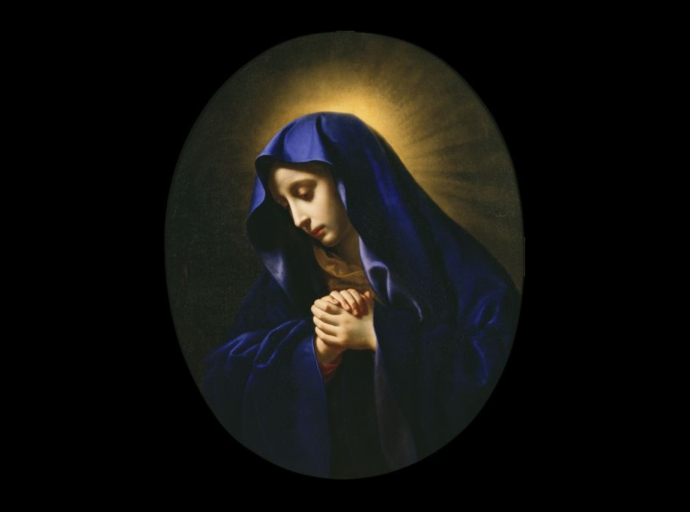
September 15: Our Lady of Sorrows

Sharing the Wounds of her Son

In the Middle Ages, Christians began to reflect more deeply on the suffering of Mary, the Mother of Jesus, especially at the time of the Passion. Mary was the only person who remained completely faithful to Christ, from his birth to the Cross.

September 15: Our Lady of Sorrows

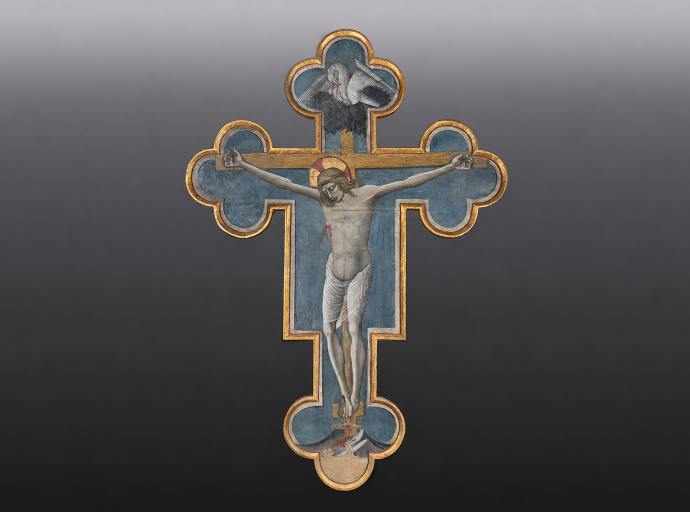
14 September: Exaltation of the Holy Cross

A Holy Sign of God’s Love

“We should glory in the cross of our Lord Jesus Christ, for he is our salvation, our life and our resurrection: through him we are saved and made free” (Gal 6:14), is the entrance antiphon for the Feast of the Exhaltation of the Holy Cross.

14 September: Exaltation of the Holy Cross

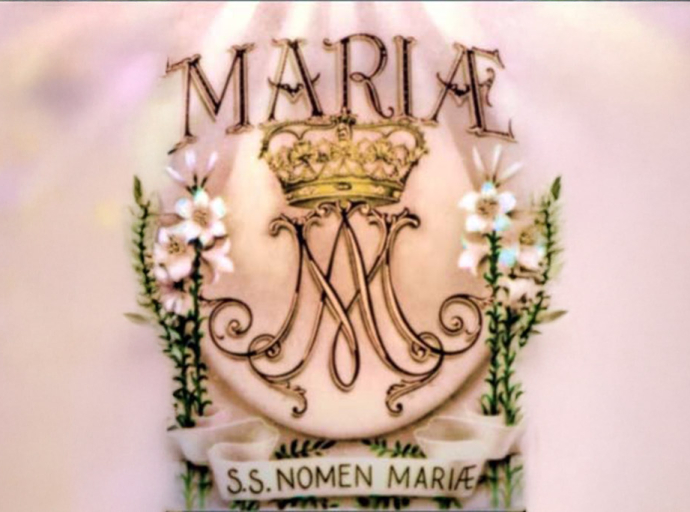
September 12: The Most Holy Name of the Blessed Virgin Mary

Like a Fragrance that Draws Us Closer to God

The memorial of the Most Holy Name of the Blessed Virgin Mary originated in Spain in the 16th century and was later extended to the entire Church by Pope Innocent XI in 1683. The Pope wanted to thank the Virgin for the victory over the Ottoman army during the siege of Vienna—thanks in part to the intervention of the King of Poland, Jan Sobieski. This victory was seen as a sign of Mary’s maternal protection over Christendom.

September 12: The Most Holy Name of the Blessed Virgin Mary

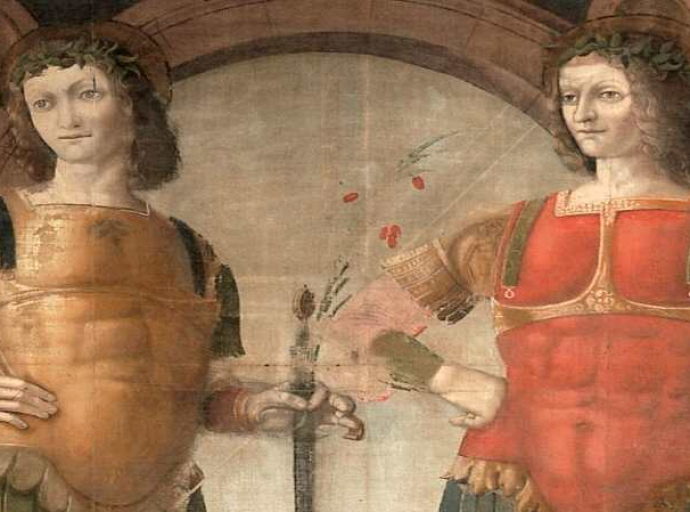
September 11: Saints Proto and Hyacinthus, Martyrs

Two Brothers United in Witness of Christ

Of these two martyrs, Saint Proto and Saint Hyacinthus, only their names, the place of their burial and the date of their death—September 11, the day on which the Church commemorates them—are known. However, according to ancient sources such as the Depositio Martyrum of Rome and the Gelasian and Gregorian Sacramentaries, their martyrdom is a historically certain event from antiquity as was their widespread veneration.

September 11: Saints Proto and Hyacinthus, Martyrs

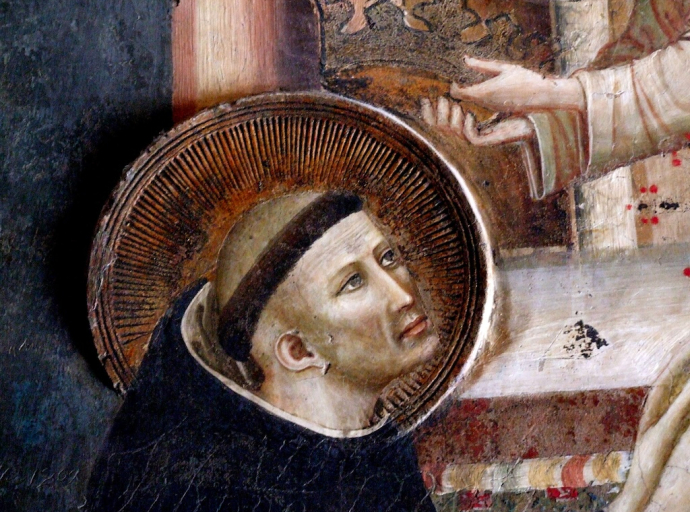
September 10: Saint Nicholas of Tolentino

Patron of the Souls in Purgatory

He dedicated his time to the sick, helped those in need, and supported even those who were spiritually weak. He prayed, fasted, celebrated Mass, and wept for the sinners who came to him for confession, pleading with God to free them from the slavery of sin.

September 10: Saint Nicholas of Tolentino

September 9: Saint Peter Claver

“Slave of the slaves”

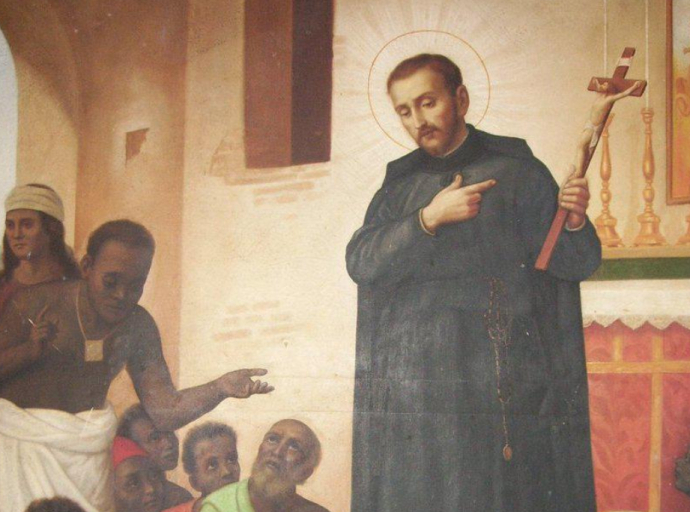
For 40 years, in the 17th century. he dedicated himself entirely to teaching, baptizing, and accompanying the enslaved people of Africa who arrived in South America. His devotion was so complete that he called himself the “slave of the slaves,” serving with humility and charity. He is Saint Peter Claver, who lived the Gospel to the fullest, at the service of those whom society at the time considered chattel, not even true human beings.

September 9: Saint Peter Claver