Archive

May 5: Saint Nunzio Sulprizio

A tragic and poor existence illuminated by the love of the One Crucified 

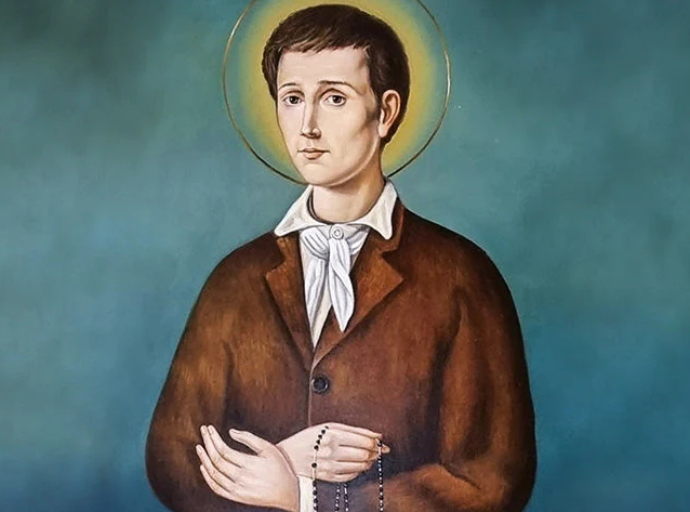
Everything that for the world is nothing but misfortune and failure can be found in this young man who died at only 19 years of age. Orphaned, poor, exploited at work, chronically ill, discriminated against, he found his fulfillment in following Christ Crucified. He is Nunzio Sulprizio, who discovered in the love of God the reason for his life. A sorrowful and unfortunate existence from a human point of view, but rich in sanctity and goodness.
May 5: Saint Nunzio Sulprizio

May 4: Saint Florian, Martyr

Witness of Christ

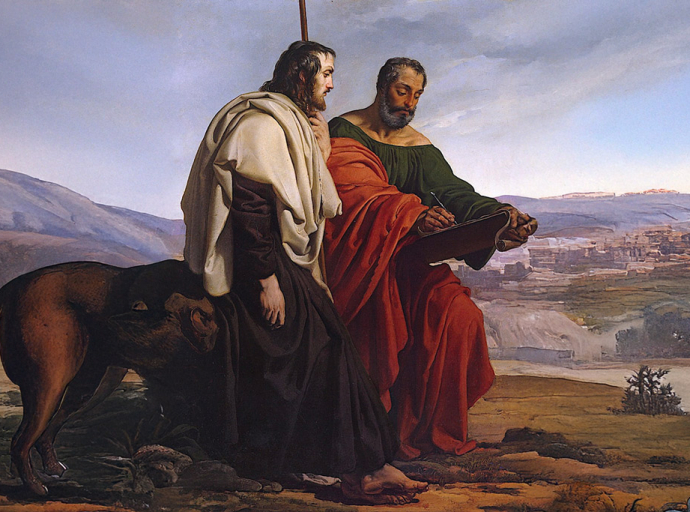
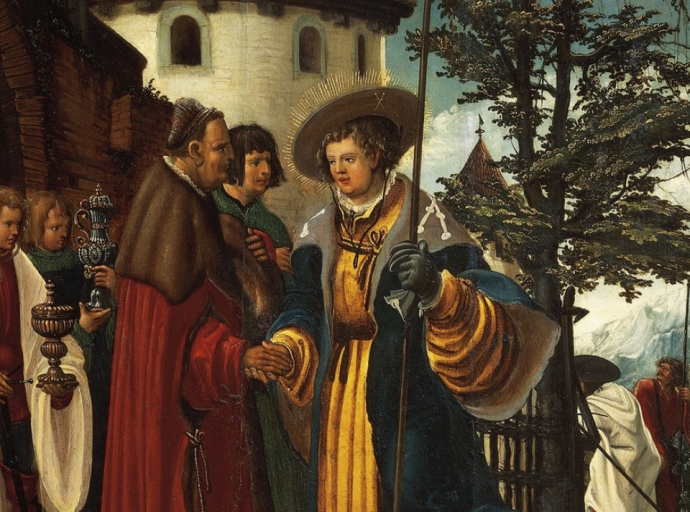
Tradition holds that Florian was born in the second half of the 3rd century in Zeiselmauer, near Vienna. He was baptized and raised as a Christian. After several years of service as an officer in the Roman army, he was appointed head of the chancellery of the imperial governor in Lauriacum, present-day Lorch near Enns in Upper Austria.

May 4: Saint Florian, Martyr

May 2: Saint Athanasius, Bishop and Doctor of the Church

Defender of the Nicene Creed

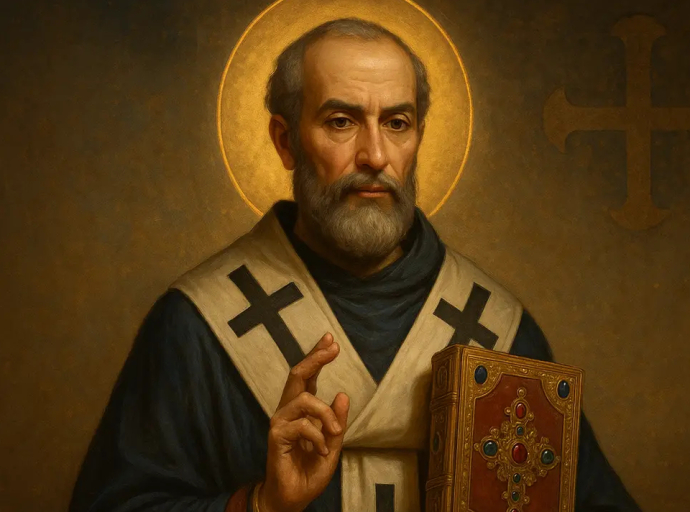
A lone bishop against all, including the Emperor, in the defense of the Niceo-Constantinopolitan Creed, commonly called the Nicene Creed, fearlessly risking exile, marginalization, or persecution. He is Saint Athanasius, a staunch defender of the orthodoxy of the faith in the face of Arian heresy.

May 2: Saint Athanasius, Bishop and Doctor of the Church

May 1: Saint Joseph the Worker

The humble carpenter of Nazareth 

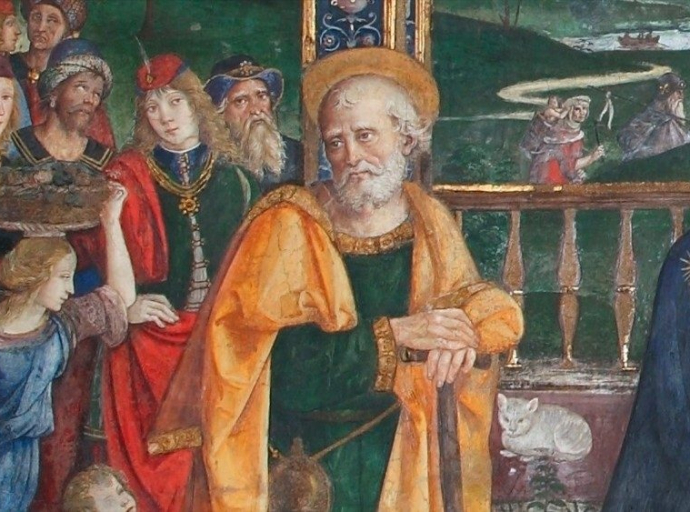
“An aspect of Saint Joseph that has been emphasized from the time of the first social Encyclical, Pope Leo XIII’s Rerum Novarum, is his relation to work. Saint Joseph was a carpenter who earned an honest living to provide for his family. From him, Jesus learned the value, the dignity and the joy of what it means to eat bread that is the fruit of one’s own labour.” So wrote Pope Francis in the Apostolic Letter Patris Corde, on the occasion of the 150th  anniversary of the declaration of Saint Joseph as Patron of the Universal Church.

May 1: Saint Joseph the Worker

April 30: Saint Pius V

The Pope, Reformation and the Rosary 

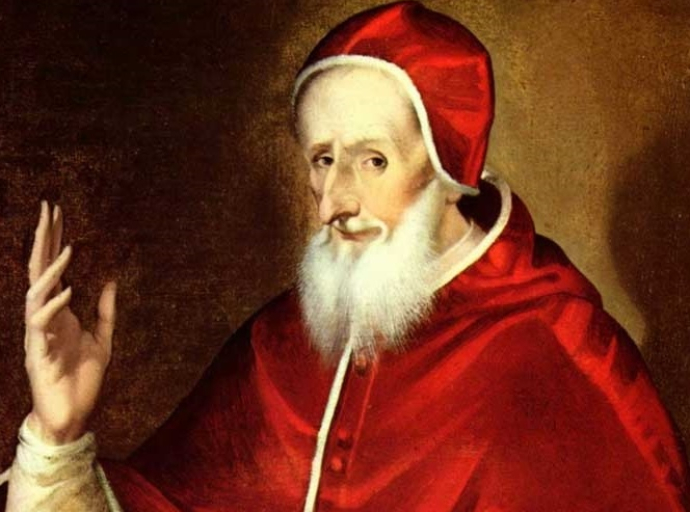
Elected in 1566, Pope Pius V, a Dominican friar and a great ascetic, is noted for leading the counter-reformation, establishing the Catechism and promulgating the Breviary and the Roman Missal which carry his name.

April 30: Saint Pius V

April 28: Saint Louis Marie Grignion de Montfort

Finding Jesus through Mary 

Embracing the fruits of Baptism he discovered the simplest, shortest and safest path to Jesus, that is, through devotion to the Virgin Mary. Thus Saint Louis Marie Grignion de Montfort proposed to the faithful the consecration to Jesus by the hand of Mary the Mother of God. He wrote in his famous Treatise on True Devotion: “It is through the Most Holy Virgin Mary that Jesus Christ came into the world, and it is also through her that he must reign in the world”.

April 28: Saint Louis Marie Grignion de Montfort

April 27: Saint Zita, Virgin

The patron saint of homemakers, domestic workers, and bakers

She was already regarded as a saint to the extent that Dante Alighieri mentioned her in his Divine Comedy shortly after her death. Zita is not only considered a saint by the poet in his own time, but is also identified with the city of Lucca. In fact, he refers to “one of the elders of Saint Zita!” in “Inferno”, Canto XXI. The “elders” were ten magistrates who governed Lucca, and Dante places one of them among those condemned to the punishment reserved to barrators.

April 27: Saint Zita, Virgin

April 26: Rafael Arnáiz Barón

“God Alone”

This was the motto of Rafael Arnáiz Barón: “God alone”. And also: “From the love of God comes everything.” He was a young man who placed the Lord first and made Him the reason for his short life.

April 26: Rafael Arnáiz Barón