Archive

27 March: Saint Rupert of Salzburg

The Apostle of Bavaria

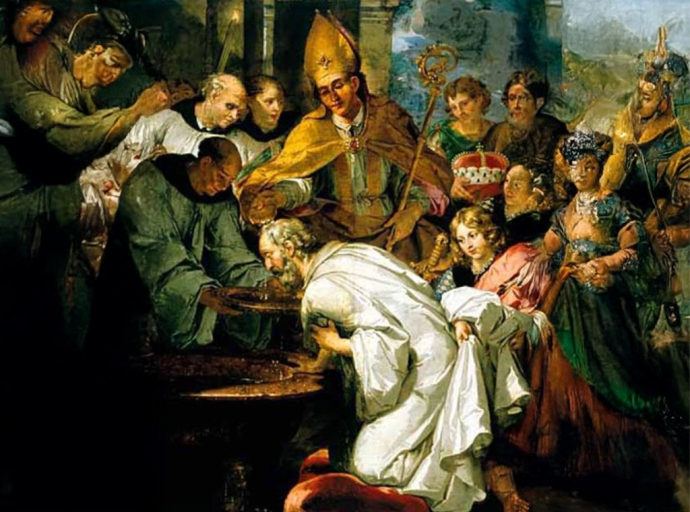
Rupert was part of the Frankish nobility and was related to the Merovingian royal family (perhaps to the Robertians). He served as the Bishop of Worms at the end of the 7th century. Duke Theodo II of Bavaria (+718) invited him to Bavaria and entrusted him with important ecclesiastical and political duties.
27 March: Saint Rupert of Salzburg

March 26: Saint Castulus, Martyr

In the Service of God and rejection of Power

There is not much information about Castulus (or Castolo). In the Martyrologium Hieronymianum, Castulus is commemorated on March 26 and together with another martyr on January 12.

March 26: Saint Castulus, Martyr

25 March: The Annunciation of the LordThe Annunciation of the Lord

God is welcomed on earth

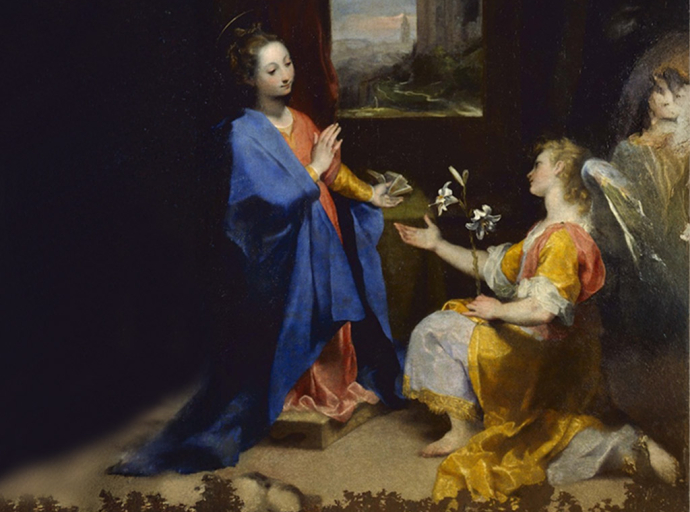
It is a familiar scene. God proposes and waits for a response. “Behold, I am the handmaid of the Lord; let it be to me according to your word.”. (Luke 1:26-38).

Mary becomes the Mother of God and of the Savior, and later as she stands at the foot of the Cross, the Mother of the Church. This feast is firstly the celebration of the Incarnation when God began his human life in Mary, a life that will carry this tiny embryo up to the Cross, the Resurrection and the glory of God.

25 March: The Annunciation of the LordThe Annunciation of the Lord

24 March: Saint Catherine of Sweden

In the footsteps of Saint Bridget

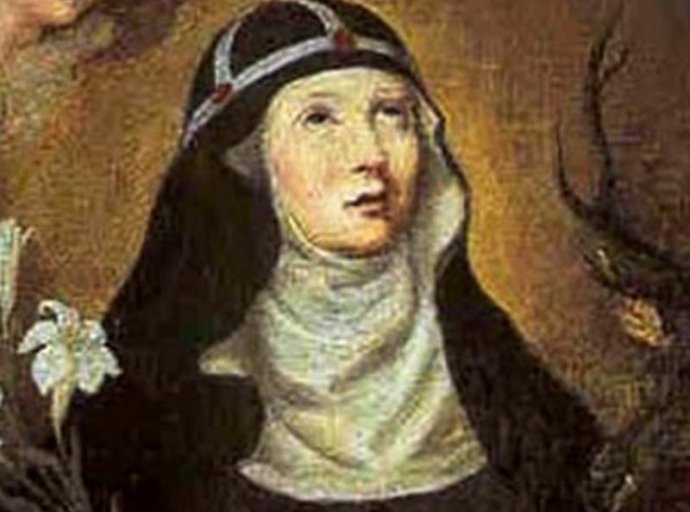
Catherine of Sweden was a member of the royal family of Sweden through her mother, Saint Bridget, and her father, Ulf Gudmarson. Born around 1331, she was entrusted to the care of Cistercian nuns in Riseberg from a very young age.

24 March: Saint Catherine of Sweden

23 March: Turibius of Mogrovejo, Archbishop of Lima

Defender of the Indigenous Peoples

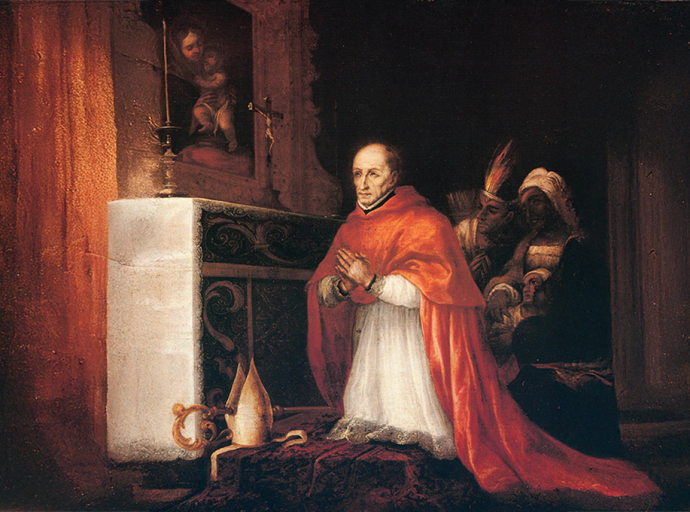
He was still a layman when he was appointed Archbishop of Lima, and at the time he was already a renowned jurist. Originally from Spain, his life was radically changed when he set out for the New World. His name was Turibius, a member of the noble Spanish Mogrovejo family.

23 March: Turibius of Mogrovejo, Archbishop of Lima

22 March: Blessed Clemens August von Galen, Cardinal

“The Lion of Münster”

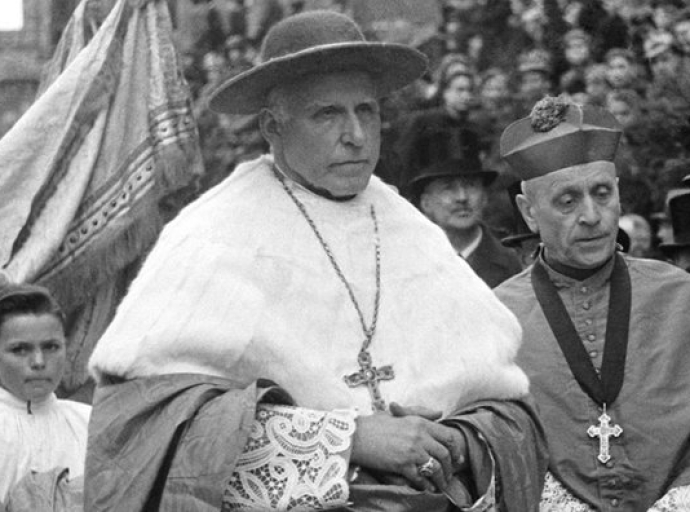
Because of his courage during the Nazi dictatorship in Germany, he was called “the Lion of Münster.” He never tired of denouncing the abuses of the State and of defending the right to life, firmly condemning the Nazi theory of killing “unproductive and worthless lives.”

22 March: Blessed Clemens August von Galen, Cardinal

21 March: Saint Nicholas of Flüe, Patron Saint of Switzerland and the Pontifical Swiss Guard

A hermit, worker of peace and reconciliation

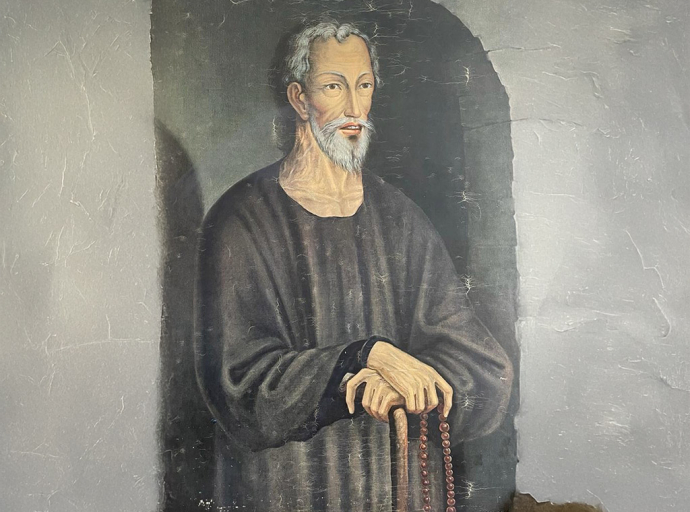
Nicholas was a hermit, who mediated and advised his fellow citizens and reconciled opposing hearts. Although he lived far away from the world in the solitude of a cell nourished by the Eucharist alone, he was able to prevent the onset of war between brothers, using the Rosary he always carried with him as his only weapon. Known as Bruder Klaus and Saint Nicholas of Flüe, he was born in 1417 in the small village of Flüeli, Obwalden, which was part of the Confederation of eight Cantons of central Switzerland. His family earned a living from agriculture.

21 March: Saint Nicholas of Flüe, Patron Saint of Switzerland and the Pontifical Swiss Guard

20 March: Saint John Nepomucene, Martyr

Symbol of fidelity to the truth and to the freedom of the Church

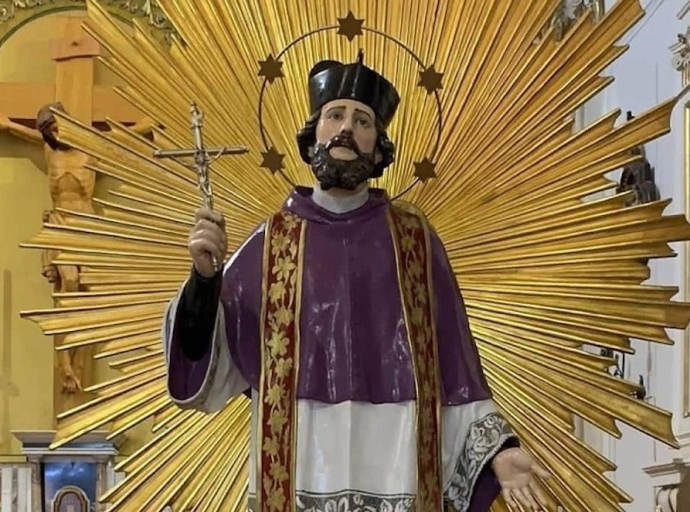
John Nepomucene was born in 1330 (or 1345, depending on the sources) in Nepomuk, currently part of the Czech Republic. He stood out for his intelligence from a young age and graduated in Canon Law from the University of Padua in 1387, but never had any personal ambitions of an ecclesiastical career, preferring instead to humbly dedicate himself to his vocation. He served in different roles, including as parish priest and canon of St. Vitus Cathedral in Prague, for which he received no financial benefit.

20 March: Saint John Nepomucene, Martyr

19 March: Saint Joseph, Spouse of the Blessed Virgin Mary and Patron Saint of the Universal Church

A righteous man and the protector of the Holy Family

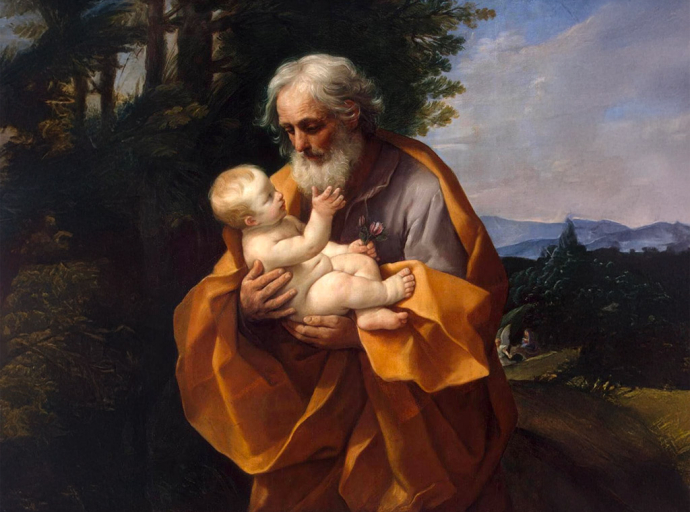
Saint Joseph, adoptive father of Jesus and husband of Mary, is a key figure in Christian tradition, both because of his role in the economy of salvation and because he was a model of virtue. Joseph is not mentioned in detail in the Bible. The Gospels of Matthew and Luke are the ones which reveal the most about him.

19 March: Saint Joseph, Spouse of the Blessed Virgin Mary and Patron Saint of the Universal Church