Archive

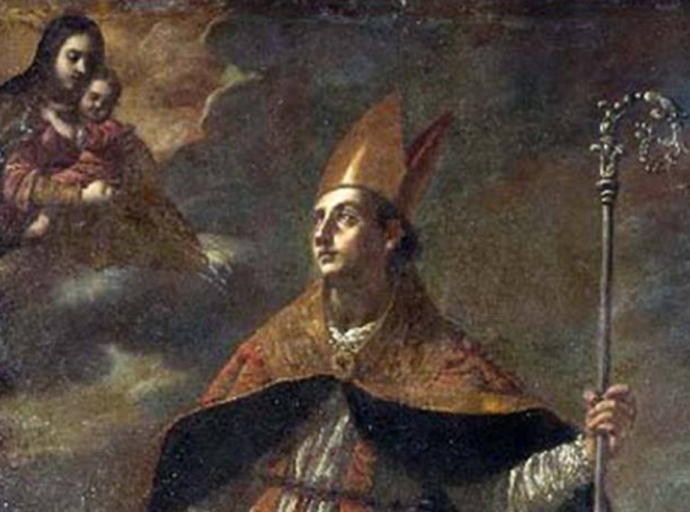
January 14: Saint Felix of Nola, priest

Unfettered devotion to charity

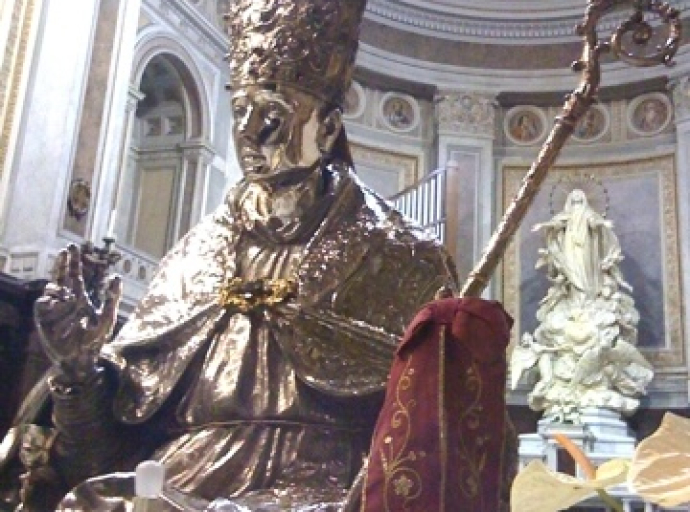
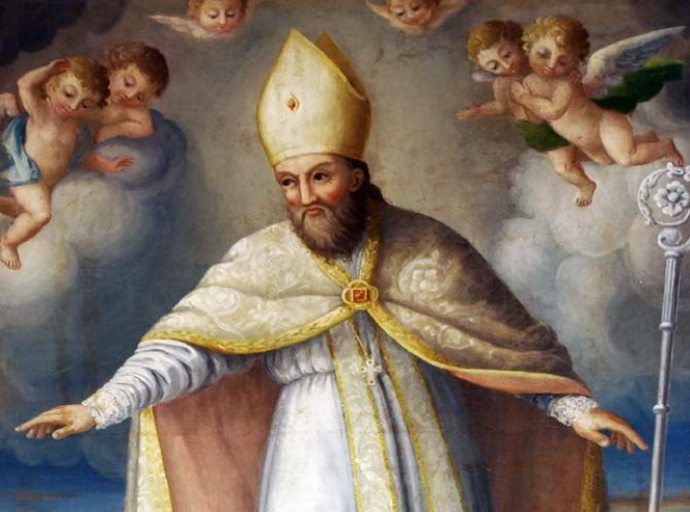
An example of fidelity, humility, and Christian witness lived to its utmost consequences, yet without the martyrdom of blood. The figure of Felix of Nola is known to us almost exclusively through the poetic compositions of Saint Paulinus of Nola, who between the late 4th and early 5th centuries committed to writing oral traditions still alive in the Nola region. These poems represent the earliest historical testimony to the life of the saint, whose memory has remained deeply rooted in the Christianity of southern Italy.
January 14: Saint Felix of Nola, priest

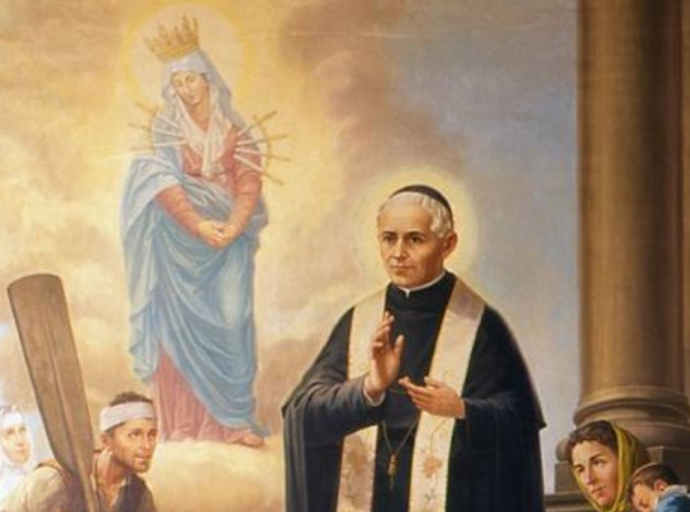
12 January: Saint Anthony Maria Pucci, of the Order of Servants of Mary

The little Curatino, who gave himself entirely for his parishioners

He never hesitated when faced with people in need, giving everything to everyone in charity, even going so far as to give away his own clothes to help the poor. He challenged the hostility of some anticlerical citizens, for which he was even beaten with clubs on one occasion, as he walked through Viareggio’s streets, distributing food.

12 January: Saint Anthony Maria Pucci, of the Order of Servants of Mary

January 11: Saint Paulinus of Aquileia, Bishop

Zealous Shepherd of his Flock

Paulinus of Aquileia was born in the territory of the Lombard Duchy of Friuli, at Premariacco, near Cividale. We possess no certain information about his childhood and youth, but it is plausible that he received a thorough education, both in secular disciplines and in theological studies, perhaps within the local episcopal environment, where his priestly vocation also matured.

January 11: Saint Paulinus of Aquileia, Bishop

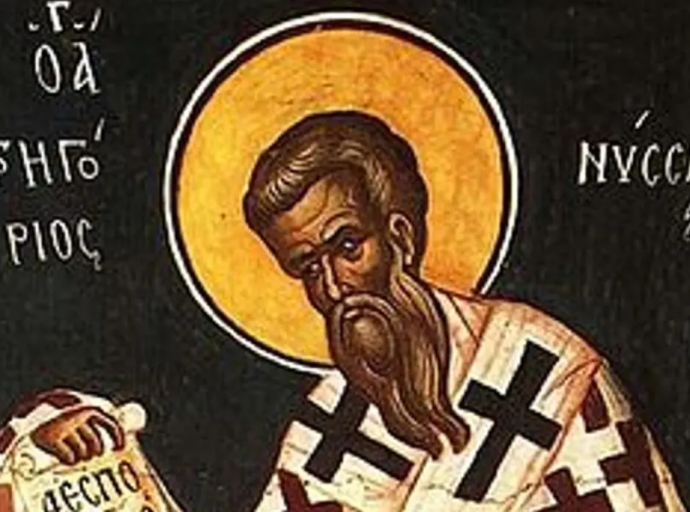
January 10: Saint Gregory of Nyssa, Father of the Church

One of the Great Cappadocian Fathers

Gregory of Nyssa, a leading figure of fourth-century Christianity, was born in Cappadocia between 335 and 340 into an extraordinarily rich family of religious personalities. The younger brother of Basil of Caesarea, he was above all deeply influenced in his spiritual formation by his elder sister Macrina.

January 10: Saint Gregory of Nyssa, Father of the Church

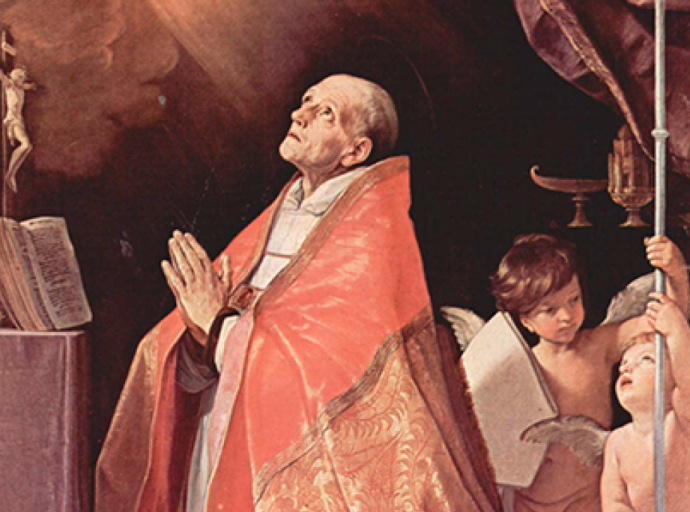
9 January: Saint Andrew Corsini, Bishop

A peacemaker in the midst of conflicts

As a mediator and peacemaker in disputes between warring towns, Saint Andrew Corsini, a Carmelite religious and Bishop of Fiesole, was imprisoned for his zeal.

Saint Andrew was born into an aristocratic Florentine family in Florence on 30 November 1301, and had a carefree adolescence. He entered the Carmine convent when he was 15 years old, distinguishing himself for his charity towards the poor and those in need. After he was ordained a priest, he was sent to the University of Paris to complete his studies.

9 January: Saint Andrew Corsini, Bishop

January 8: Saint Severinus, Abbot

The Apostle of Noricum

Saint Severinus of Noricum, born around 410, is a central figure Christianity of  Late Antiquity. Recognized as a saint by both the Roman Catholic and the Orthodox Churches, he devoted his life to the evangelization of the Roman province of Noricum, in present-day Austria, where he founded numerous monastic communities. The area he frequented most was the Danubian plain, between Carnuntum and the region of Passavia, today’s Passau.

January 8: Saint Severinus, Abbot

7 January: Saint Raymond of Peñafort

A jurist at the service of evangelization

Raymond of Peñafort cofounded the Order of the Mercedarians, served as Master General of the Dominicans, and above all, was a renowned expert in canon law. Born between 1175 and 1185 in Villafranca del Panadés, Raymond studied at the Cathedral of Barcelona, where he later taught rhetoric and logic.

7 January: Saint Raymond of Peñafort

January 6: The Epiphany of the Lord

A light to enlighten the nations

The solemnity of the Epiphany is one of the oldest celebrations in Christianity. As early as the first centuries of the Church, it was experienced as the moment when Christ makes himself visible to the world. If Christmas is traditionally associated with the joy of the Lord’s birth, awaited and prepared for during the season of Advent, the Epiphany also expresses this same joy, broadening its meaning.

January 6: The Epiphany of the Lord