Archive

July 14: Saint Camillus de Lellis

In the Service of Christ through the Sick

At a time when the sick were still cared for by convicts or untrained mercenaries, Camillus de Lellis radically transformed the approach to caregiving. No longer was it to be seen as a punishment to be endured or a mere means of making money—it became an act of love and compassion toward those who suffer, recognizing in the sick the reflection of Christ’s face, to be served and loved.

July 14: Saint Camillus de Lellis

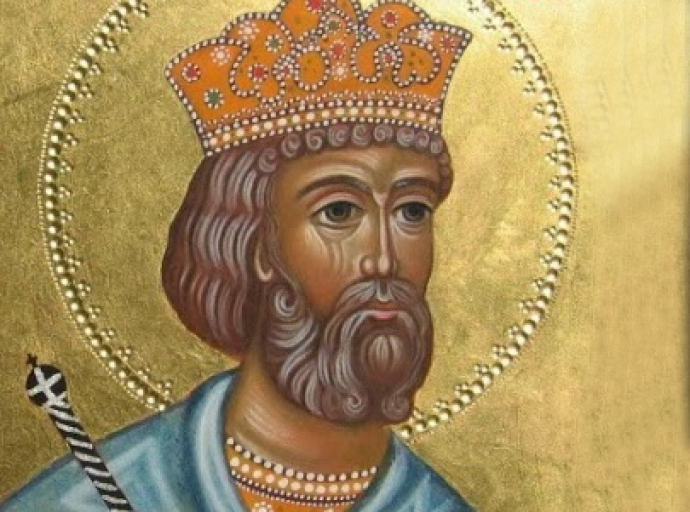
July 13: Saint Henry, Emperor

A Model of Justice in Leadership

Saint Henry, Emperor of the Holy Roman Empire, stands as a shining example of righteousness and justice in governance. In a challenging era for Europe, he managed to live out the principles of the Gospel while exercising temporal power.

July 13: Saint Henry, Emperor

July 12: Saint John Gualbert

The Saint of Forgiveness

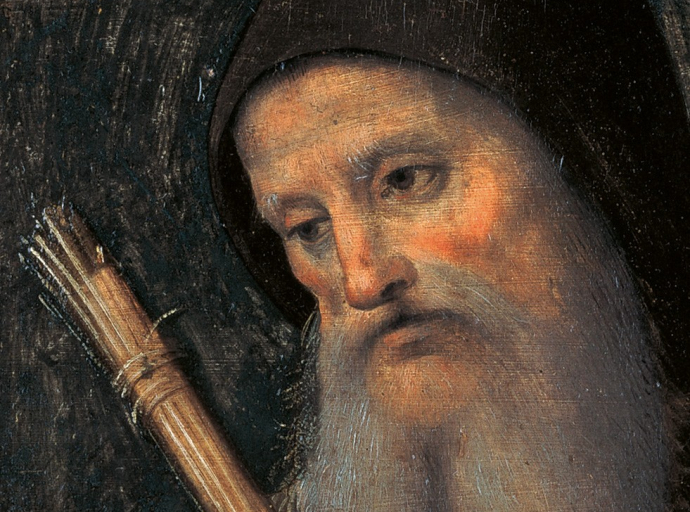
He found the strength to forgive his brother’s murderer, even though this act caused serious conflict within his family. His father, in particular, never accepted this position. It was precisely for this reason that John Gualbert decided to enter the Benedictine monastery of San Miniato in Florence.

July 12: Saint John Gualbert

July 11: Saint Benedict of Nursia, Patron of Europe

A Spiritual Father for Countless Men and Women

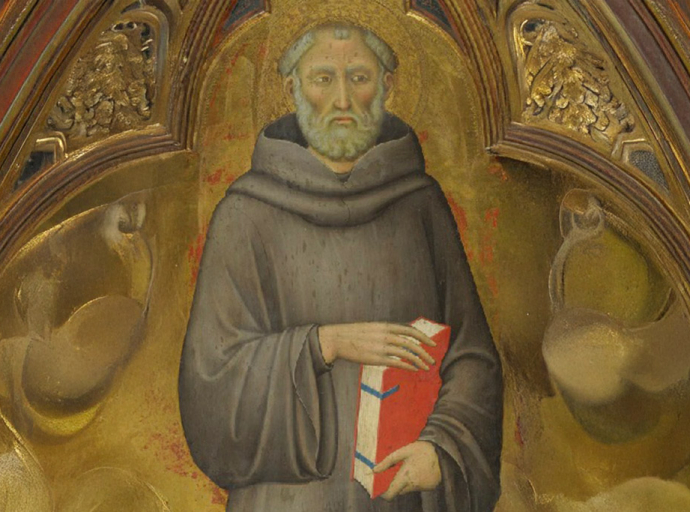
He is the father of a countless multitude of contemplative men and women who found in his Rule a source of life and inspiration. There is no doubt that the influence of Saint Benedict of Nursia spans the centuries and remains relevant even today.

July 11: Saint Benedict of Nursia, Patron of Europe

July 10: Saints Rufina and Secunda, Martyrs

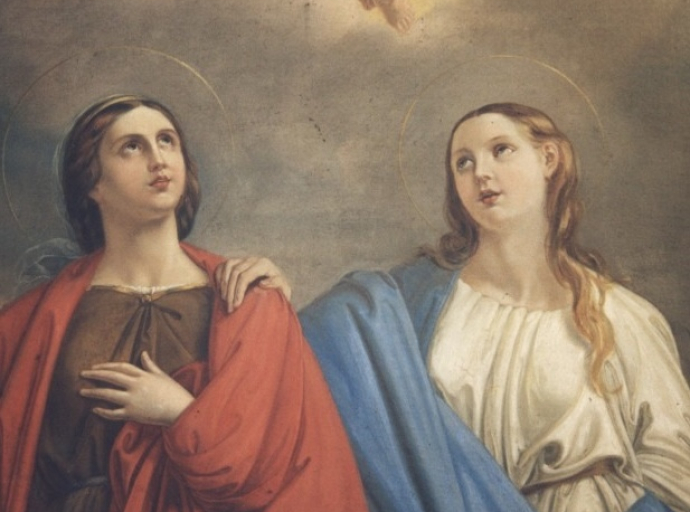
Saints Rufina and Secunda were two Christian martyrs born in Rome, whose lives and martyrdom are documented by numerous authoritative sources, including the Martyrologium Hieronymianum, various Roman pilgrim itineraries, the Notitia Ecclesiarum by William of Malmesbury, and above all, the Roman Martyrology, which commemorates them on July 10. They were martyred near Rome in a place called sylva nigra (“dark forest”) around the year 260.

July 10: Saints Rufina and Secunda, Martyrs

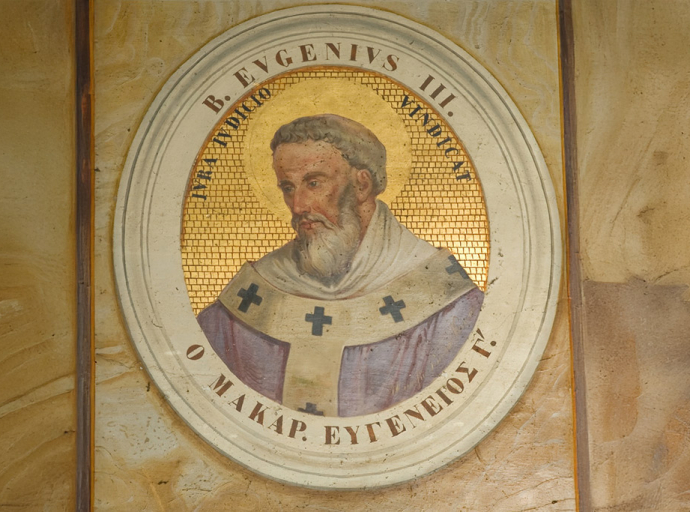
July 8: Blessed Eugene III, Pope

Disciple of Saint Bernard

“As soon as Peter recognized the Lord, he threw himself into the water and reached Him, while the others arrived by boat. [This event…] is a sign of Peter’s unique authority as Pontiff […]. [Peter] was given governance over the whole world, not just a single boat like the other Apostles.

July 8: Blessed Eugene III, Pope

July 7: Saint Willibald, Bishop

He was first a Benedictine monk and later was sent by Pope Gregory III to assist Saint Boniface in the work of evangelizing Bavaria.

This was Willibald, the firstborn son of a landowner from southern England. Born on October 22, 700, in Wessex, he spent a year at the monastery of Waltham. Around 720, he accompanied his father and his brother Wunibald on a pilgrimage to Rome, and from there he traveled to Jerusalem, where he remained for three years.

July 7: Saint Willibald, Bishop

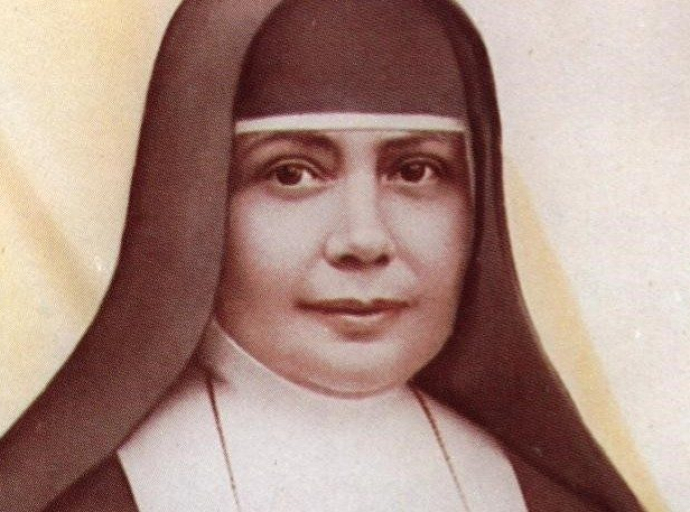
July 6: Saint Nazaria Ignazia of Saint Teresa of Jesus

Charity and human development for the poor and the vulnerable

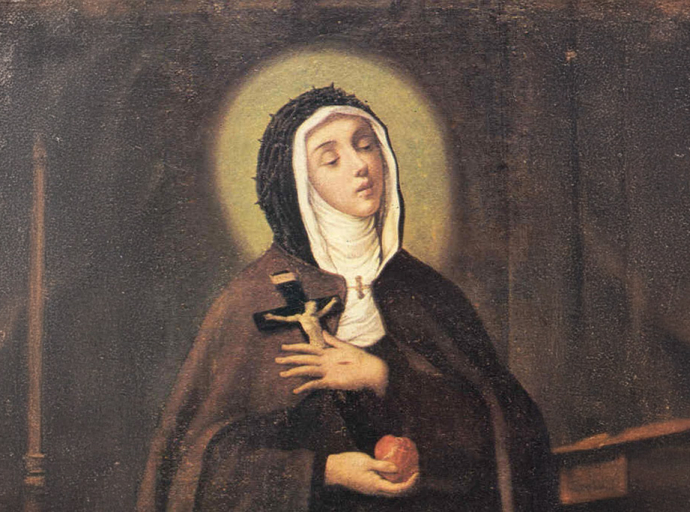
NNazaria Ignazia March Mesa was born in Madrid on January 10, 1889, into a large family: eighteen children were born to her parents, of whom only ten survived. At the age of nine, while preparing for her First Holy Communion, she felt the Lord’s call: “You, Nazaria, follow me,” and she replied: “I will follow you, Lord, as closely as it is possible for a human creature to do.” On August 15, 1900, she made a vow of virginity.

July 6: Saint Nazaria Ignazia of Saint Teresa of Jesus

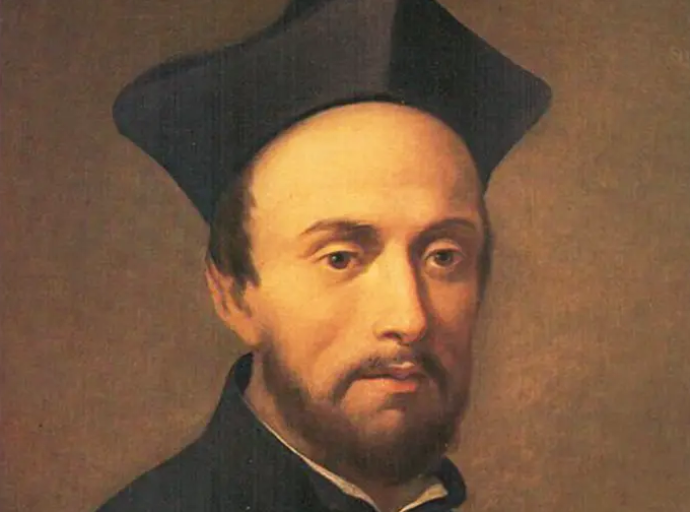
July 5: Saint Anthony Maria Zaccaria

Founder of the Barnabites

“It is truly the mark of great hearts to serve others without expecting anything in return” so often said Saint Anthony Zaccaria.

He was born into a noble family in Cremona, Italy in 1502. Left fatherless at an early age, he was lovingly raised by his mother, who was herself still very young.

July 5: Saint Anthony Maria Zaccaria