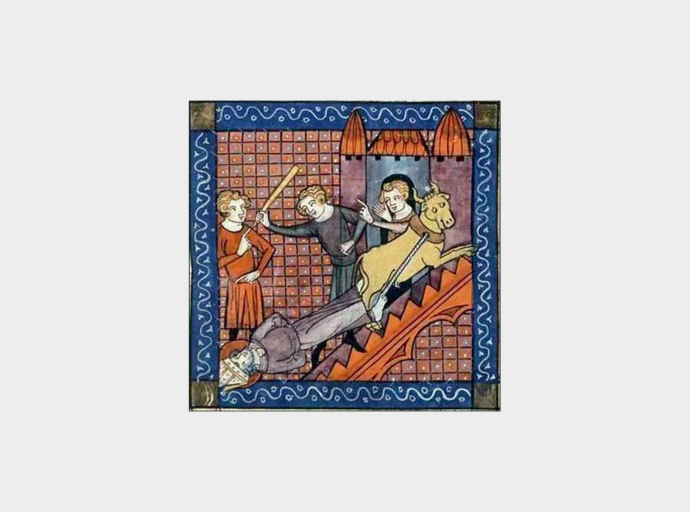
The main information about the life of Saturninus comes from the Passio Saturnini, an anonymous text written around the mid-5th century—therefore composed roughly two hundred years after his martyrdom. According to this account, Saturninus arrived from Africa and reached Toulouse around the year 250, during the consulate of Decius and Gratus, where he was chosen as leader of the local Christian community.
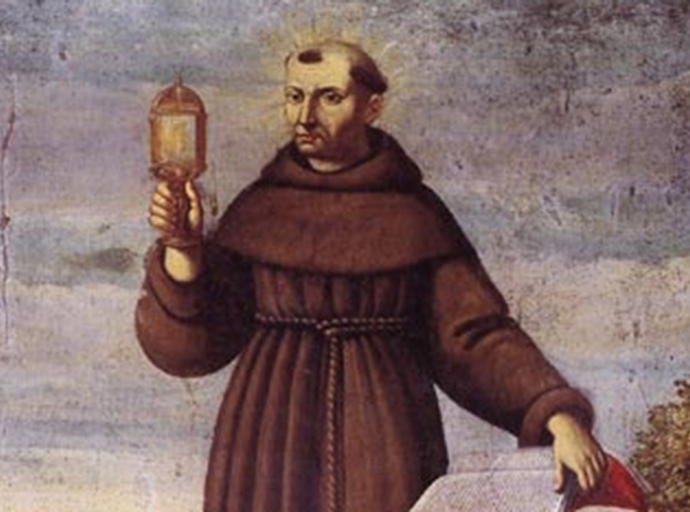
Saint James of the Marches, born Domenico Gangale on September 1, 1393, in Monteprandone in the Ascoli region of Italy, spent his youth devoted to study. He first attended school in Ascoli Piceno, then the University of Perugia, where he earned degrees in both civil and canon law.
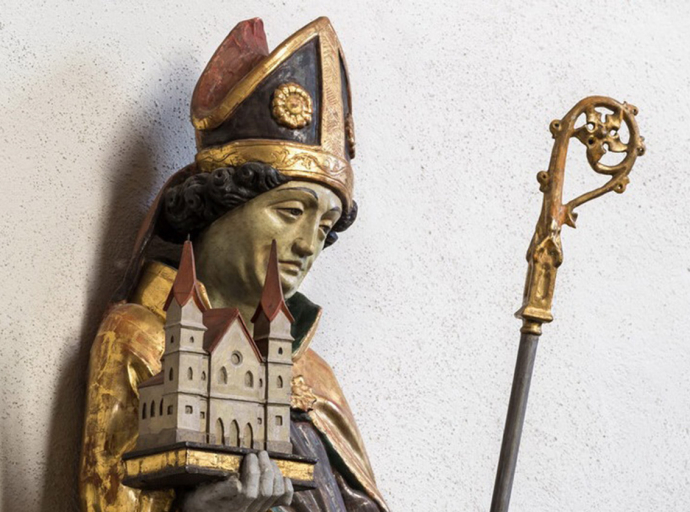
Virgil, born in Ireland in the 8th century, belonged to the tradition of itinerant monks who left their homeland to undertake long religious pilgrimages. Setting out around 743 with the intention of reaching Palestine, he interrupted his journey.
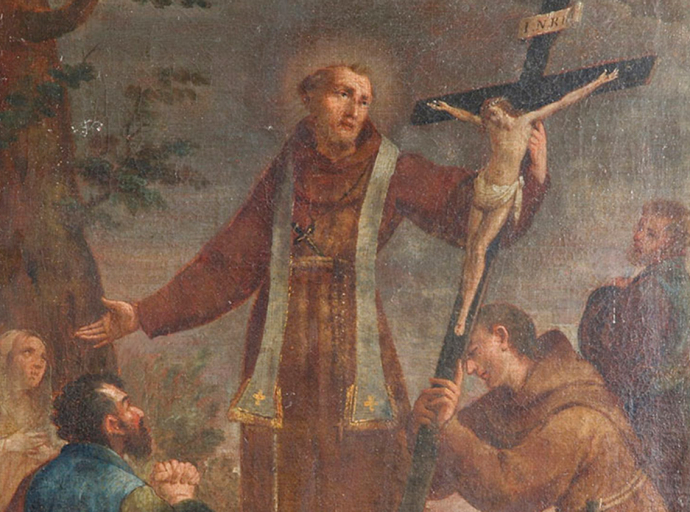
Paolo Girolamo Casanova, better known as Saint Leonard of Porto Maurizio, was born in Porto Maurizio—today’s Imperia—on 20 December 1676. At a very young age he moved to Rome to complete his studies at the Roman College and, fascinated by the austere life of two friars at the Retreat of San Bonaventura on the Palatine Hill, decided to enter the Order of Friars Minor at the age of twenty-one, taking the Franciscan habit in the convent of Santa Maria in Ponticelli.
Witnesses of Christ unto the sacrifice of their lives
Beginning in the early decades of the sixteenth century, the proclamation of the Gospel reached the regions of present-day Vietnam, and in 1659 the Holy See gave stable form to missionary activity by entrusting two vast areas to the Apostolic Vicariates of the North (Đàng Ngoài) and the South (Đàng Trong). Despite difficulties and hostility, that work eventually produced a remarkable growth of the Christian community.
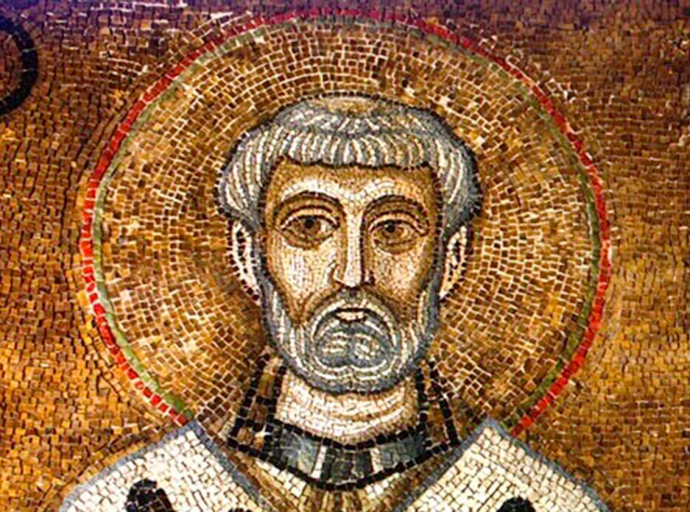
The figure of Clement, a pontiff who lived between the end of the 1st and the beginning of the 2nd century, remains shrouded in considerable historical silence. The ancient episcopal lists place him at the head of the Christian community of Rome immediately after the first direct successors of the Apostle Peter.
A text of particular importance is attributed to him: a long exhortation addressed to the community of Corinth toward the end of the 1st century. In that letter—written not in a personal capacity but as the official voice of the Church of Rome—Clement intervened to mend a serious internal rift that had arisen among the Christians of that city. For many generations, the document was considered so authoritative that even centuries later it was read in the liturgical assemblies of Corinth alongside the Gospel readings.
Tradition remembers him as a martyr. Beginning in the 4th century, accounts circulated stating that under the emperor Trajan, Clement had been exiled to Crimea and forced into hard labor in the mines. There he is said to have carried out intense apostolic activity among soldiers and convicts, obtaining numerous conversions. To put an end to his influence, he was reportedly drowned in the Black Sea, tied to an anchor.
In the Roman basilica dedicated to him, the main altar rises above the confessio of a martyr: an urn placed at the heart of the sanctuary contains relics attributed to Clement and to Saint Ignatius of Antioch, venerated as a tangible reminder of the faith of the early Church.
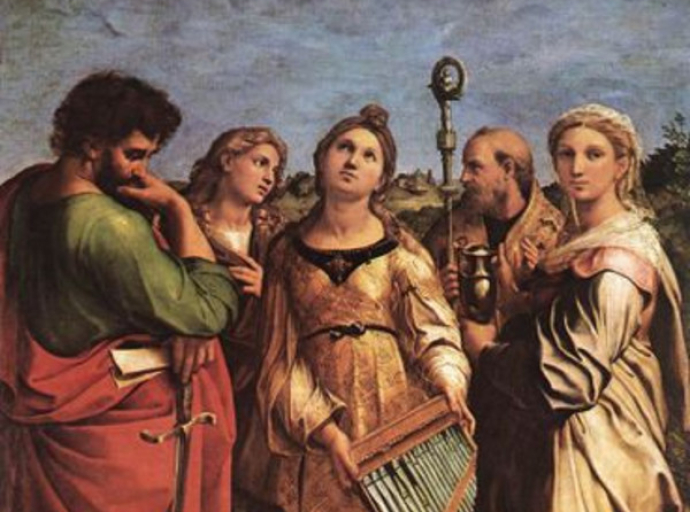
Saint Cecilia, Patron Saint of music and musicians, luthiers and other musical instrument makers, was born to a noble Roman family at the beginning of the third century.
The new Temple, more glorious than the one of stone
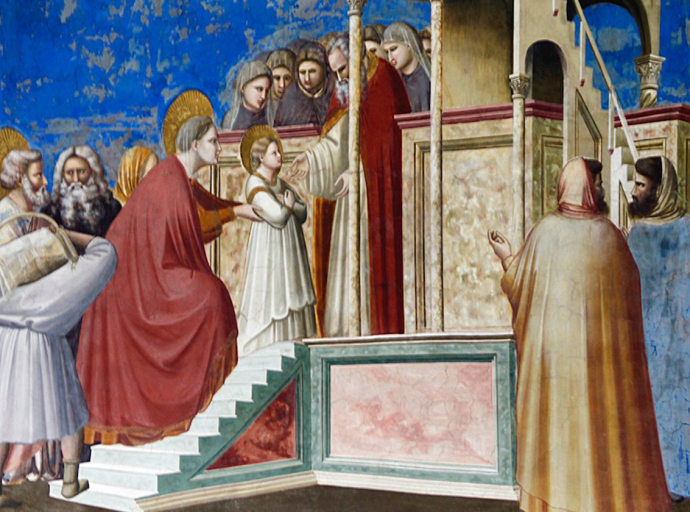
The liturgical memorial of 21 November, dedicated to the Presentation of the Blessed Virgin Mary, has its roots not in the canonical texts but in ancient Christian traditions preserved in the apocryphal Gospels. In those pages, the early communities looked to Mary, contemplating her as she grew in familiarity with God, so that the Church too might learn from her how to prepare for the coming of the Lord.
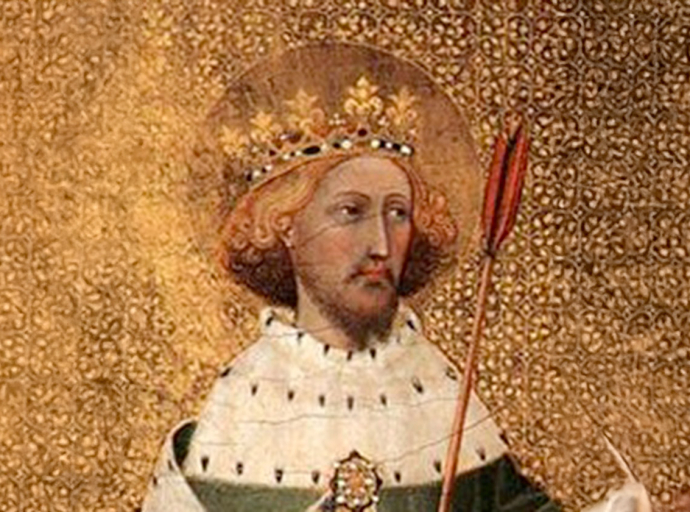
Saint Edmund holds a special place in Christian memory as a courageous sovereign and an unshakeable witness to the faith. His story unfolds in the 9th century, when still very young, he became ruler over East Anglia, an English region shaken by the tensions and violence brought by Norse incursions.