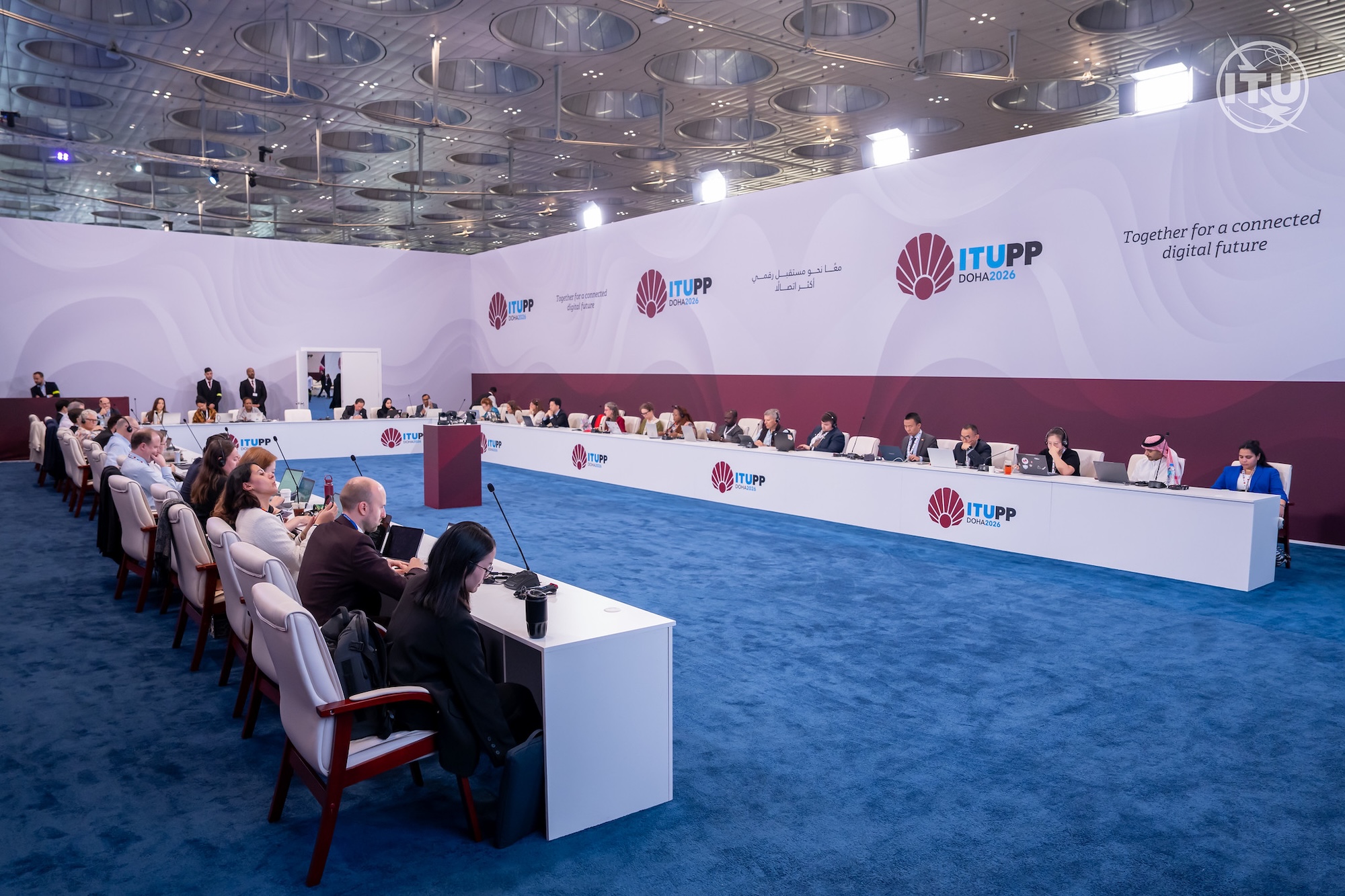


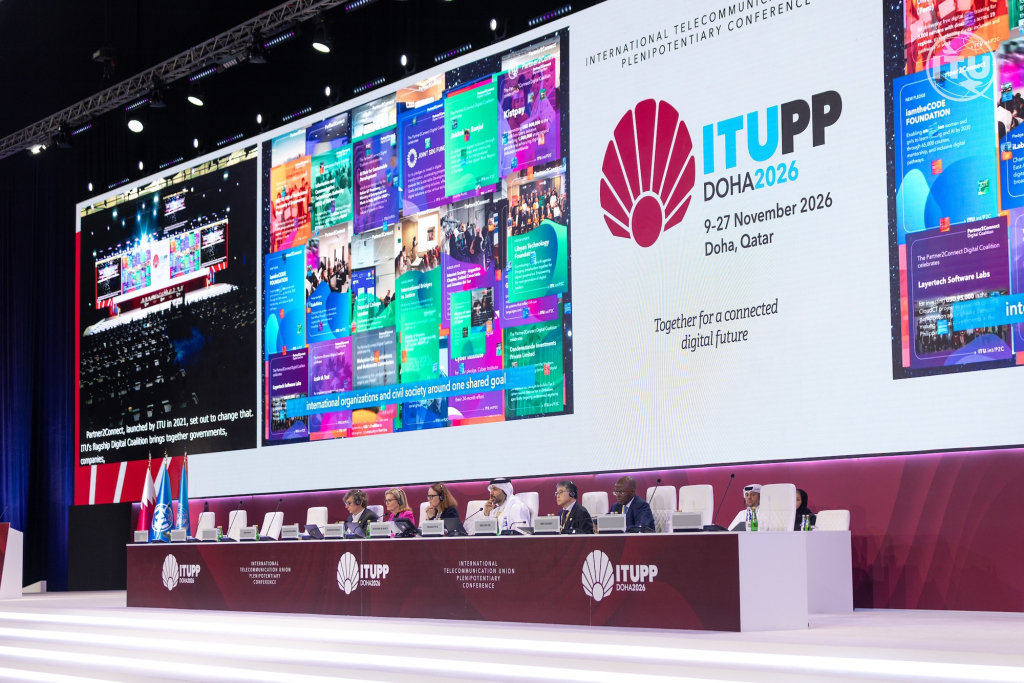
The Vatican Delegation continues to follow the ongoing proceedings of the International Telecommunication Union (ITU) in Doha, the capital city of Qatar. At the heart of the Plenipotentiary Conference (PP-26), the work of the Working Group of the Plenary (WG-PL) is shaping the ITU’s strategic framework for the next four years. The sessions are emerging as a dynamic forum for diplomatic engagement, with the aim of bringing diverse national perspectives together into a common strategy for the good of humanity.
One of the most widely debated topics is Artificial Intelligence (AI). A clear consensus has emerged on the need to update existing frameworks to reflect the rapid technological advances made since 2022. Although discussions are lively, ranging from capacity-building in developing countries to more theoretical considerations exploring alternative definitions, the approach remains constructive. To reconcile these different positions, an Ad Hoc Group chaired by South Africa has been established, tasked with building a consensus that combines technological innovation with equitable governance.
Another fundamental pillar is the creation of a safe and trustworthy digital ecosystem. The Conference has recognized that online child protection, combating identity spoofing and network security are not isolated issues, but interconnected elements of a broader framework of “digital trust”. With this in mind, all related proposals have been entrusted to a single Ad Hoc Group led by Brazil. Among the most significant initiatives is Georgia’s proposal to host a Global Conference on Child Online Protection in 2027, reflecting the international community’s determination to move from words to action in safeguarding the most vulnerable generations.
Despite their complexity, these proceedings reaffirm the ITU’s leadership as the only global forum capable of bringing stakeholders with opposing views to the negotiating table to find common ground. The path towards the final resolutions has been charted: a process marked by diplomatic mediation and professionalism, with the overarching aim of ensuring that digital transformation is, first and foremost, an opportunity for all.