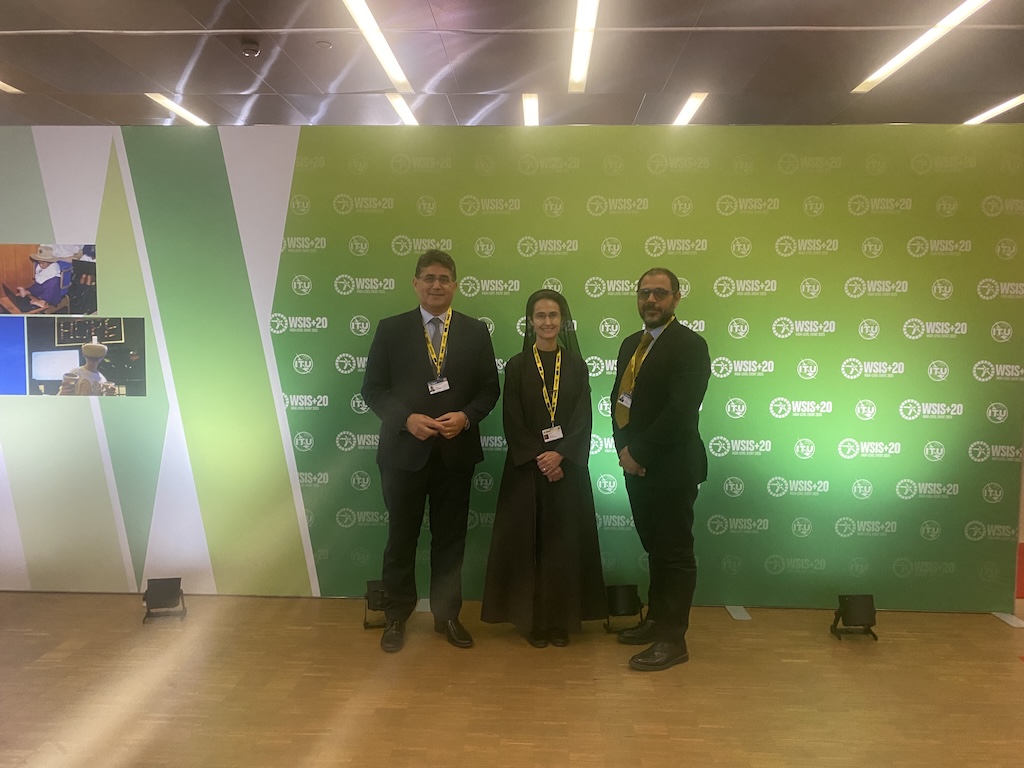


The President of the Governorate at the Ministerial Roundtable of the WSIS+20 High-Level Event 2025
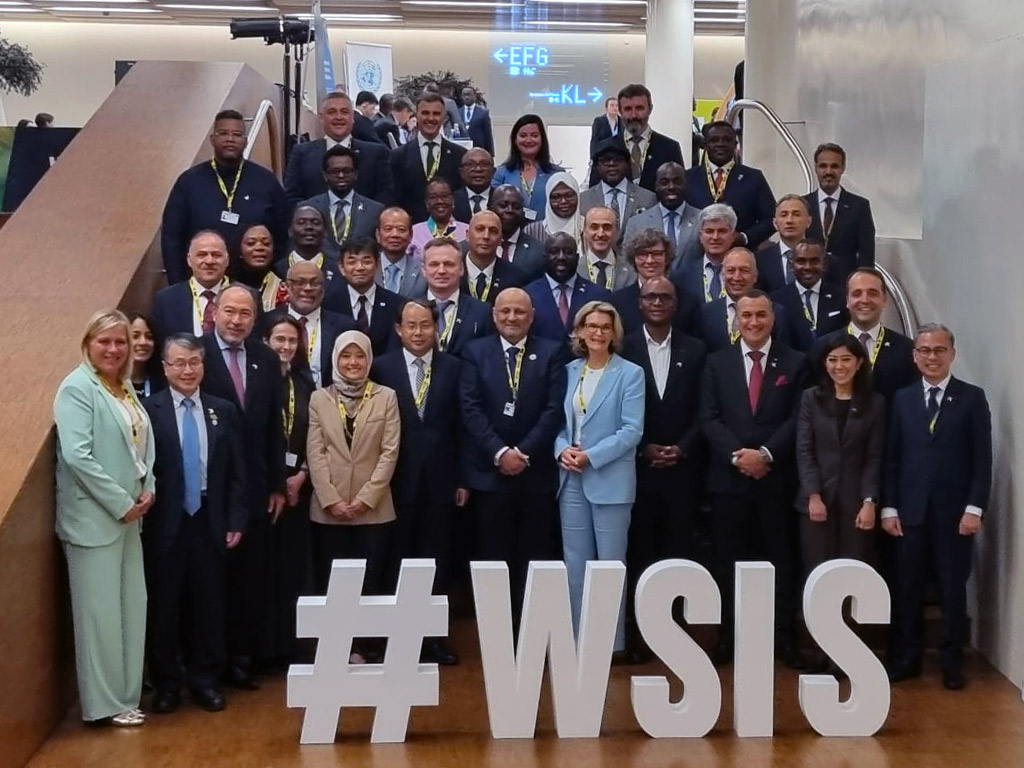

A collective reflection is necessary on the social and ethical aspects of AI tools.
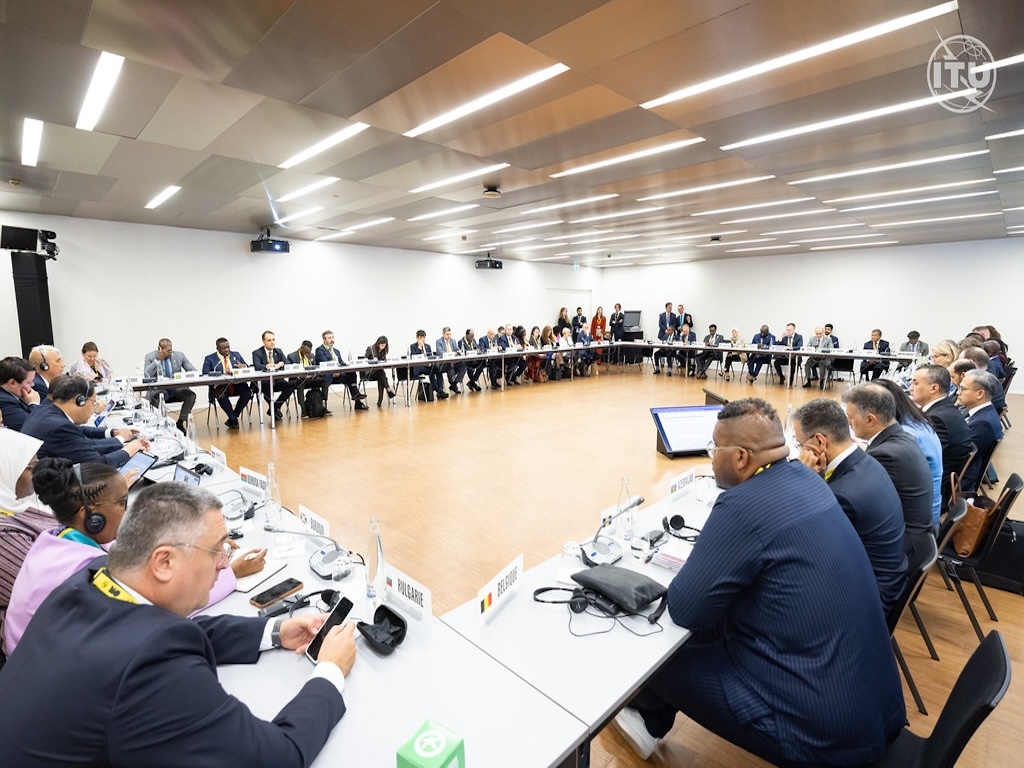
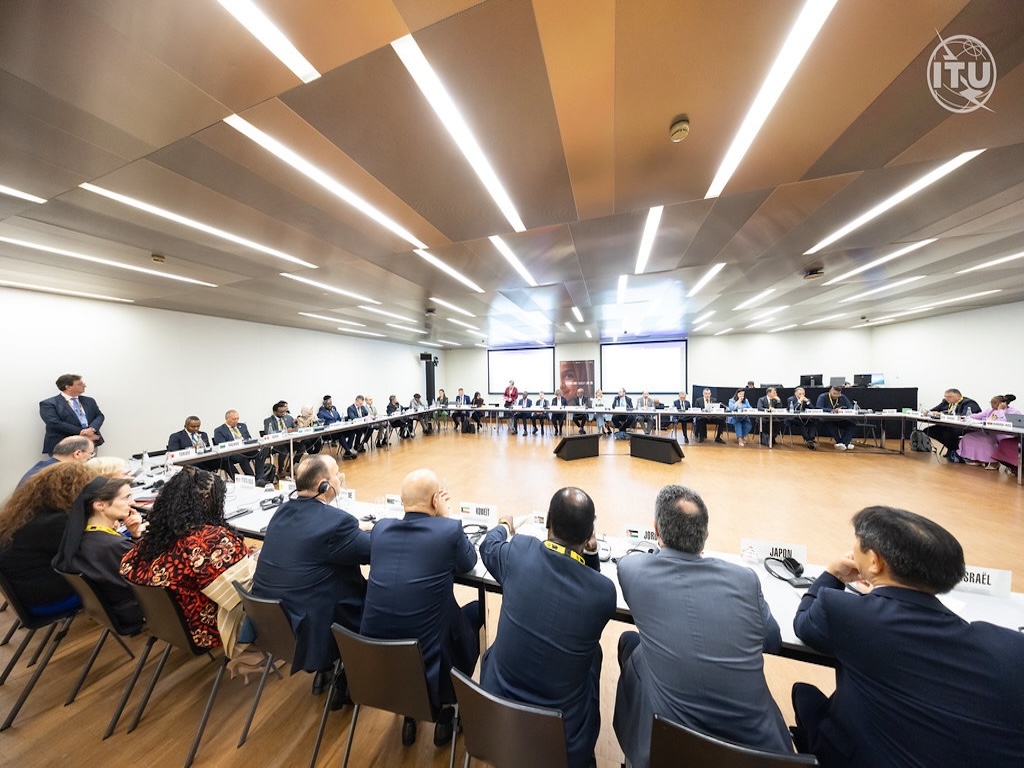
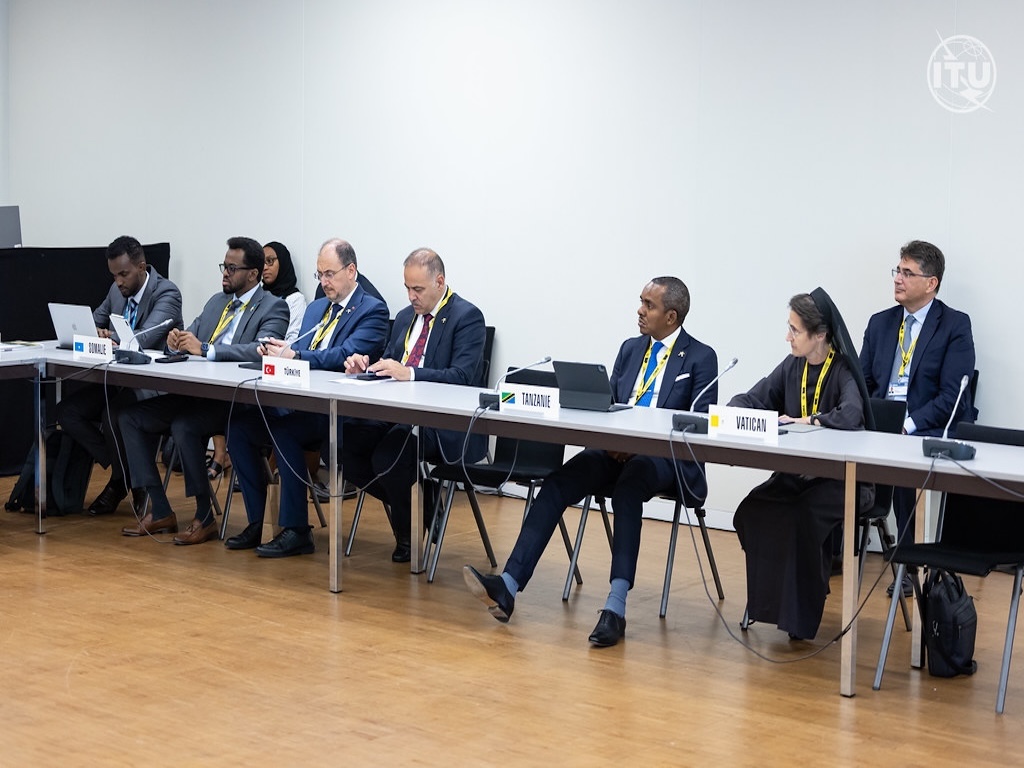
As part of the WSIS+20 High-Level Event 2025, organized by the International Telecommunication Union (ITU) and currently taking place at the Palaexpo in Geneva, a closed-door Ministerial Roundtable was held for Ministers and key Delegation Leaders from the participating countries.
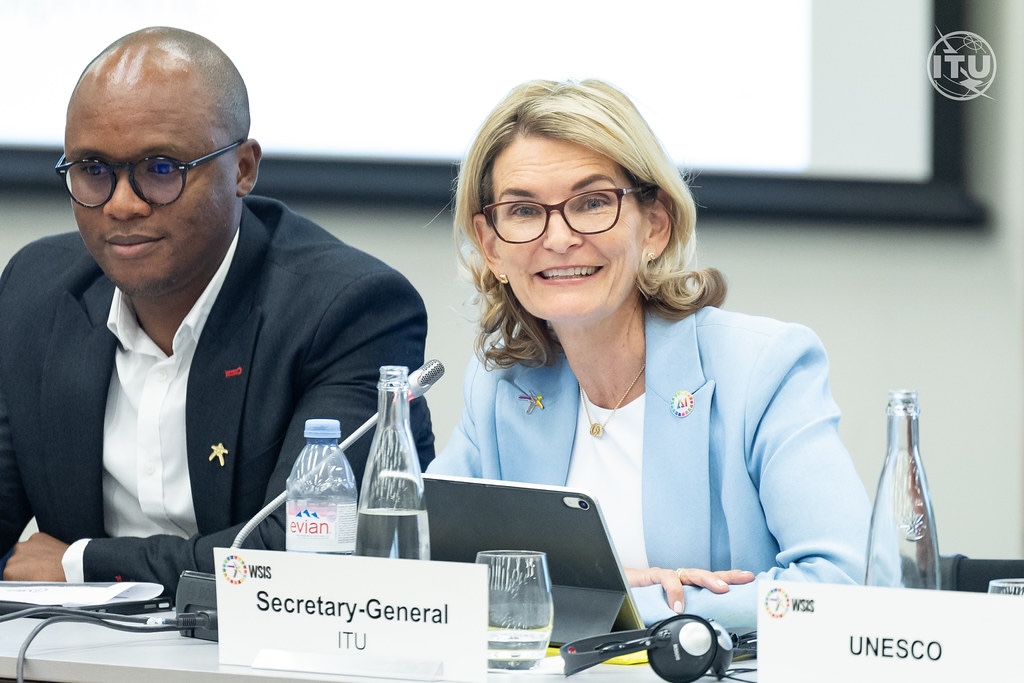
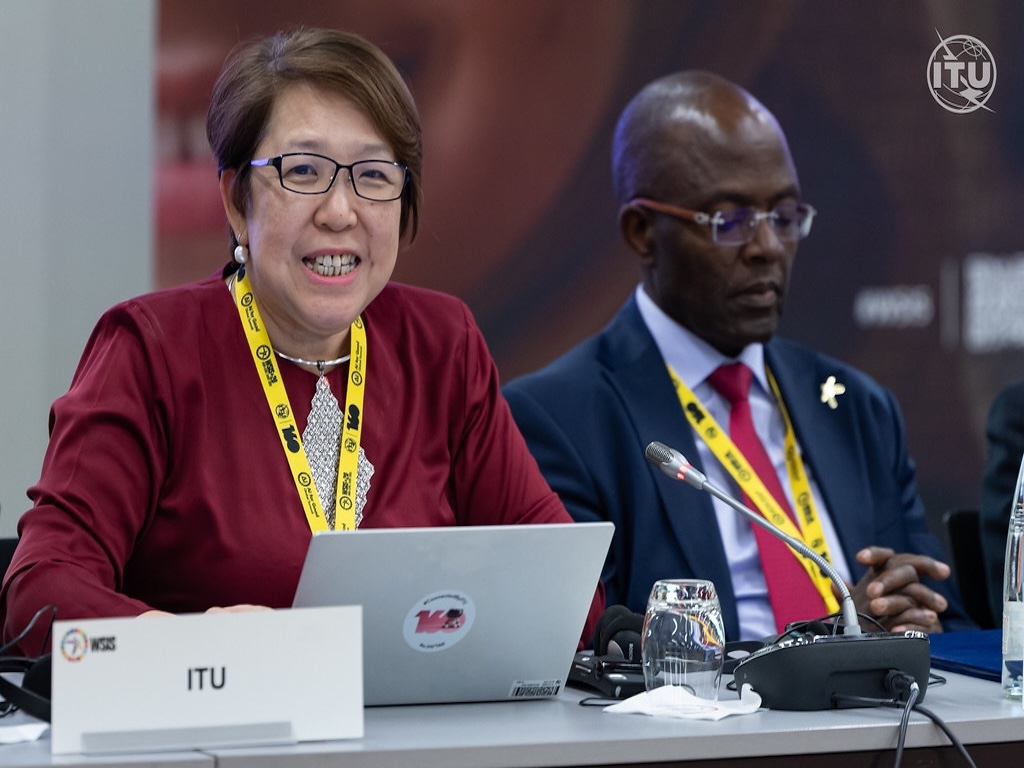
This edition’s format included an initial plenary session led by ITU Secretary-General Doreen Bogdan-Martin, during which the main discussion themes were presented. Following this, participants were divided into four groups to express their views on one of the three designated focus topics. The work concluded with a final plenary session and collective sharing of insights.
The three themes submitted for discussion were: "National digital priorities & implementation needs," "Emerging digital trends," and "WSIS beyond 2025: achieving future milestones together."
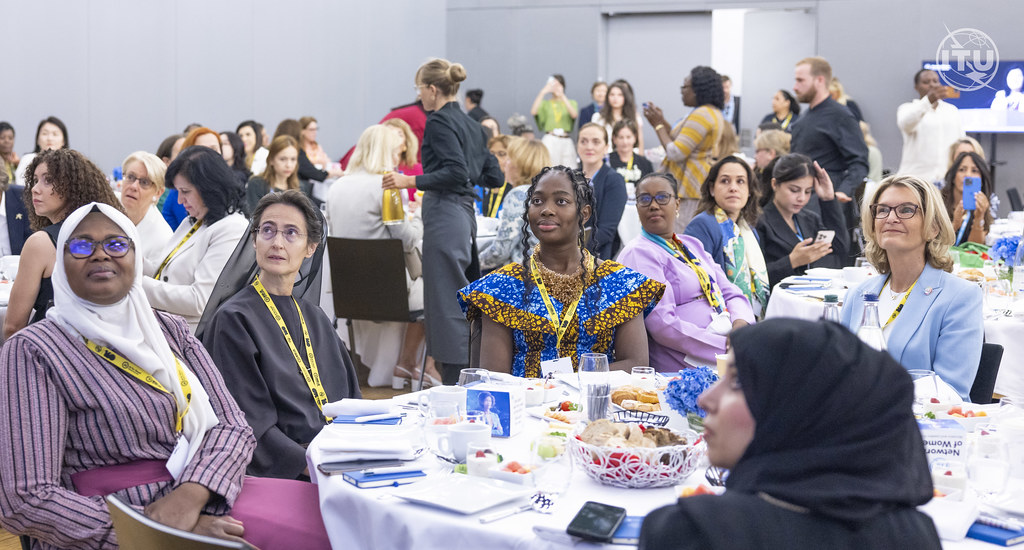
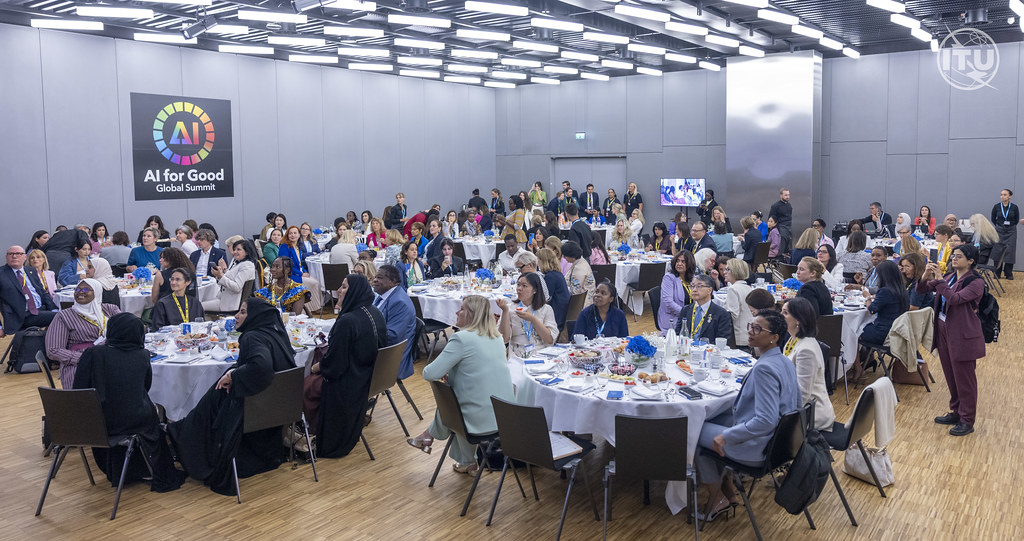
Prior to attending the Ministerial Roundtable, the President of the Governorate also took part in the Network of Women session held at the beginning of the WSIS+20. The session served as a strategic exchange among women in leadership roles in their respective countries, committed to promoting an inclusive digital transformation. At the core of the dialogue was the need to strengthen women’s presence in technology sectors and to promote policies aimed at closing the gender gap in ICT. Participants shared experiences, best practices, and future perspectives with the goal of building a global network of leaders capable of embracing change and inspiring new generations. The atmosphere was collaborative and forward-looking, with a strong focus on female leadership as a driver for more equitable and sustainable innovation.
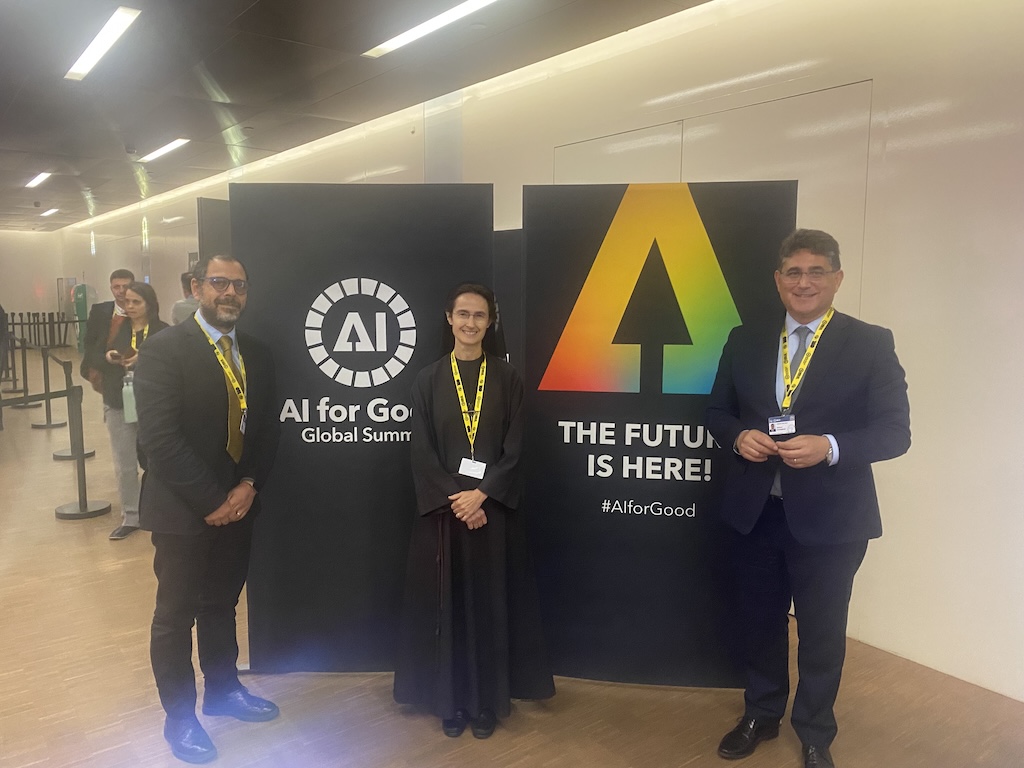
Also noteworthy was the participation of Antonino Intersimone, Director of the Telecommunications and Information Systems of the Governorate, and Davide Giordano, of the same Directorate and a member of the Governorate’s Commission on Artificial Intelligence, in several events dedicated to AI. These covered both innovation and governance-related issues within the AI for Good platform developed under WSIS+20.
Among these, one particularly significant event was “Developing Responsible AI: Vision and Practice,” which focused on the rapidly accelerating progress of artificial intelligence and the growing digital divide. On this very issue, the World Internet Conference (WIC) will bring together a multidisciplinary coalition—including members of the WIC Specialized Committee on AI, delegates from international standard-setting bodies, and leading figures from business and academia—to initiate a strategic dialogue on responsible AI governance.
Below is the full text delivered by the President of the Governorate, Sister Raffaella Petrini, at the Ministerial Roundtable:
Madam Chair, Excellencies,
The Vatican City State Delegation would like to thank the International Telecommunication Union (ITU) and the Office Fédéral de la Communication of the Swiss Confederation for convening this World Summit Information Society+20 High level event and is pleased to take the floor in this Ministerial Dialogue on “Shaping the future of digital cooperation”.
The extraordinary potential of digital technologies can bring a new important asset to many different fields and be a powerful tool to promote equality and justice in society. However, if misused, they may also foment conflict and increase inequality, particularly at the expense of those persons already in need. Therefore, a common reflection on the social and ethical aspects of AI tools is necessary.
In this context, guided by the insights of Pope Leo XIV, the Vatican Delegation is pleased to offer its contribution to this important Forum. At the outset, it would like to underline the need to weigh-in together on the ramifications of AI in light of the integral development of the human person and society. The benefits and risks of AI must be evaluated, in fact, according to a high ethical criterion that takes into account not only the material well-being of the human person, but also its intellectual and spiritual dimensions, while safeguarding the dignity of each human person.
In order to orient its own Artificial Intelligence tools toward the promotion of the common good, the Governorate of the Vatican City State has already taken several important steps, including the promotion of regular training courses on the use of digital technologies—and artificial intelligence in particular. Furthermore, through Decree No. DCCII [702] of the Pontifical Commission for the Vatican City State, the Governorate issued Guidelines on Artificial Intelligence, which entered into force on January 1, 2025.
These Guidelines promote concrete measures to ensure the ethical development and use of Artificial Intelligence within the Vatican City State. They address the specific needs to ensure both security and transparency. Furthermore, they provide a framework for technological advancement that is committed to fraternity and peace, while ensuring a fair and sustainable distribution of the benefits brought about by Artificial Intelligence.
This Delegation is convinced that initiatives such as this one may contribute to address some of the unavoidable AI challenges, calling for a broader and shared regulation that could contribute safeguarding the ethical aspects of AI utilization at international level. Along those lines, my Delegation welcomes I.T.U.’s efforts to bring together decision makers at this Forum and to foster dialogue and international cooperation in order to guarantee that AI is truly put at the service of humanity, for the good of present and future generations, and for all of creation.
Thank you.