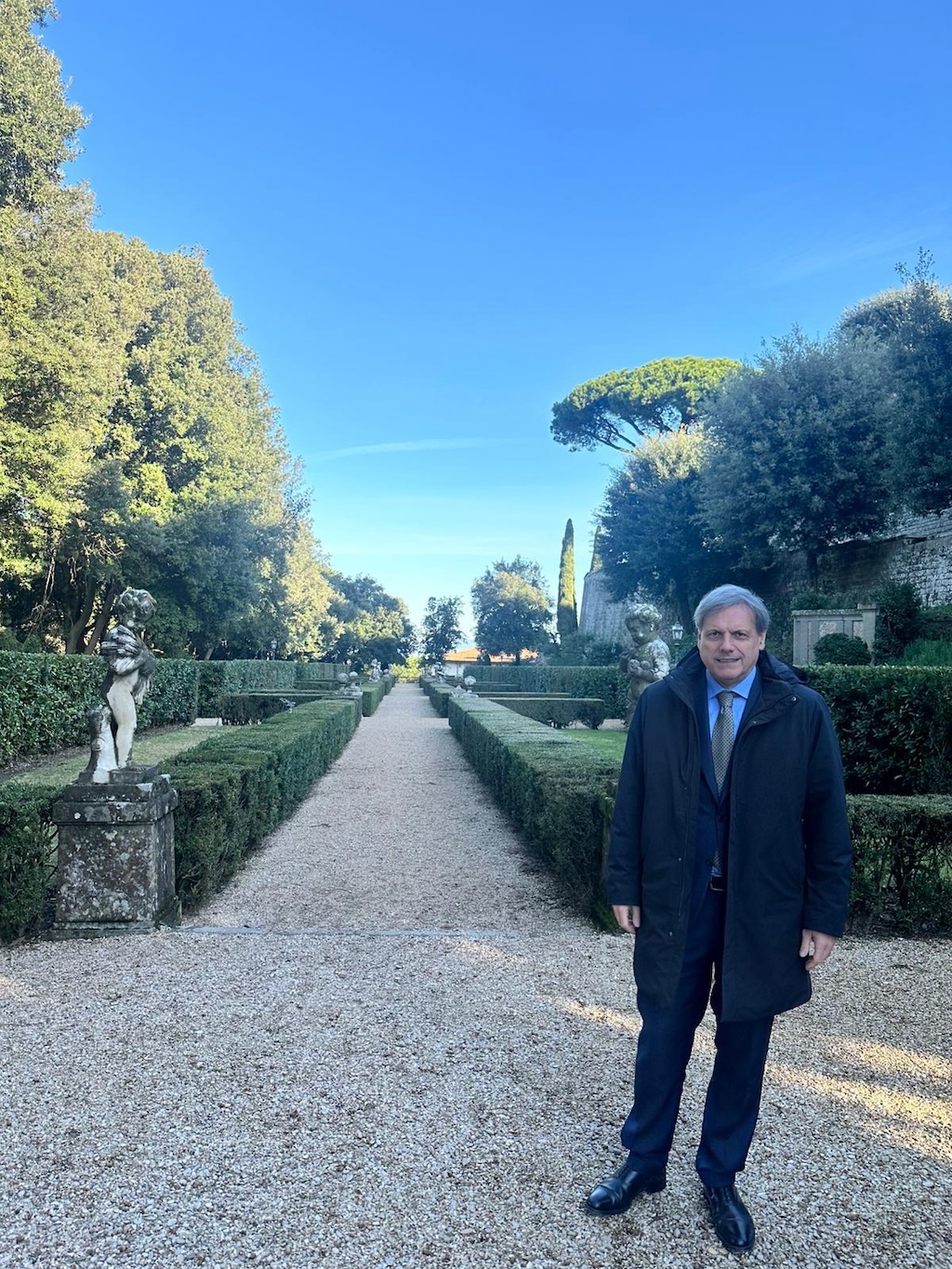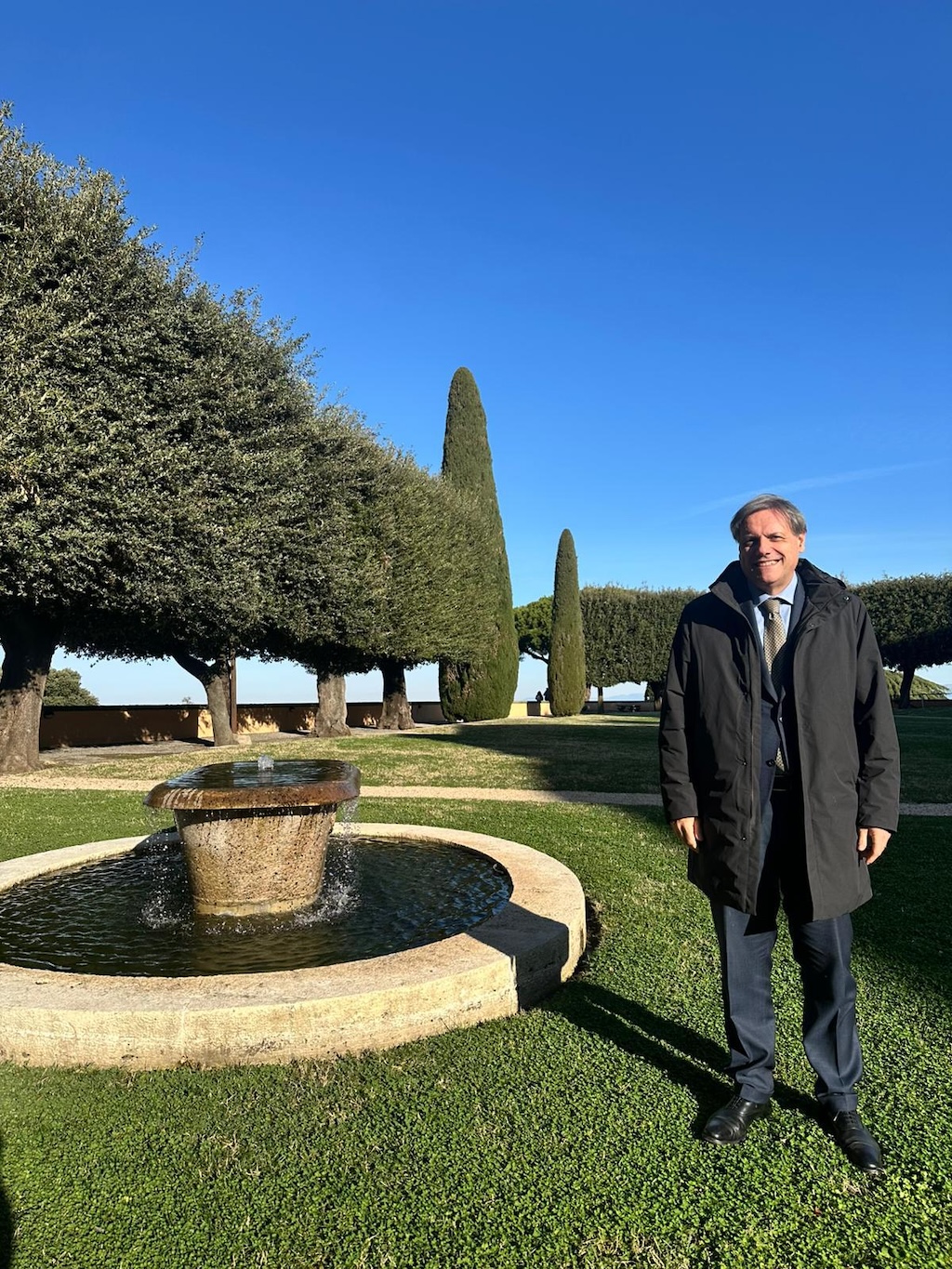


Interview with Director of the Pontifical Villas in Castel Gandolfo on the Programs for 2026
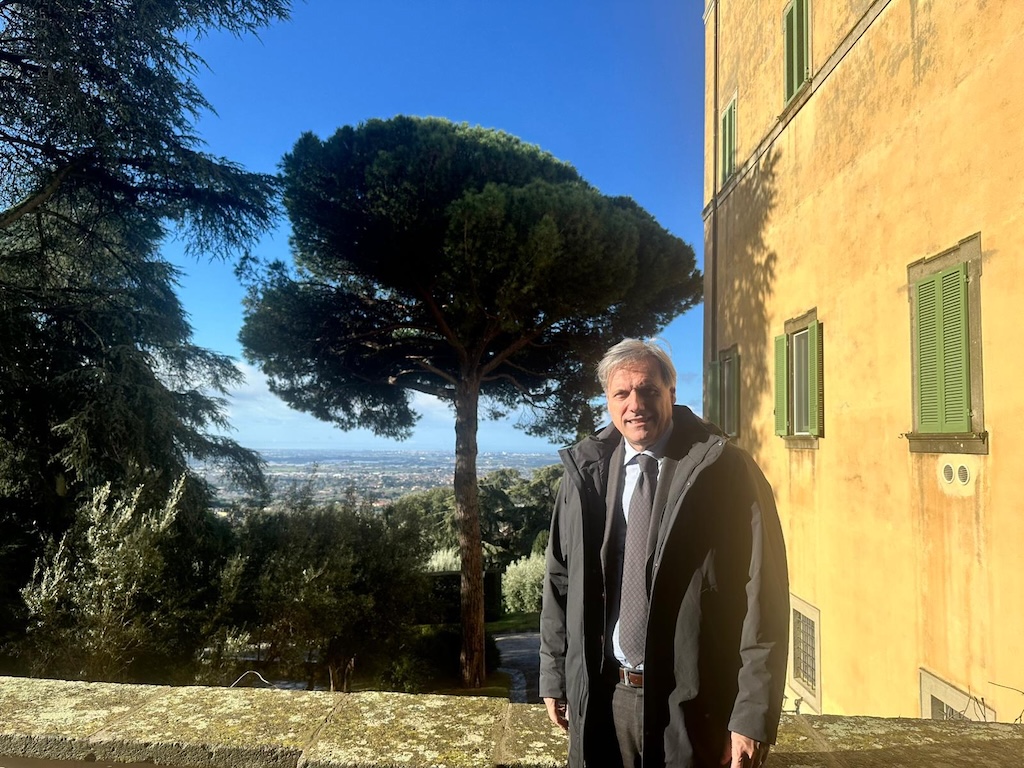

First and foremost: service to Pope Leo XIV
The primary “vocation” of the Directorate of the Pontifical Villas for 2026 is to ensure a seamless and peaceful stay for Pope Leo during his breaks from the Vatican. This is emphasized by Andrea Tamburelli, Director of the Pontifical Villas in this interview with the Governorate’s website whereby he outlines the activities planned for 2026. www.vaticanstate.va
What is the overall vision for the activities of the Pontifical Villas for this year?
As stated, the principal mission of the Pontifical Villas at Castel Gandolfo this year will be to continue to ensure a restful stay for the Holy Father during his brief times here. In doing so, the Directorate reaffirms its primary role which, since its establishment in the 1930s, has been to provide the Pontiffs with a pleasant and agreeable residence during their periods of relaxation. This is achieved through careful and continuous maintenance of the two historic residences — the Apostolic Palace and Palazzo Barberini — the preservation of the vast country estate created by Pope Pius XI (approximately 55 hectares), and the management of agricultural production for the Vatican State through the farm established between 1930 and 1934, following the acquisition of land adjacent to the gardens of the historic Villa of the Barberini nobility.
How does the 2026 program enhance the spiritual, cultural and environmental role of the Villas?
The very presence of the Holy Father makes this place profoundly spiritual and calls all of us, as employees, to silence and meditation, even during the hours of daily work. At the same time, Castel Gandolfo has increasingly become a place of great attraction for tourists as well as the faithful, who often wait with anticipation to see Pope Leo greet them from the main balcony.
What conservation and maintenance works are planned for historic buildings, gardens and artistic assets?
Regarding building maintenance, we operate within specific three-year plans, through which — together with the Directorate of Infrastructure and Services of the Vatican City State — all ordinary and extraordinary works are carried out in relation to the plans. In 2026, the works for the creation of the new carpentry workshop at Palazzo Barberini and the Apostolic Palace will be concluded.
As for the gardens, the restoration of the “Garden of the Moor” will be completed, which beautifully enhances the Apostolic Palace. This work will be carried out in line with the original 17th-century design, also drawing from historical engravings of that period. The work will be carried out entirely by the gardening staff of the Directorate of the Pontifical Villas.
With regard to artistic assets, it should be noted - particularly at Villa Barberini - that there are important archeological remains from the Roman period, as it was built on the site of the country villa of Emperor Domitian who ruled Rome and its empire between 81 and 96 AD.
Remains of great historical importance have been handed down to us, only a small portion of which has been brought to light, while the majority still lies beneath the land on which the monumental garden of Villa Barberini was created. Among the most significant visible Roman ruins are the private theatre of Emperor Domitian, the Cryptoporticus, the Avenue of the Nymphaea, the equestrian statue of Emperor Septimius Severus, and substantial ruins of the Domitian Imperial Palace.
The critical condition of these archaeological structures is increasing day by day. For this reason, it has become necessary to intensify surveillance of the artistic, historical and archaeological heritage and to establish a program of safety measures and scheduled maintenance which, together with the Superintendence of Cultural Heritage of the Vatican City State – under the Directorate of the Vatican Museums – will start early in 2026.
How are priorities defined between ordinary and extraordinary maintenance?
Historically, the Directorate of the Pontifical Villas is one of the smallest departments within the Governorate of the Vatican City State, despite covering a territory larger than the entire Vatican State itself. Consequently, we work continuously and collaborate with all other Directorates, depending on a variety of operational needs.
Regarding ordinary maintenance, this is mainly carried out by the internal staff through a general work plan already scheduled and implemented on a rotating basis annually. On the other hand, extraordinary maintenance activities are generally planned on a three-year base together with the Directorate of Infrastructure and Services which, after approval by the Governing Bodies, in most cases are carried out by specialized external companies by way of governing tender procedures.
I also believe it is important to point out that the Directorate of the Pontifical Villas is responsible for ensuring the function of networks providing water and electricity for all users present in the Extraterritorial Vatican area of Castel Gandolfo, including the Borgo Laudato Si’, the Vatican Observatory, the Mariapolis Centre, the College of Propaganda Fide, the Convent of the Poor Clares, and the school of the Maestre Pie Filippini. In this regard, we have internal staff who provide on-call availability 24 hours a day, 365 days a year, in order to intervene promptly and restore any issues that may arise in the networks.
How is the safety of people, assets and green areas ensured?
We have a coordinated set of organizational, technical and operational measures, in compliance with current regulations to protect safety of people, heritage and the environment. In particular, regarding worker safety: we have prepared and periodically updated the Risk Assessment Document (DVR); organized continuous training and information courses for staff on specific risks and correct operational procedures; mandated the compulsory use of Personal Protective Equipment (PPE) — such as helmets, gloves, safety footwear, high-visibility devices, etc. — for all workers; adopted specific safe working procedures under the supervision of qualified personnel; regularly maintain equipment and machinery.
With regard to the protection of assets and heritage: we demarcate and signpost work areas to prevent impacts, damage or unauthorized access; organize work activities to reduce interference with existing structures, systems and infrastructure; use appropriate vehicles and tools operated by authorized trained personnel; carry out periodic and timely checks to ensure restoration in the event of accidental damage.
And finally, for the protection of green areas: we carry out scheduled interventions in accordance with the natural cycles of vegetation; use low environmental-impact techniques and products; protect trees, flowerbeds and lawn surfaces during operations; ensure the proper disposal of plant residues and waste in compliance with environmental regulations.
The objective pursued through the use of all these integrated measures is to enable us to operate safely, reduce risks to people, preserve assets and safeguard the environment.
Are there any planned interventions to improve infrastructure and services?
As regards the improvement of infrastructure and services, a great deal was already accomplished last year, as discussed in a previous interview. However, special mention should be made of the new thermal plant commissioned in November 2025 at Palazzo Barberini: it consists of three remotely controlled, high-efficiency condensing boilers with significant energy savings. The plant was designed by the Directorate of Infrastructure and Services and implemented under the coordination of the Technical Services of Rome and those of the Pontifical Villas.
Further activities are planned for 2026, in particular the construction of a new sewage system serving Palazzo Barberini, as well as the preparation of a project for upgrading the electrical systems.
How is coordination with other competent bodies and Directorates ensured?
As mentioned previously, the activities of the Directorate of the Pontifical Villas are closely linked to those of the other Directorates of the Governorate. In this regard, effective collaboration and teamwork are essential to achieve optimal results.
Specifically, for activities carried out within its territory, the Directorate of the Pontifical Villas entrusts project management to the executing Directorate of the Governorate, which in this case assumes the role of “Project Manager”, while the Directorate of the Villas maintains operational control on site, overseeing the correct execution of works by the contracted companies in accordance with the specifications.
The Directorates with which we carry out most activities are those of Infrastructure and Services, for all matters relating to buildings — specifically construction and systems — and the Directorate of Museums and Cultural Heritage, with which we mainly collaborate on activities related to the tourist and museum sector within the Apostolic Palace of Castel Gandolfo.
What are the main challenges and opportunities for the future of the Pontifical Villas?
The main opportunity lies in improving, enriching and making the two residential buildings and garden park increasingly accessible, in accordance with the wishes and needs of the Holy Father.
Another important opportunity is to continue the positive collaboration with the Directorate of Museums and Cultural Heritage, which in recent years has enabled us to achieve significant results in terms of visitor numbers and the quality of exhibitions presented over time. I believe there is still considerable potential in attracting more tourists and, above all, in making Castel Gandolfo a thriving cultural hub.
Among the opportunities, I would also include improving the flow of information and synergies with the Borgo Laudato Si’ in the management of connected infrastructure and respective activities and institutional functions. I clearly see this aspect as an opportunity for further development.