

At the Vatican Museums, the Inauguration of the Exhibition “The Barberini Tapestry Workshop – The Resurrection and the Dedication of St. Peter’s Basilica”

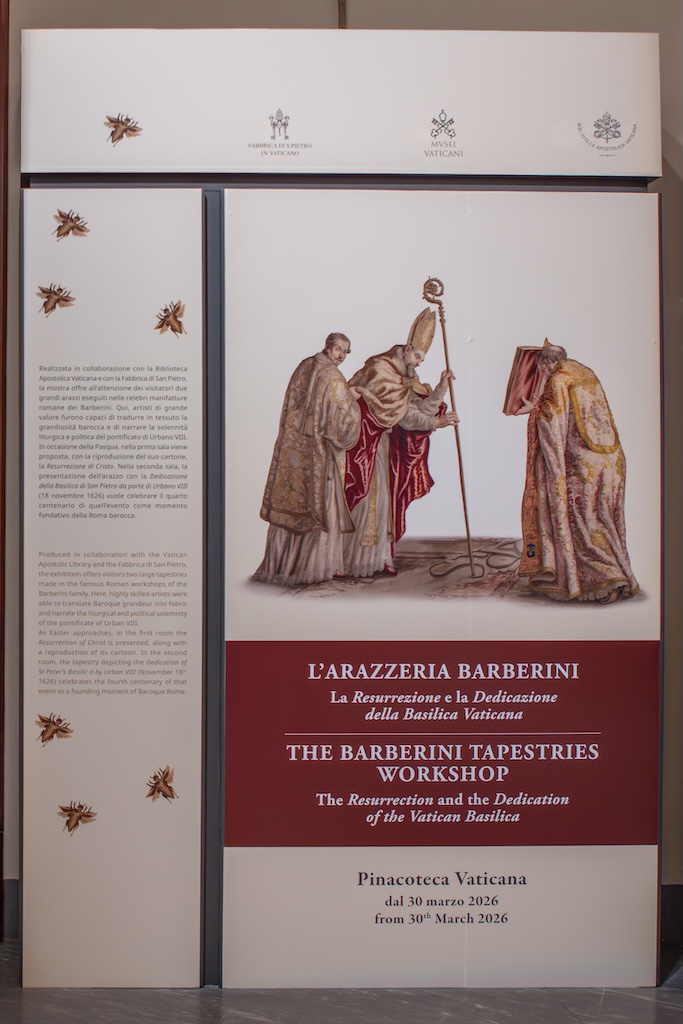
“The Barberini Tapestry Workshop – The Resurrection and the Dedication of St. Peter’s Basilica” is the theme of the exhibition inaugurated on Monday afternoon, March 30, in the Conference Hall of the Vatican Museums.
Among those who spoke at the event were Sr. Raffaella Petrini, President of the Governorate of Vatican City State, Cardinal Mauro Gambetti, Archpriest of St. Peter’s Basilica, Archbishop Giovanni Cesare Pagazzi, Librarian and Archivist of the Holy Roman Church, Rev. Don Mauro Mantovani, Prefect of the Vatican Apostolic Library, Barbara Jatta, Director of Museums and Cultural Heritage, and Alessandra Rodolfo, Chief Curator of the Department for 17th–18th Century Art and of the Tapestries and Textiles Department of the Vatican Museums. Also present were Archbishop Emilio Nappa and Giuseppe Puglisi-Alibrandi, Secretaries General.
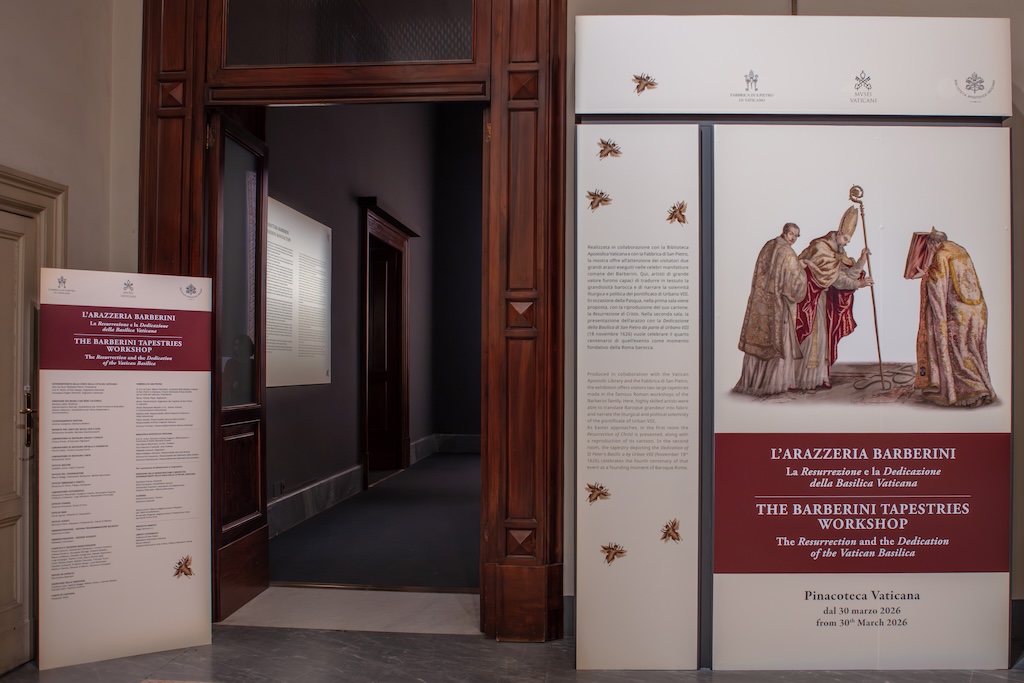
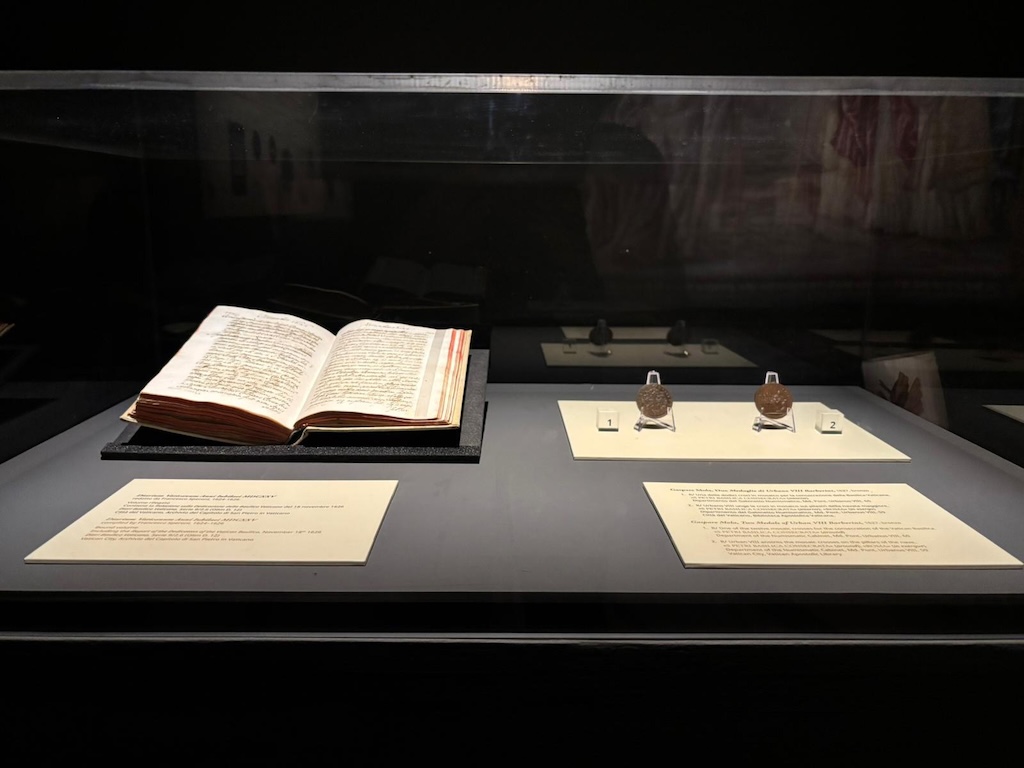
The exhibition, part of the Museums at Work series, has been set up in Rooms XVII and XVIII of the Vatican Pinacoteca and aims to celebrate the four hundredth anniversary of the Dedication of St. Peter’s Basilica (18 November 1626).
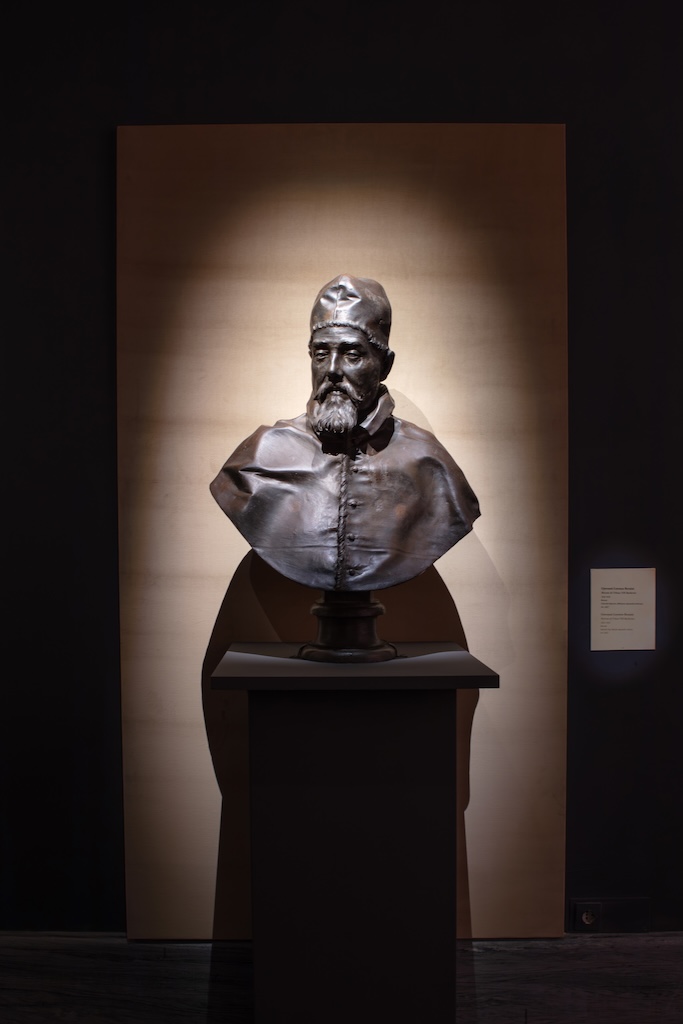
Along the exhibition route, visitors can admire the tapestries of the Barberini Manufacture of Rome, which was able to compete with major foreign workshops, showcasing the grandeur of the Baroque during the pontificate of Pope Urban VIII (1623–1644).
The exhibition is curated by Alessandra Rodolfo in collaboration with the Vatican Apostolic Library and the Fabrica of St. Peter.
Below is the address by the President of the Governorate:
I am very pleased to welcome all of you present here, with particular regard to His Eminence Cardinal Mauro Gambetti, President of the Fabrica of St. Peter, His Excellency Monsignor Cesare Pagazzi, Librarian and Archivist of the Holy Roman Church, and Monsignor Mauro Mantovani, Prefect of the Vatican Apostolic Library, who have so generously contributed to the realization of this small yet significant exhibition.
I also greet the other Authorities; thank you for accepting our invitation.
This is the second exhibition that the Directorate of the Vatican Museums has organized in this venue, since it became possible to make use of a space – Room XVIII of the Pinacoteca – recently added to Room XVII, where, since 2017, as many as 25 exhibitions have been held.
The spirit of these initiatives is always the same: to enhance, around specific themes, the knowledge of certain works from our collections, in order to underline their importance by associating them with one another or in connection with other loans, so that they do not, so to speak, “escape” the attention of the visitor, inevitably attracted by the beauty of the many works of art of extraordinary artistic value preserved within the Vatican Museums.
As usual, the format of the initiative is deliberately compact. This choice is intended to facilitate visitors’ focus and interest on the works presented, offering them both a rich educational apparatus and dedicated lighting.
This evening’s theme is the production of the Barberini Tapestry Workshop, a workshop established in the mid-seventeenth century and linked both to the Roman family and to the papal court of Pope Urban VIII. The Holy See was thus able to rely on an artistic workshop for the production of tapestries in Rome, without having to resort, as had been the case in previous centuries, to costly foreign commissions.
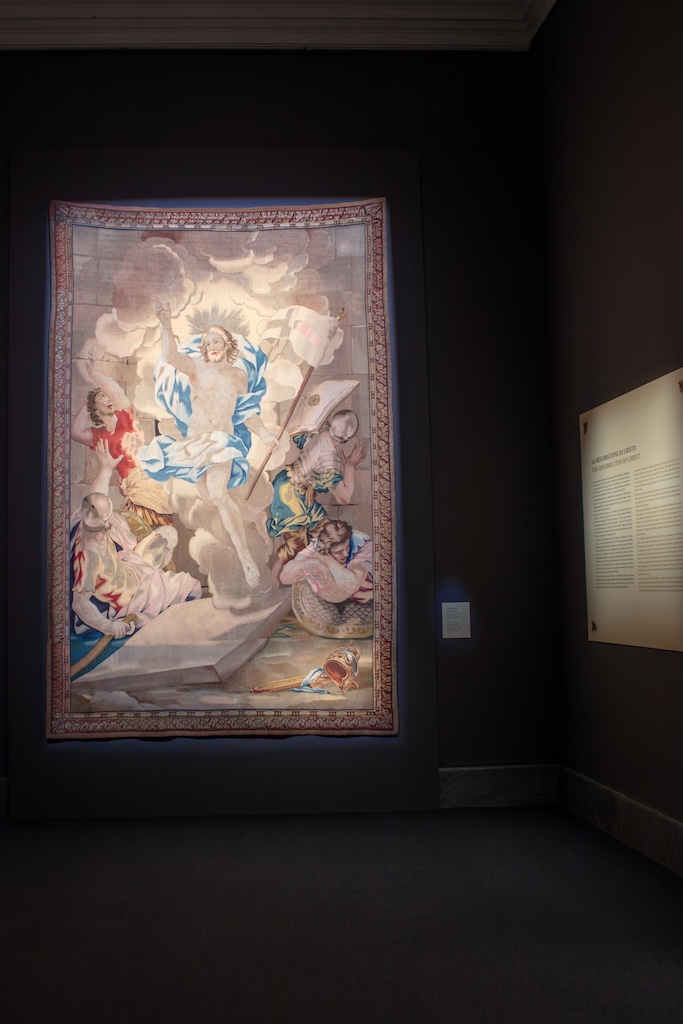
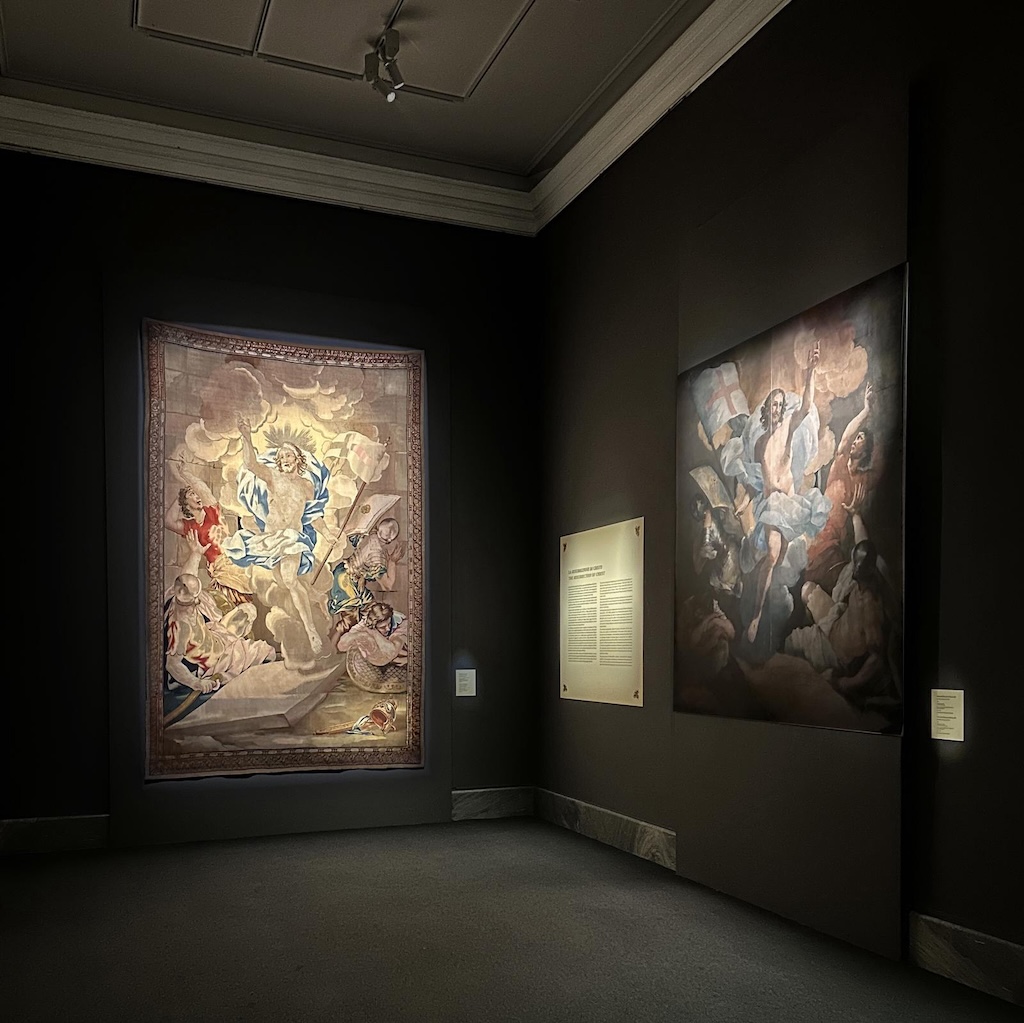
Two large tapestries are presented in the current display. In the first room you will find The Resurrection, belonging to the cycle of the Life of Christ, with which we intend to celebrate the upcoming Easter festivities.
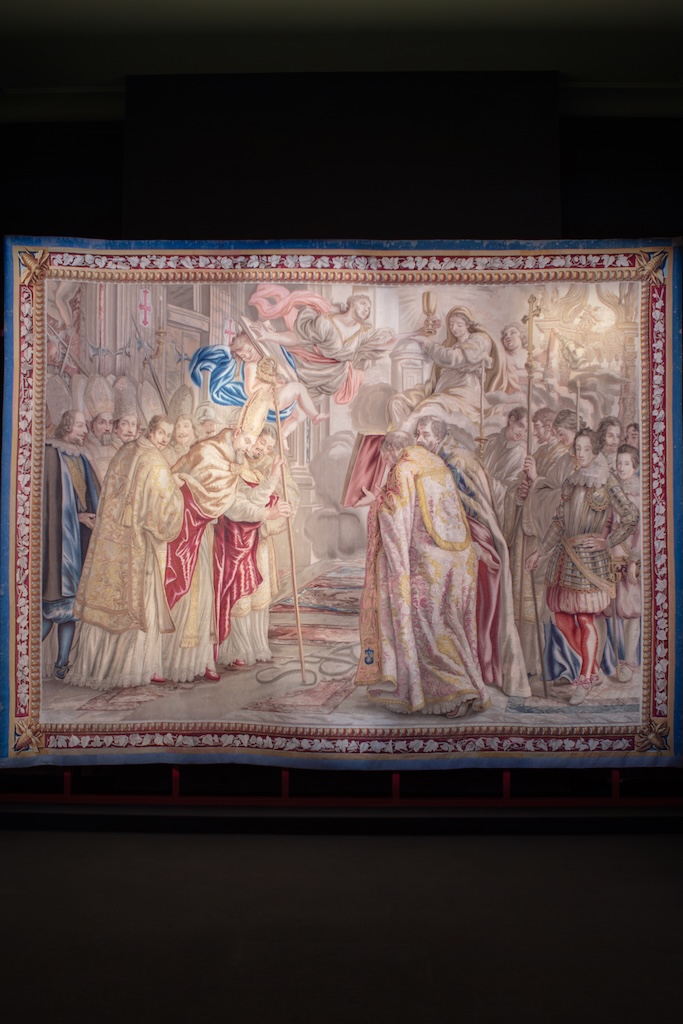
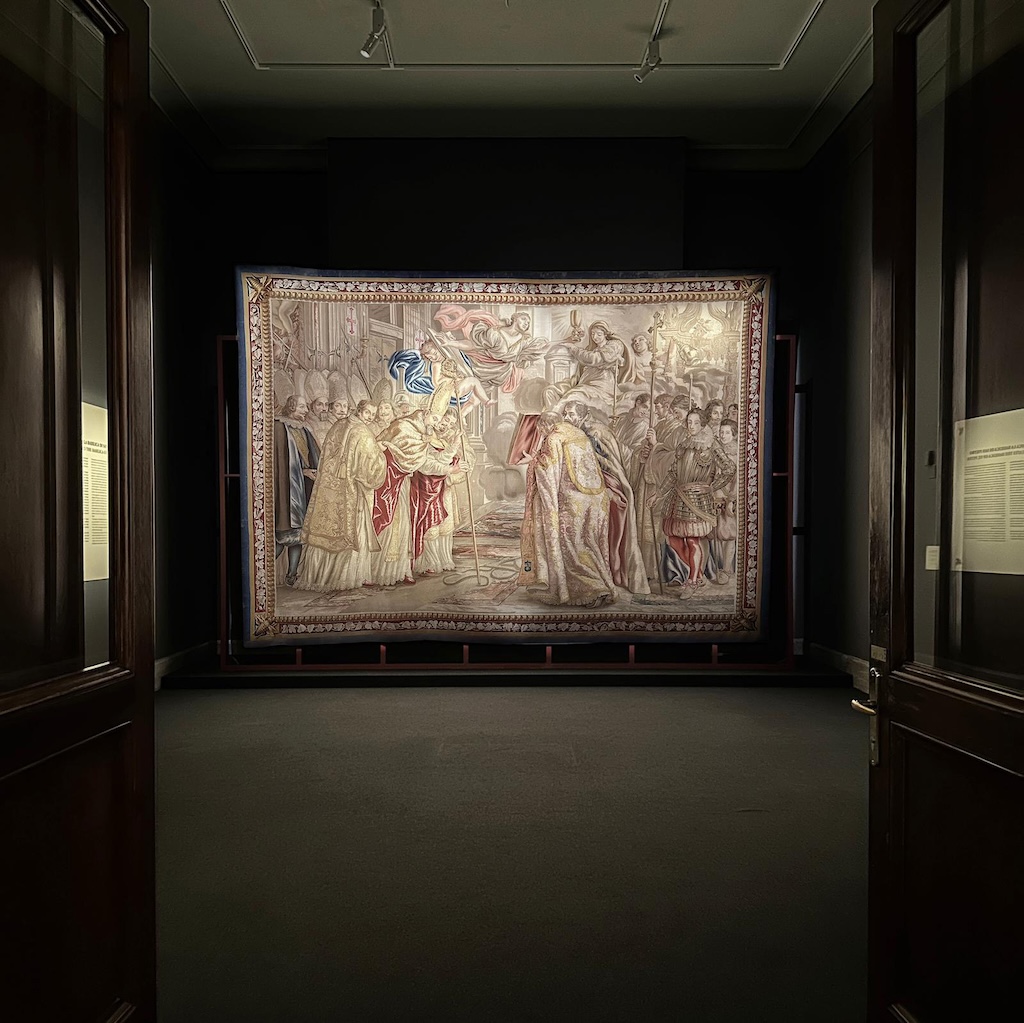
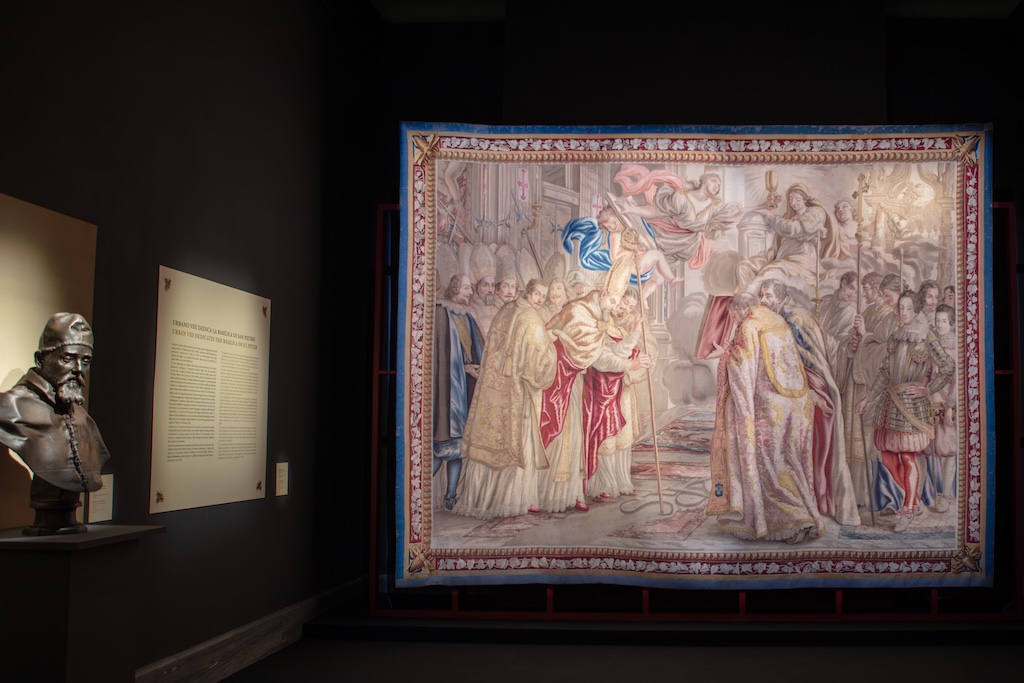
In the second room, on the occasion of the fourth centenary of the dedication of St. Peter’s Basilica, which took place on 18 November 1626, the large tapestry from the series of the Life of Pope Urban VIII is exhibited, depicting the solemn ceremony held inside the Basilica.
Before giving the floor to the other distinguished guests present here, I would like to sincerely thank the Directorate of the Vatican Museums and all the staff who, in various capacities, contributed to the realization of this interesting initiative—especially Dr. Alessandra Rodolfo and the exhibition curators—particularly appreciated by the governing bodies of the Governorate, also because it stems from the excellent collaboration with two other important Vatican institutions, the Fabrica of St. Peter and the Vatican Apostolic Library, which I thank once again for their availability and valuable contribution to the success of the initiative.
I conclude by extending to all of you, and to your families, my most heartfelt wishes for the continuation of this Holy Week and for a blessed Easter.
Thank you.