

Two Manna Ash Trees Planted in the Vatican Gardens

In line with the Encyclical Laudato si’
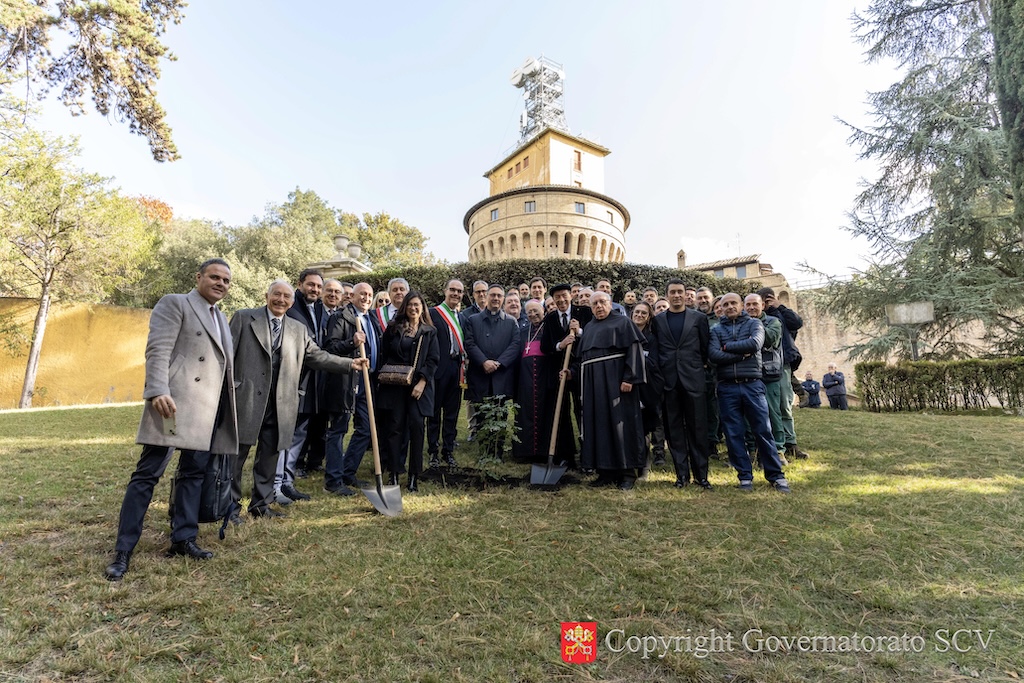
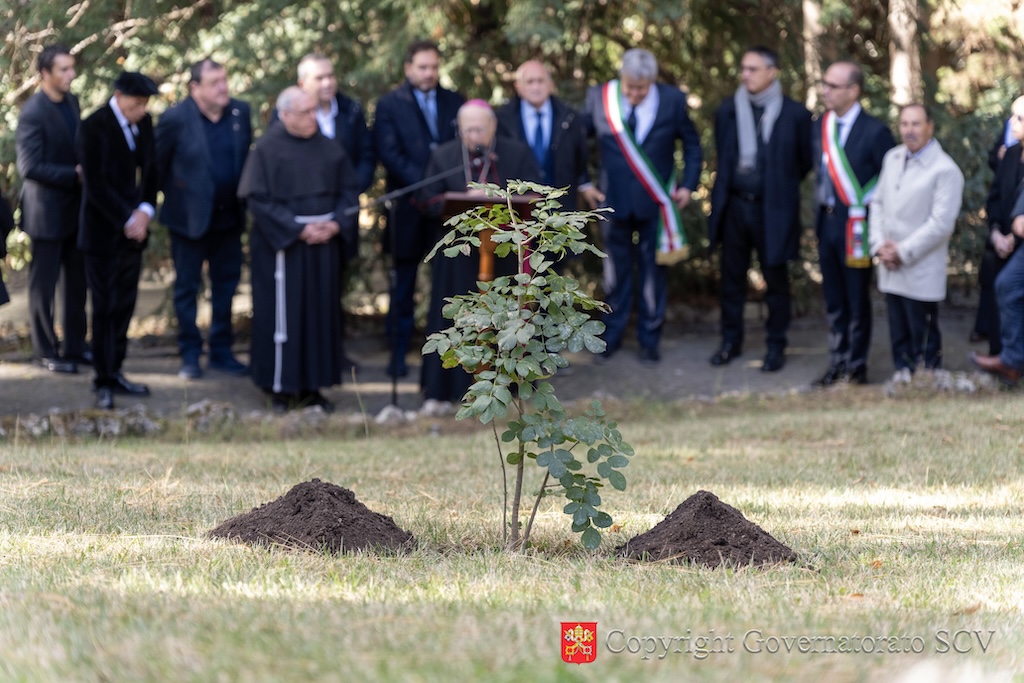
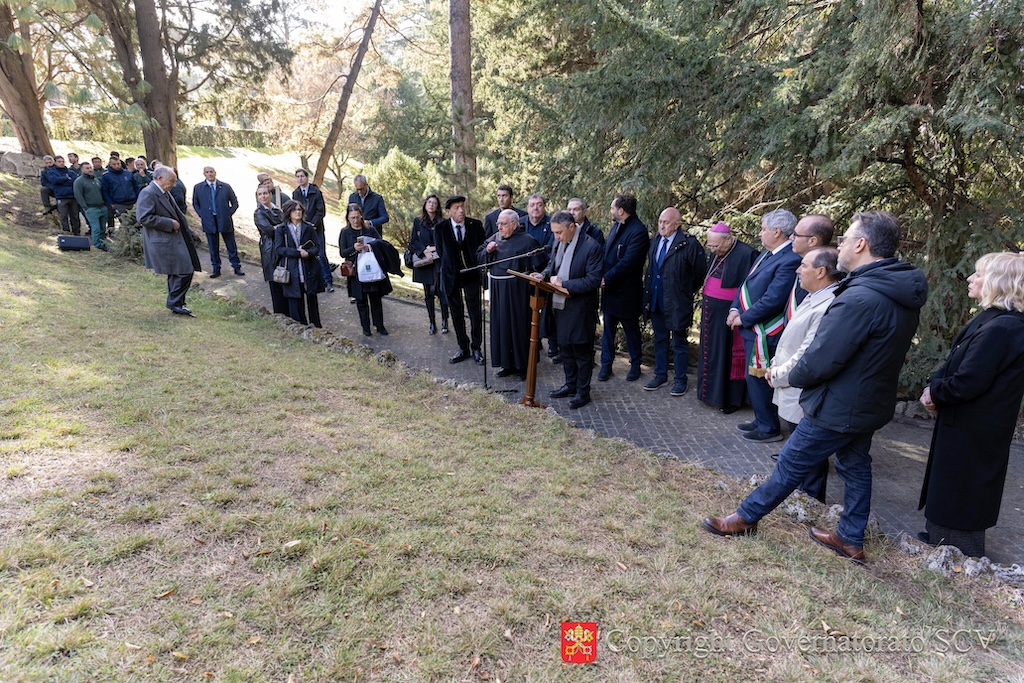
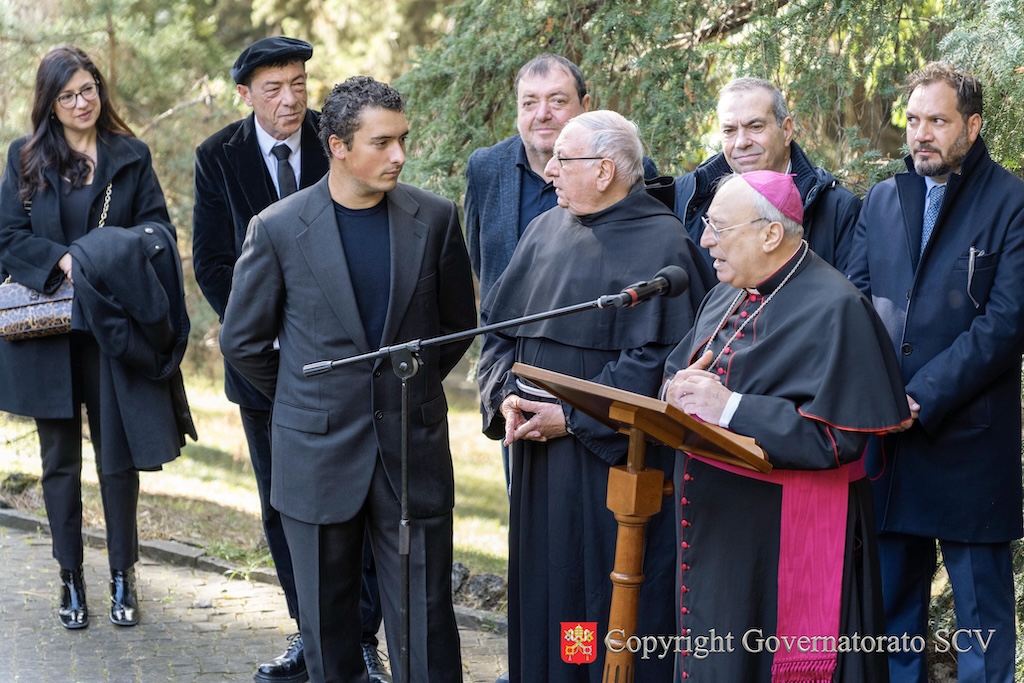
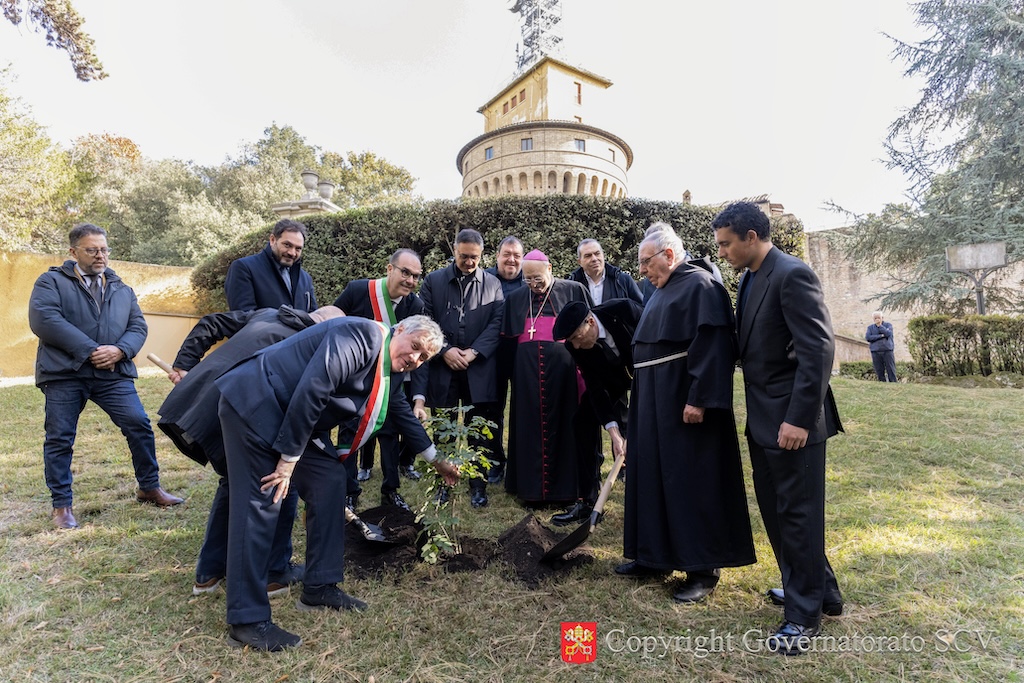
On the occasion of National Tree Day, Friday, 21 November, a Fraxinus ornus and a Fraxinus angustifolia—from which the traditional Madonie manna is obtained—were planted in the Vatican Gardens. Presiding over the ceremony was Archbishop Emilio Nappa, Secretary General of the Governorate of the Vatican City State, who emphasized that planting new trees to keep creation alive and respect the environment is fully in line with the principles set out in Pope Francis’ Encyclical Laudato si’. “It is even more so,” he said, “when the plants in question have a clear biblical reference.”
The initiative was promoted by the confectionery company Fiasconaro Brothers, the Botanical Gardens of the University of Palermo, the Madonie Park Authority, and the municipal administrations of Castelbuono and Pollina in the province of Palermo.
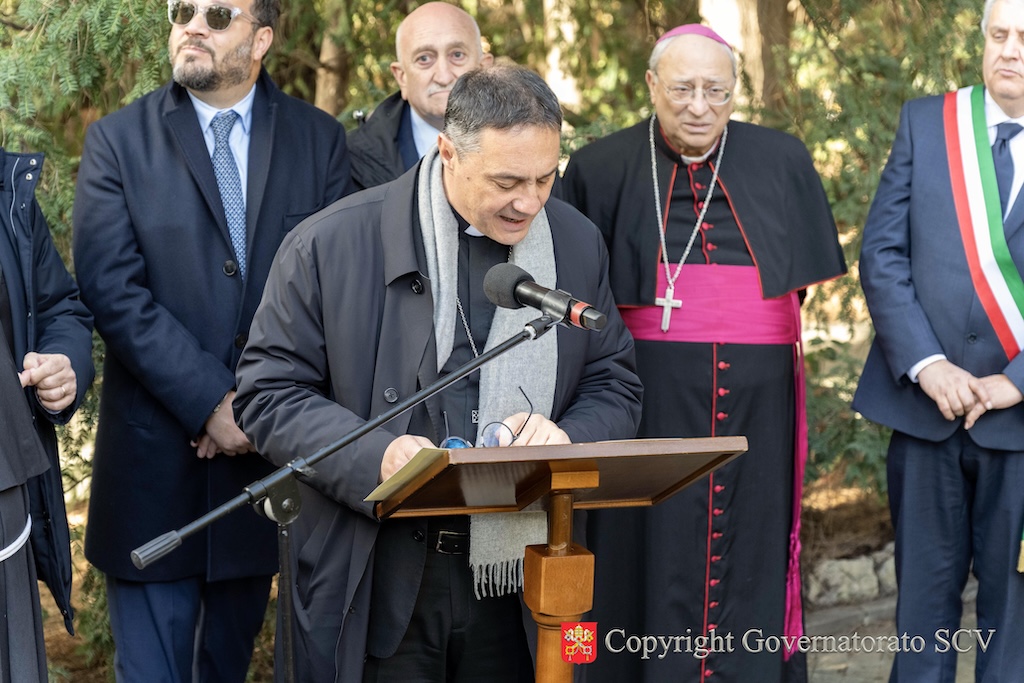
During the ceremony, the Bishop of Cefalù, Monsignor Giuseppe Marciante, pointed out the meaning of manna in the Scriptures: “Manna was for everyone. This is the deeper meaning of planting these ash trees: a symbol of gift, care for creation, and attention to the least among us. The Fiasconaro Brothers never forget the least of us.”
Franciscan Father Paolo Fiasconaro announced that “the Fiasconaro company has decided to donate one thousand small panettoni to the children of the Bambino Gesù Hospital. It is a simple and heartfelt way of bringing them a sign of celebration and closeness.” Professor Rosario Schicchi, Director of the Botanical Gardens, highlighted the importance of the initiative: “We are presenting the Vatican Gardens with two different species of ash—plants that have accompanied human activities for centuries: from skis to agricultural tools, all the way to their use in traditional pharmacopoeia.”
Among those present were Mario Cicero, Mayor of Castelbuono, Pietro Musotto, Mayor of Pollina, and Marcello Catanzaro, Mayor of Isnello and member of the Executive Committee of the Madonie National Park.
Below, is Archbishop Nappa’s address:
I welcome you, also on behalf of the Governing Bodies of the Vatican City State, as we gather in the Vatican Gardens for the planting of two ash trees.
I offer my greetings first of all to:
- Monsignor Giuseppe Marciante, Bishop of Cefalù,
- Professor Rosario Schicchi, Director of the Botanical Garden of Palermo,
- Mario Cicero, Mayor of Castelbuono,
- Pietro Musotto, Mayor of Pollina,
- Giuseppe Ferrarello, President of the Madonie Park,
- Nicola Fiasconaro, master pastry chef,
- Lieutenant General Fabrizio Parrulli, Commander of the Carabinieri’s Forestry, Environmental, and Agri-food Units,
- Vincenzo Morgante, Director of TV2000.
It is with great honor and gratitude that we welcome into the flora of the Vatican Gardens the two plants, Fraxinus ornus and Fraxinus angustifolia, which the Botanical Gardens of Palermo, the Fiasconaro confectionery company, and the municipal administrations of Castelbuono and Pollina have chosen to donate.
Promoting the planting of new trees to keep creation alive and to respect the environment is surely in line with the principles expressed in Pope Francis’ Encyclical Laudato si’. It is even more so when the plants in question have a clear biblical reference.
“Man hu: what is it?” the Israelites asked when they saw manna for the first time, for they did not know what it was. As the Book of Exodus (15–17) relates, Moses explained that it was the bread the Lord had given them to eat. “This is what the Lord has commanded: Gather as much of it as each of you needs, an omer per person, according to the number of persons each of you has in your tent.” And so the Israelites did, some gathering more, some less.
The biblical account makes it clear that manna fed the people of Israel and allowed them to overcome the trial of food scarcity in the desert. They were journeying toward the Promised Land, sustained by a hope that carried them through hardships and difficulties. The “dew-like manna” was providential for them and manifested God’s care, that never abandons His creatures.
Like the Israelites, we too are “Pilgrims of Hope” in this Jubilee Year now drawing to a close. We too wish to heed the invitations of Pope Francis and Pope Leo XIV to renew this virtue—especially in times of trial—and to undertake a path of faith and spiritual renewal.
In your region, manna is not only a food but also a symbol of the creativity that has enabled you to achieve excellence in confectionery, using precisely that sweet “dew” extracted from the trees we are planting today. This means that these two trees will represent, for visitors to the Vatican Gardens, a clear reminder to trust in the Lord and as a tribute to the skill of the pastry artisans of your native land.
Indeed, biblical references and territorial references to Sicily—particularly the region south of Palermo—will offer a moment of reflection for all who encounter these two ash trees.
Moreover, this tree is known for its resilience and longevity, and in many cultural traditions it is associated with protection and healing. These trees, like manna, are elements that sustain life. Planting them in the Vatican Gardens is a sign of hope and care for the future, just as manna provided daily hope to the Israelites during their wandering in the desert.
With this donation, therefore, we wish to remember that Divine Providence not only nourishes the people but also establishes a deep bond with its creatures and with nature—a bond that endures over time and will continue to nurture the community far into the future.