

Vatican Participation in “AI as Catalyst – Reimagining Medical Education and Workforce Development” at the Massachusetts Institute of Technology, Boston
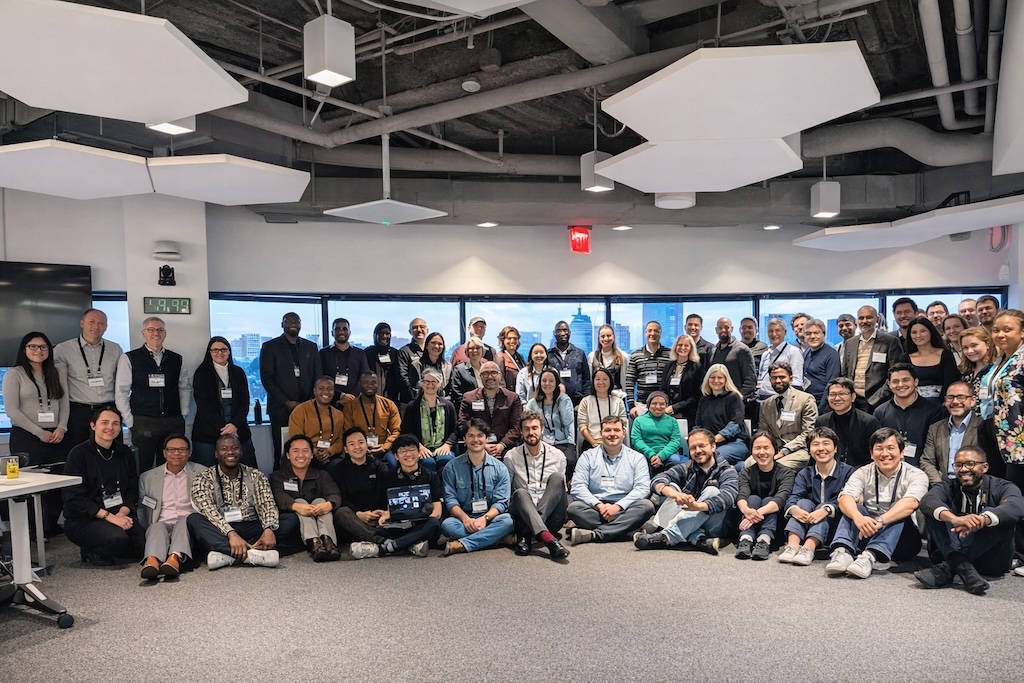

Putting people at the center
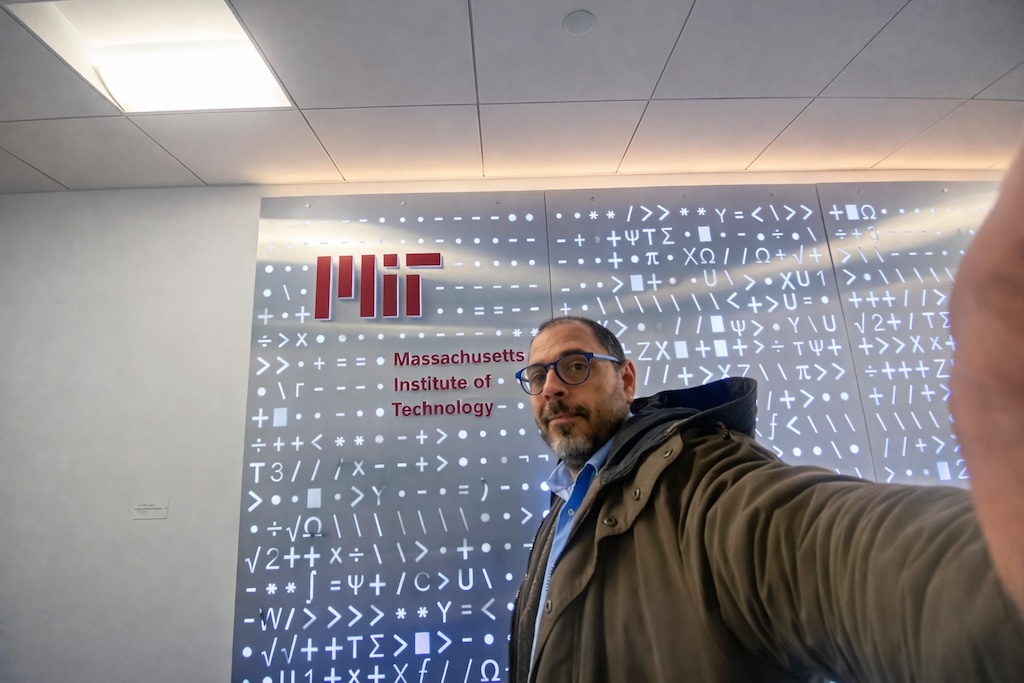
On January 15–16, 2026, Davide Giordano from the Internet Provider Service of the Vatican City’s Directorate of Telecommunications and Information Systems and a member of the Governorate’s Commission on Artificial Intelligence, took part in the conference “AI as Catalyst – Reimagining Medical Education and Workforce Development,” held at MIT (Massachusetts Institute of Technology) in Boston.
The initiative represented an opportunity for international dialogue on the role of artificial intelligence as an enabling factor not only from a technological standpoint, but above all as a lever for rethinking educational models and professional skills, starting with the healthcare sector. In this context, technology becomes an opportunity to consider on “what kind of professionals we are training” and how to prepare them to operate in healthcare systems that are increasingly complex and digitalized.
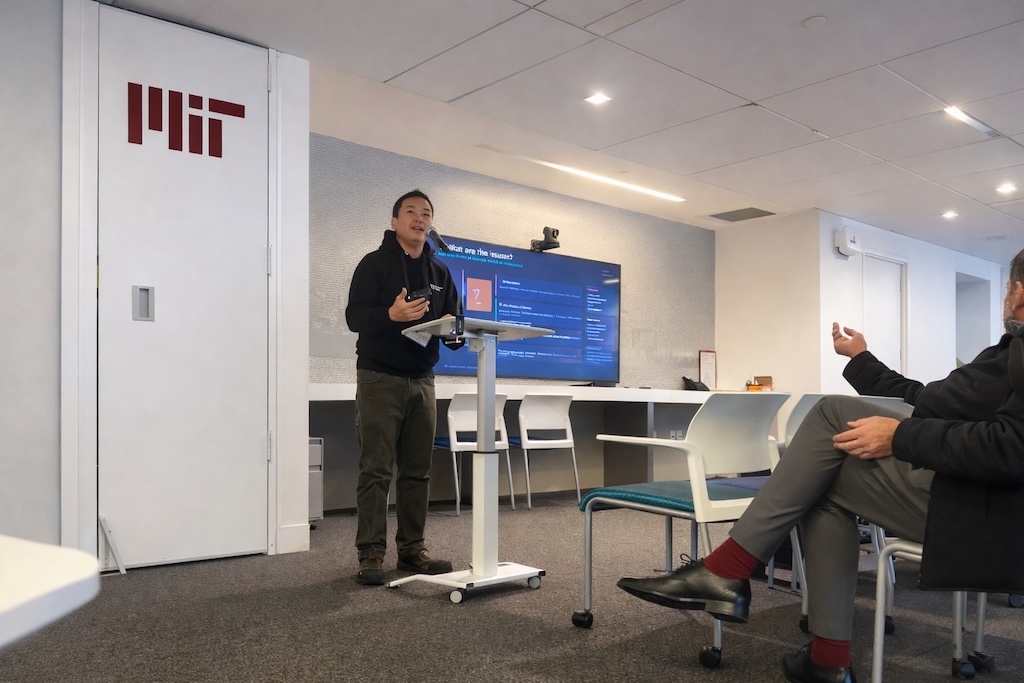
The proceedings opened with a keynote by Professor Leo Anthony Celi, a member of MIT Critical Data, who emphasized how artificial intelligence can act as a facilitating tool on a technical level, but above all as a catalyst for a profound rethinking of educational pathways.
From the outset, a clear vision emerged: while certain cognitive functions can be supported or automated, education can no longer be limited to the acquisition of technical instructions, information or operational protocols. Instead, it must evolve to strengthen what remains central to professional practice.
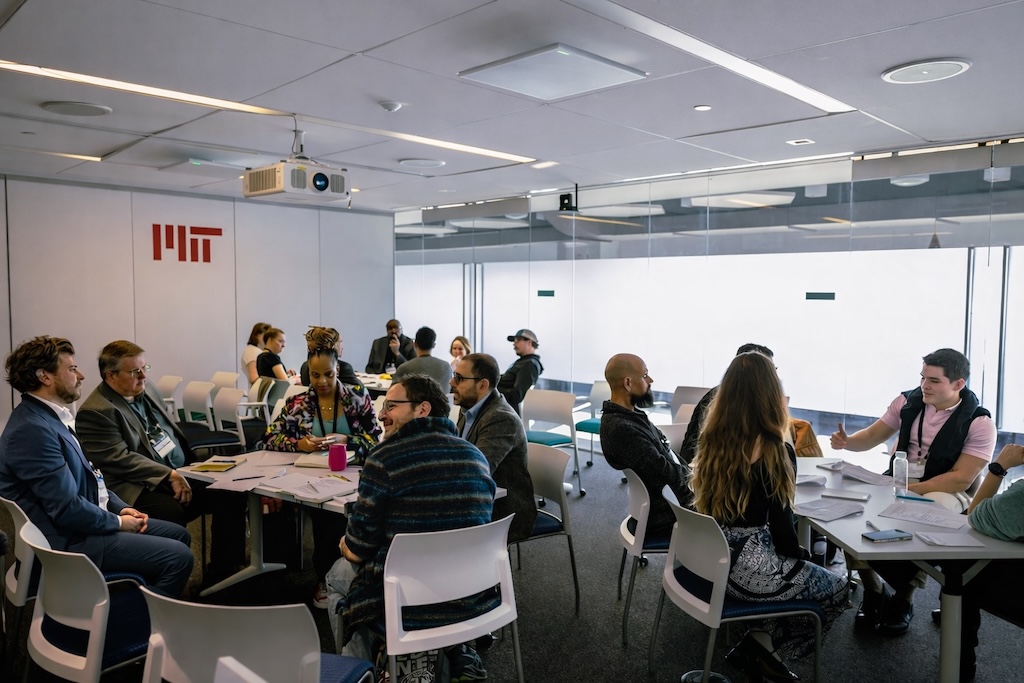
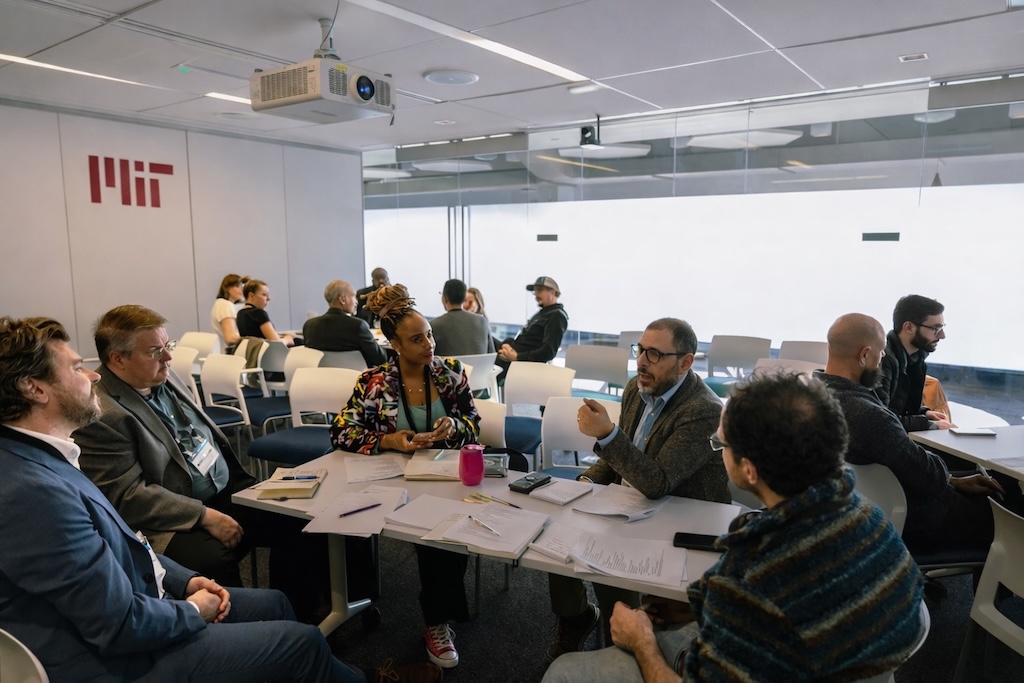
During the first day, the diversity of participants—coming from different fields yet sharing decision-making and relational responsibilities of their professions —found expression in three thematic workshops. The working groups were encouraged to question standardized or traditionally conceived educational paradigms, highlighting their limitations when faced with the complexity of real-world contexts. The discussions led to a renewed appreciation of skills often considered “soft” or “transversal,” such as listening, managing uncertainty, collaboration, and empathy—understood not as innate qualities, but as professional competencies that can and must be cultivated through appropriate training pathways.
The second day, held at MIT’s historic campus, was devoted to a synthesis aimed at translating the considerations that had emerged into concrete action. The shared goal was to transform the debate into practical guidelines that could be immediately applied within participants’ respective contexts.
Overall, the experience confirmed that putting people at the center is not an abstract ethical stance, but a precise educational choice: investing in competencies that require practice, experience and shared reflection. Education thus emerges as an invisible yet decisive infrastructure, capable of supporting any innovative practice and of preparing professionals who can integrate technology without delegating the meaning of their decisions.
The adoption of artificial intelligence, in healthcare as in other fields, makes a rethinking of educational models inevitable. It is not a matter of choosing between technology and humanity, but of training professionals capable of binding both, through learning communities and interdisciplinary pathways.