

The Evolution of the Annona Vatican Supermarket

In the beginning, it was called “Annona e Grascia”, and it functioned as a tribunal within the papal administration, responsible for overseeing matters related to food supplies.
On January 22, 1588, Pope Sixtus V, through the Bull Immensa Aeterni Dei, established fifteen permanent Congregations—some newly created, others confirmed or reformed. One of these was the Congregation for the Abundance of the Papal States (Pro ubertate annonae Status Ecclesiastici). It consisted of five Cardinals and was tasked with ensuring the provisioning of foodstuffs.
The aim was to create a body that would prevent food shortages within the Papal States and ensure preparedness in case of a food emergency. This role mirrored that of the Prefect of the Annona in ancient Rome, an office established around 7 B.C. by Emperor Augustus to oversee the supply of foodstuffs—particularly grain—for Rome and to manage food distributions to the needy.
On March 16, 1588, Sixtus V, through the Bull Abundantes divinae, endowed the Congregation for the Abundance of the Papal States with 200,000 scudi as an emergency fund and to subsidize farmers, thereby encouraging cereal cultivation. Later, the Congregation evolved into an administrative tribunal responsible for managing food supplies. In the 16th century, this tribunal was divided into two sections: the first oversaw matters related to the trade of bread and grains, as well as crimes in that sector; the second dealt with livestock for slaughter, oil and other foodstuffs.
The administration was entrusted to two Clerics of the Chamber, who bore the respective titles of Prefect of the Annona and Prefect of the Grascia.
Another transformation occurred during the pontificate of Pius VII, amid political and administrative changes. In the early 1800s, the Pope promoted free trade, particularly concerning grasce (grains, oils and comestibles), abolishing restrictions, duties, and guilds, and establishing the Deputazione dell’Annona (Annona Deputation). This body, composed of a prelate, six knights, an assessor and a secretary, was tasked with enforcing the laws on food supply, supervising weights and prices, and adjudicating disputes concerning the Annona, to the exclusion of any other judge or tribunal. In effect, it absorbed all the functions of the Prefecture of the Annona tribunal.
Pius VII’s successor, Pope Leo XII, in 1828, set the number of Clerics of the Chamber at nine and unified the Deputazione dell’Annona and the Deputazione della Grascia under a single authority. Eventually, the two deputations were merged into one: the Deputazione dell’Annona e della Grascia.
In 1847, responsibility for Annona and Grascia matters was partially transferred to the Municipality of Rome. Later, once ministerial departments were established, these functions were assigned to the Ministry of the Interior and the Ministry of Commerce.
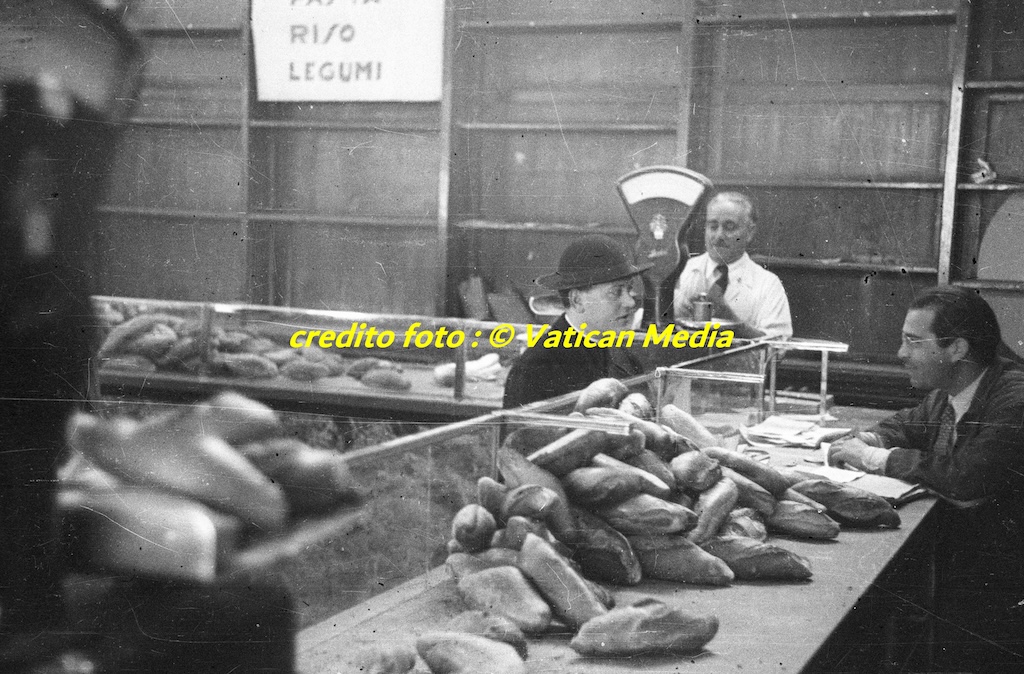
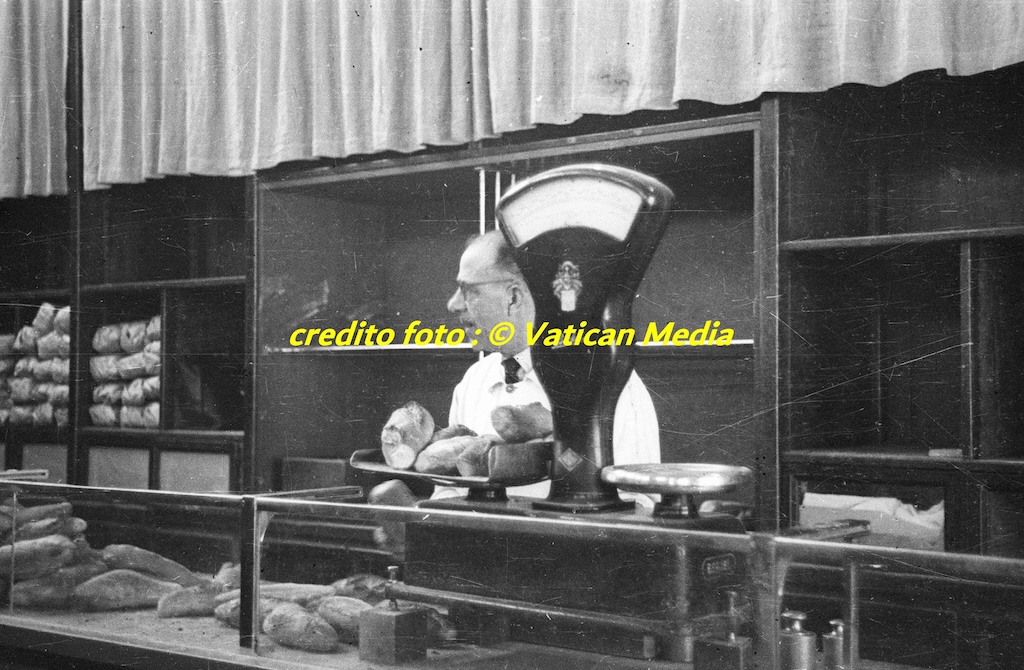
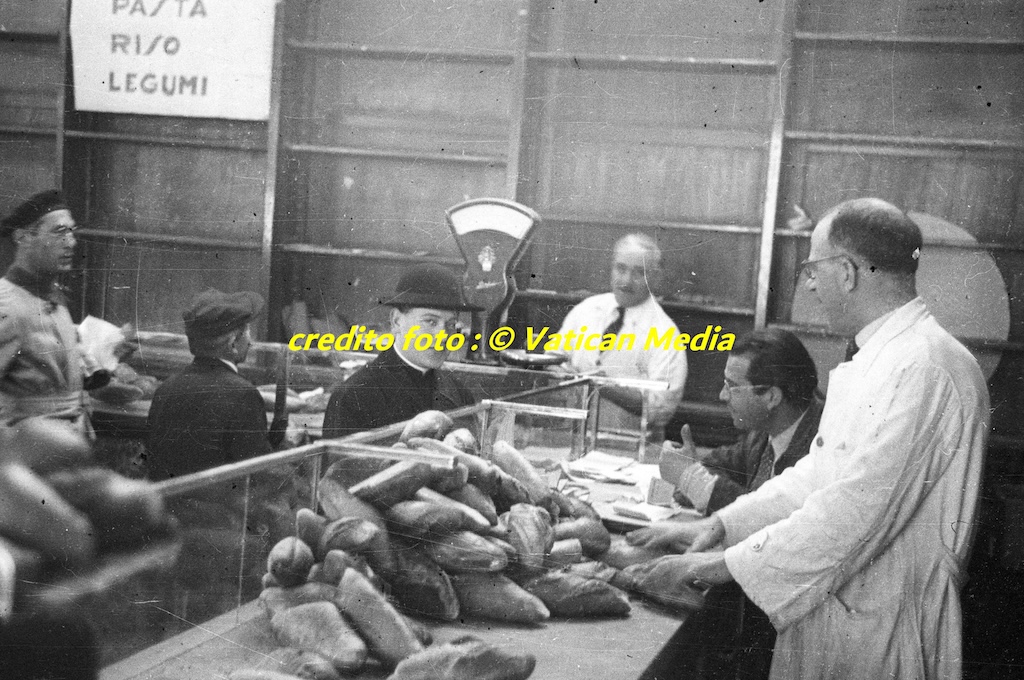
With the creation of the Vatican City State in 1929, it became necessary to open a food supply store for the College of Cardinals, members of the Roman Curia, employees, and members of religious orders. The name “Annona” was chosen, recalling both the Congregation instituted by Sixtus V and the ancient Roman prefecture. The new store was initially housed in a premises on Via del Pellegrino, within the Leonine Walls. Later, in 1931, during the architectural transformations commissioned by Pius XI for the nascent State, architect Giuseppe Momo (1875–1940) designed the building dedicated to the Annona—the same one that still exists today.
In the years that followed, successive Popes developed and expanded the Annona, promoting various renovations and broadening the range of available products.