


24 February: Blessed Tommaso Maria Fusco
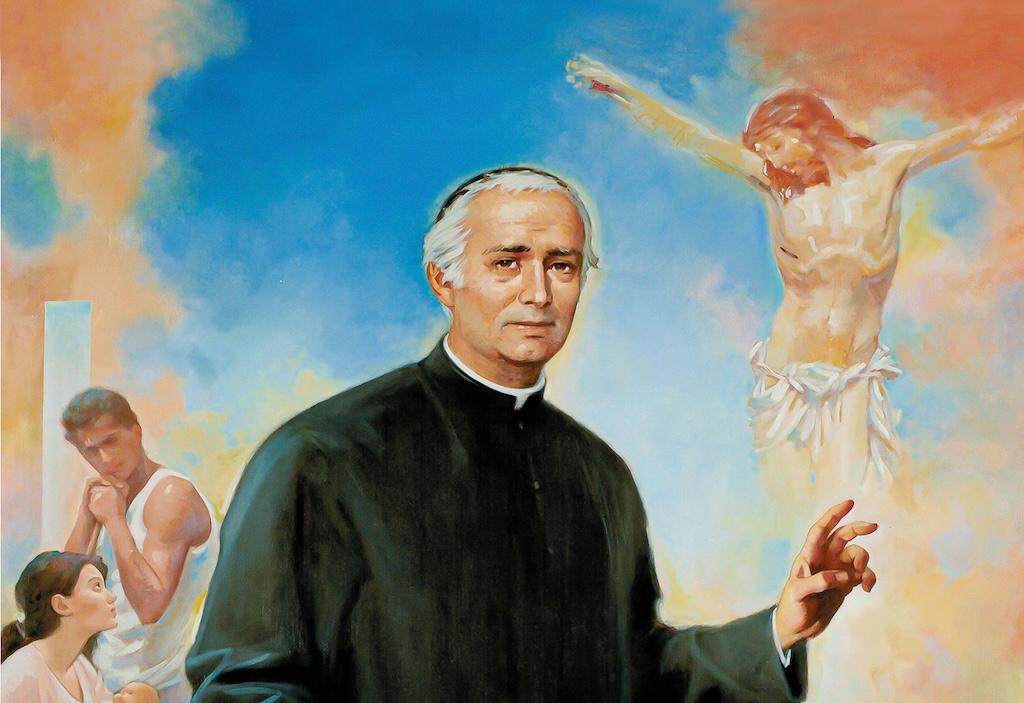

In the Service of the most Abandoned
Blessed Tommaso Maria Fusco was born in Pagani, southern Italy, on December 1, 1831, into a deeply Christian family. His childhood was marked by sorrow: his mother died of cholera while he was still a child, and a few years later he also lost his father. Left an orphan, his education was entrusted to his paternal uncle, a priest.
From an early age he developed a vocation to the priesthood, nourished by the example of his older brother, who was also a priest, and by the spiritual atmosphere that characterized his family. He entered the diocesan seminary, receiving Confirmation in 1851 and priestly ordination in December 1855.
The many trials he faced during his years of formation — including the deaths of both his uncle and his priest-brother — deeply shaped his spirituality, which became centered on the suffering Christ and on the Sorrowful Virgin Mary. This devotion became the heart of his life and apostolate.
From the very beginning of his ministry, Father Tommaso distinguished himself through his commitment to the education of young people and the Christian formation of the faithful. He opened a school in his own home and organized evening meetings for prayer and catechesis, inspired by the pastoral experience of Saint Alphonsus Maria de’ Liguori.
In 1857 he joined the Missionaries of Nocera, dedicating himself zealously to popular missions, especially in southern Italy. In 1860 he was appointed Chaplain of the Shrine of Our Lady of the Hens in Pagani, where he promoted Catholic associations for both men and women. There he erected the Altar of the Crucifix and established the Pious Union for devotion to the Most Precious Blood of Jesus.
Desiring also to provide formation for the clergy, he founded a school of moral theology for priests to prepare them for the ministry of reconciliation. He also established a priestly association dedicated to evangelization, which later received pontifical recognition.
Following a tragic event involving an abandoned orphan girl, his life took a decisive turn. After a period of intense discernment, in 1873 he founded a new religious congregation for women, the Daughters of Charity of the Most Precious Blood, with the aim of caring for and educating the poorest and most vulnerable girls.
In the years that followed, he devoted himself to missions, preaching, and the founding of houses and orphanages, while continuing his pastoral service as a parish priest, confessor, and spiritual director. Stricken by a serious illness, he died on February 24, 1891. He was beatified by Saint John Paul II on October 7, 2001.