


March 6: Saint Rose of Viterbo
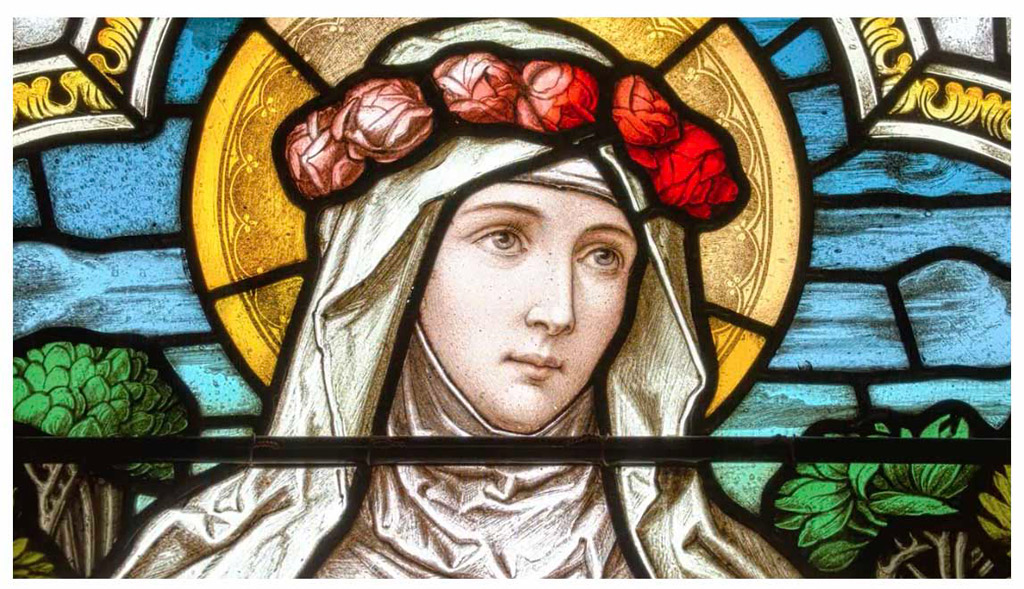

Peacemaker in the Name of Christ
Rose was born in Viterbo in 1233, into a humble family. At that time, the city was the scene of clashes between Guelphs and Ghibellines, as Emperor Frederick II sought to remove it from papal influence. Her parents, Catherine and John, raised her in the faith, inspired by the charisma of Saint Francis of Assisi.
Having understood her vocation to consecrated life, and since her home was near the monastery of the Poor Clares, Rose asked to be admitted there. She was refused because of her poverty. She then decided to become a Franciscan Tertiary and to live in the world. She began walking through the streets of the city in the name of Christ, seeking to reconcile the rival factions. This, however, led to her and her family being banished by the Emperor.
Forced into exile, she first found refuge in Soriano nel Cimino and then in Vitorchiano. She was able to return to Viterbo only in 1250, after the death of Frederick II.
Suffering from a severe genetic malformation, she died in 1251 at the age of eighteen. She was buried in the cemetery of her parish, Santa Maria in Poggio. The faithful began to visit her tomb to pray, and miracles multiplied. In 1252, both ecclesiastical and civic authorities asked Pope Innocent IV to initiate the canonization process. Her body was exhumed and found to be incorrupt.
In 1257, Pope Alexander IV, who had moved to Viterbo, dreamed of Rose three times. She asked him to have her body transferred to the monastery of the Poor Clares, where she had not been welcomed during her lifetime. On September 4, 1258, after the third apparition, the Pope, accompanied by the Cardinals, carried Rose’s body in procession to the church of the Poor Clares.