


August 29: The Martyrdom of Saint John the Baptist
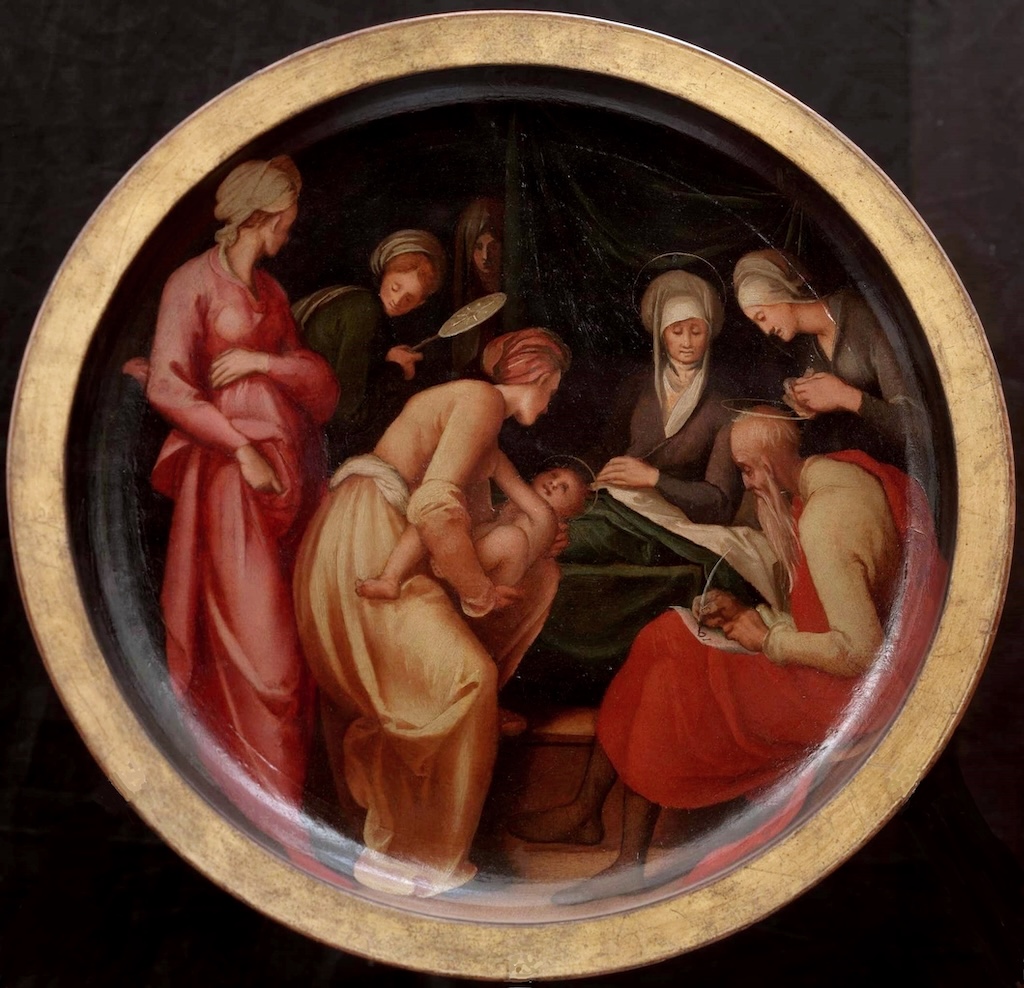

The Last of the Prophets
The memorial of Saint John the Baptist in the Latin Church has very ancient origins. Evidence of it can already be found in fifth century France and sixth century Rome, and is connected to the dedication of a church built in Sebaste, in Samaria, on the site believed to be the tomb of the Forerunner of Jesus. The feast is observed on August 29 and, according to the Roman Martyrology, this date corresponds to the second discovery of the head of Saint John the Baptist, which was later brought to Rome.
Information about the life of John the Baptist comes from the Gospels, especially that of Luke, which recounts his birth, life in the desert, and preaching, and from Mark, which describes his death.
Based on the Gospel and tradition, we can reconstruct the life of John, whose fiery words recall the spirit of the prophet Elijah. He firmly rejected being mistaken for the Messiah and emphasized the superiority of Jesus, whom he publicly pointed out as the Lamb of God at the baptism along the Jordan River.
From birth, foretold as that of the precursor of the Messiah, the life of John the Baptist was wholly dedicated to God. He withdrew into the desert, preached a baptism of repentance, and invited the people to conversion, preparing hearts to encounter Jesus Christ.
As the figure of Christ came into prominence, John withdrew into the background, fully aware of his role as forerunner. Yet he never ceased proclaiming the truth, even when it meant challenging authority. He courageously denounced the unlawful relationship between Herod Antipas and Herodias, the wife of his brother, paying for this denunciation with arrest and imprisonment in the fortress of Machaerus, located on the eastern shore of the Dead Sea.
During a banquet held at court, Salome, the daughter of Herodias, danced before Herod and his guests, earning their admiration. Herod, struck by her performance, promised her anything she desired, even up to half of his kingdom. At her mother’s prompting, the girl asked for the head of John the Baptist on a silver platter.
Though distressed, Herod did not wish to break the oath he had made in front of his guests and ordered John’s execution. His head was brought on a platter and given to Salome, who in turn handed it to her mother.
His death, born of vengeance and human pride, reminds us of the cost of defending justice and truth. Yet his sacrifice was not in vain: it stands as the highest testimony of a soul unyielding to fear or compromise. John the Baptist died for the truth and thus died for Christ, who is the way, the truth, and the life. His apparent defeat becomes a spiritual victory, illuminating the path for all who seek to live their faith with authenticity.
Last among the prophets, John the Baptist gave his life for the mission entrusted to him, bearing witness to the truth even unto martyrdom. For this reason, the Church venerates him as a martyr — a model of integrity, courage and fidelity to God, and an everlasting example for every believer called to denounce evil and proclaim the coming of the Lord.