


September 19: Saint Januarius, Bishop of Benevento and Martyr
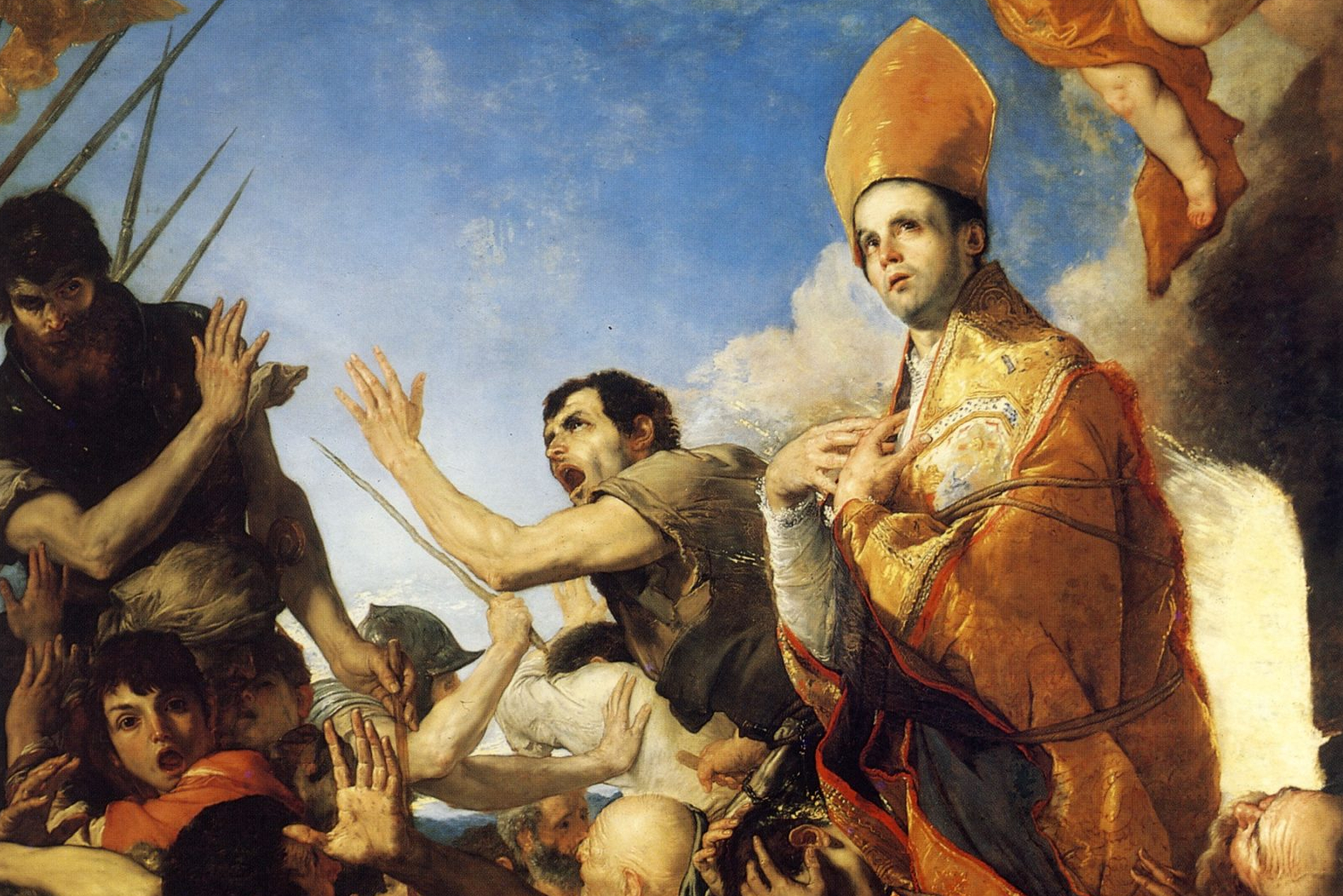

Remembrance of the blood shed for Christ
Saint Januarius lived in the 3rd century and was probably born in Naples. He was elected Bishop of Benevento and carried out his ministry with zeal, earning the esteem of both Christians and pagans for his charity and exemplary conduct.
Several ancient sources recount his life and martyrdom, including the Acts of Bologna and the Vatican Acts. Though not always consistent in details, these texts bear witness to the great renown of the martyred Bishop from the earliest centuries of the Church.
During the persecution of Christians under Emperor Diocletian, Saint Januarius, as Bishop of Benevento, went to Pozzuoli together with Festus, deacon, and Desiderius, lector, to visit the faithful. Along the way, he learned that Sossius, his friend and deacon of Miseno, had been arrested on his way to a pastoral celebration by order of the governor Dracontius, a notorious persecutor of Christians. Januarius, Festus, and Desiderius then went to visit him in prison, but because they intervened in his defense and openly professed their Christian faith, they too were arrested. The governor sentenced them to death. Taken near the Forum Vulcani (today’s Solfatara of Pozzuoli), they were beheaded on September 19, 305.
The cult of Saint Januarius spread as early as the 5th century when his relics were transferred from the Agro Marciano to Naples. A woman, identified as Eusebia, delivered two ampoules containing Januarius’s blood to the city’s bishop, who then commemorated the event by building two chapels: one in Vomero (called San Gennariello) and one in Antignano (San Gennaro ad Antignano), symbolic places marking the passage of the relics toward Naples.
The relic of the blood was first displayed in 1305. The first miracle of liquefaction—in which the blood appears to move and pass into a liquid state—occurred on August 17, 1389, shortly after a severe famine, further strengthening popular devotion to the Saint. Today, the phenomenon of the liquefaction of Saint Januarius’s blood takes place three times a year during historical and religious events connected to him: on the first Saturday of May, in remembrance of the first transfer of his relics to Naples, on September 19, the day on which the Church celebrates his liturgical memorial together with the anniversary of his martyrdom, and on December 16, commemorating the eruption of Mount Vesuvius in 1631, which promptly ceased after the people of Naples invoked the Saint’s intercession.
Pope Sixtus V canonized Januarius in 1586. He is often depicted with the pastoral staff and the palm of martyrdom. He is one of the most venerated saints in Italy, especially in the south. His cult is deeply linked to the history and to the religious and cultural identity of the city of Naples.