


8 December: Solemnity of the Immaculate Conception of the Blessed Virgin Mary
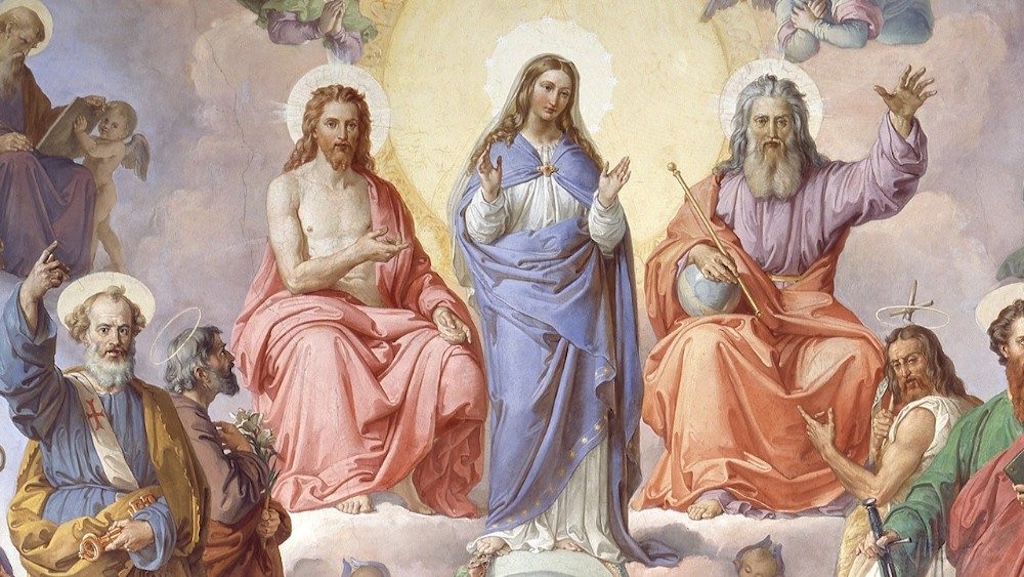

Tota Pulchra
Since medieval times, the Church has preserved a profound veneration for Mary, celebrating her conception without sin as early as the 11th century. This feast, placed at the heart of Advent, illuminates the expectation of the Messiah by recalling the unique bond between the Mother and the Son: Mary, shaped by the Spirit as a new creature, is presented by tradition as the one foretold in the promise made to the first parents, the woman destined to share in the victory over evil and to give birth to Emmanuel.
This conviction, rooted in the reflection of the Fathers, the Councils, and the centuries of Magisterium, found full definition in the 19th century. Pius IX, during the difficult period of his exile in Gaeta, felt an inner urgency to definitively affirm the truth of faith concerning Mary. Upon returning to Rome, he kept the vow he had made and on 8 December 1854, in the Sistine Chapel, solemnly proclaimed — through the Bull Ineffabilis Deus — that the Mother of Jesus was preserved, by a singular divine grace and in view of the merits of the Savior, from every shadow of original sin from the very first moment of her conception.
This definition did not emerge from nothing: Scripture allows us to glimpse this reality when, at the Annunciation, the Angel addresses Mary as “Full of Grace,” a title that indicates not merely a state of friendship with God, but a fullness that has its roots in an immaculate origin. Furthermore, popular tradition reinforced this awareness when at Lourdes in 1858, Mary herself revealed to Bernadette, “I am the Immaculate Conception,” recalling the proclamation of the dogma and linking it to other earlier Marian apparitions, such as those at Rue du Bac in Paris.
But what exactly does “Immaculate Conception” mean? It means that Mary, although conceived naturally by her parents, was not touched by original sin. And this is because she was to welcome into her womb the Word made flesh and give Him His humanity. The Catechism states that Jesus Christ is true God and true man in the one subject who is divine. This is the hypostatic union. It would not have been possible for the Son of God, perfect and infinitely holy, to assume human nature through a creature marked, even for an instant, by sin and in some way subject to the influence of the devil.
The liturgical feast of 8 December — established for the whole Church by Clement XI in 1708 and previously approved by Sixtus IV — anticipates by nine months the birth of Mary and gathers together centuries of prayer, reflection, and faith: a journey culminating in the official recognition that the Virgin, from her very first moment, belongs wholly to God, as the first fruit of the redemption brought by Christ.