


31 December: Saint Sylvester, Pope
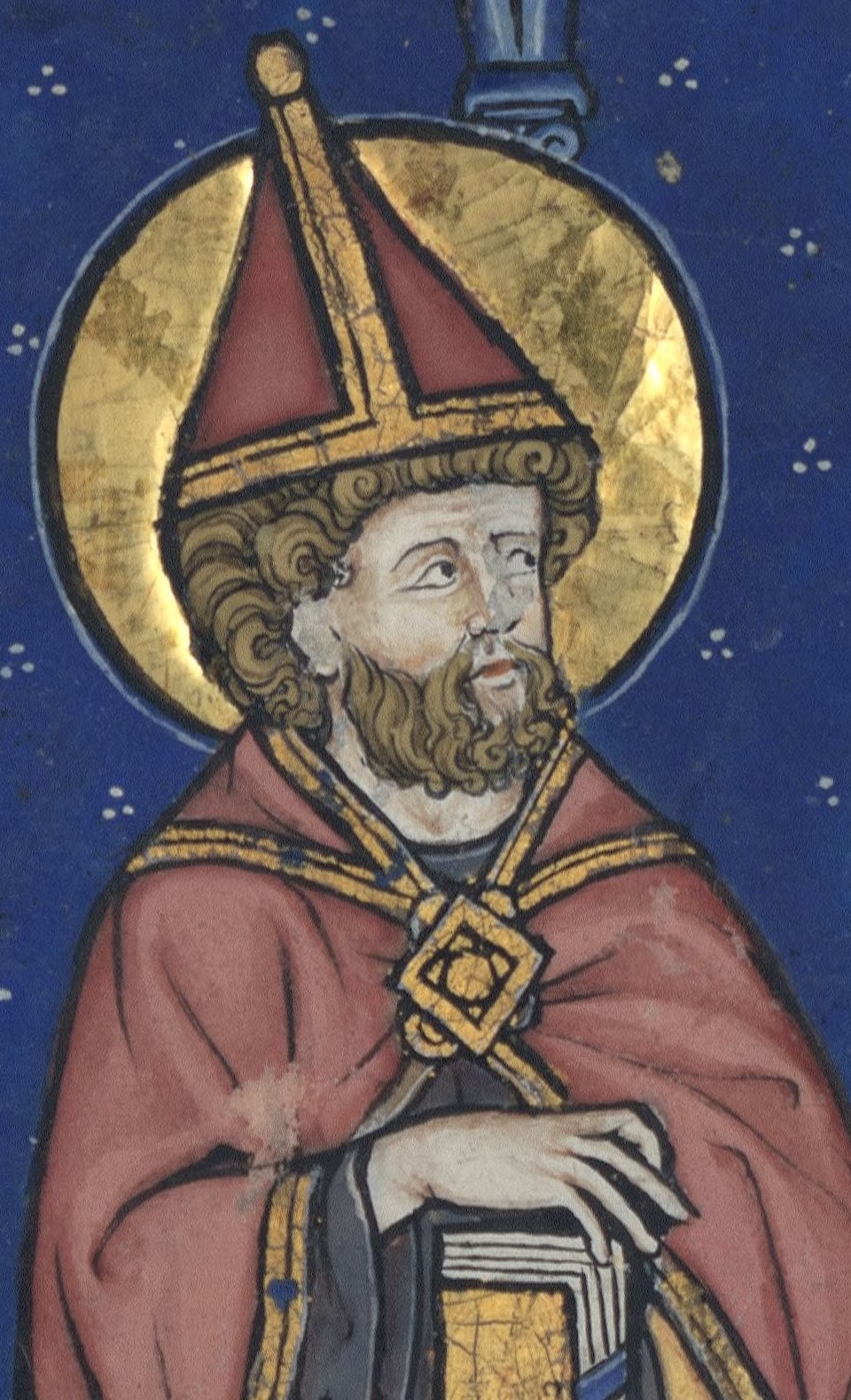

When Rome Became Christian
We possess no certain information about Saint Sylvester prior to his election to the Chair of Peter in 314, the year in which he succeeded Pope Miltiades. According to the Liber Pontificalis, he was the son of a Roman named Rufinus. Some traditions hold that he openly professed the faith already under Emperor Diocletian, a circumstance that may have favored his choice as leader of the Christian community.
During his long pontificate, which lasted until 335, the Church passed through a decisive phase: from being a persecuted reality forced into hiding, it became a presence officially recognized within the Empire, thanks above all to the Edict of Constantine. In this new context, Pope Sylvester helped to bring order to ecclesial life by establishing norms for worship, the ministering of the sacraments, and the role of the clergy, while monumental basilicas began to rise at sites associated with the memory of the Christian martyrs.
According to the Liber Pontificalis, at the suggestion of Saint Sylvester, Constantine had the Basilica of Saint Peter built on the Vatican Hill to house the body of the Apostle Peter. At Sylvester’s invitation, Constantine also ordered the construction of the Lateran Basilica and Baptistery near the former imperial palace, where the Pontiff began to reside, as well as the Basilica of the Holy Cross in Jerusalem and the Basilica of Saint Paul Outside the Walls.
His pontificate, however, was not without tensions: the peace achieved externally was accompanied by internal divisions caused by the Donatist schism and by Arianism. At the Councils of Arles and of Nicaea, convened to address these controversies, the Pope did not participate in person but sent his representatives.
Over the centuries, numerous legendary accounts accumulated around his figure, such as his healing of Emperor Constantine or the conversion of Empress Helena. Although these narratives lack historical documentation, they contributed to popular devotion to him.
Sylvester died on 31 December 335. He was one of the first non-martyr Pontiffs to be venerated as a saint in Rome. His relics, at various times attributed to different locations, were eventually placed by Pope Paul I in the oratory of a monastery on the Via Lata and later transferred to the basilica now known as San Silvestro in Capite.