


January 6: The Epiphany of the Lord

A light to enlighten the nations
The solemnity of the Epiphany is one of the oldest celebrations in Christianity. As early as the first centuries of the Church, it was experienced as the moment when Christ makes himself visible to the world. If Christmas is traditionally associated with the joy of the Lord’s birth, awaited and prepared for during the season of Advent, the Epiphany also expresses this same joy, broadening its meaning. For a long time, until the fourth century, January 6 was the principal date on which believers celebrated the Savior’s entry into human history. Far from replacing Christmas, the Epiphany completes it: it is the moment when Christ openly manifests himself, revealing himself to all peoples.
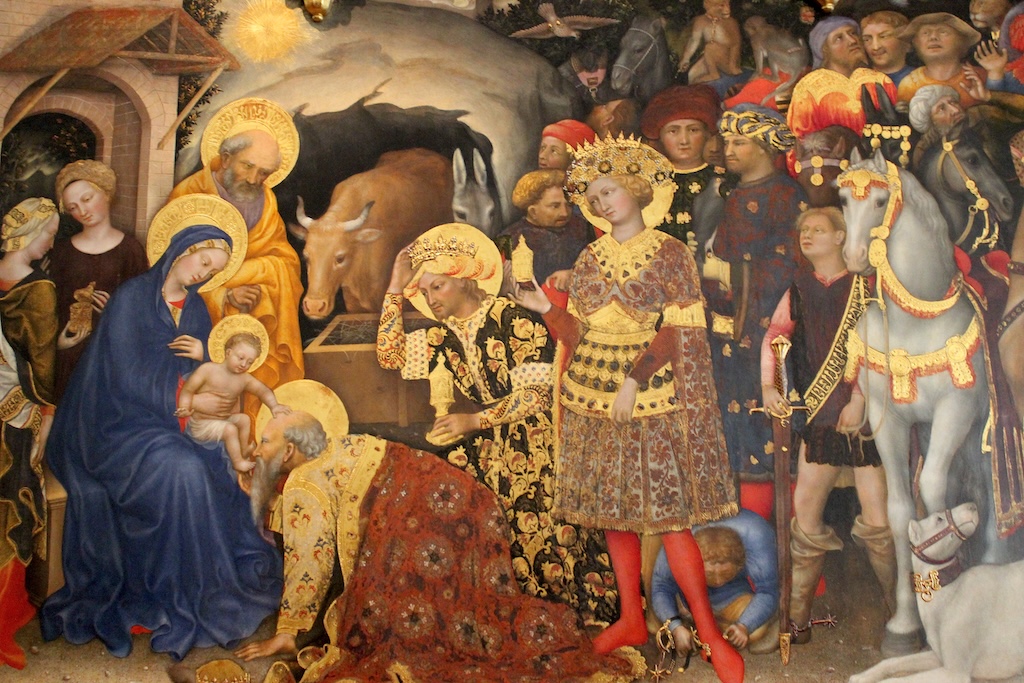
In the liturgy of the Epiphany, the Church meditates on three fundamental moments in the life of Jesus. In the Catholic tradition, particular emphasis is placed on the visit and adoration of the Magi, but other central events—especially remembered in the Eastern Churches—are not neglected: the baptism of Jesus in the Jordan and the miracle at the wedding at Cana. These episodes are also recalled in the proper liturgical texts of the feast, which unite them in a single contemplation of the mystery of Christ.
While Christmas proclaims the coming of the Savior among humanity, the Epiphany celebrates the profound bond that unites humanity to him. It is not merely a historical remembrance, but a “today” that transcends time—an eternal present in which the divine plan is fulfilled. On this day, Christ reveals himself in his kingship and holiness, inviting all to share in the fullness of his joy.
Through the Epiphany, the Church gathers and contemplates the entire mystery of Christ: supreme King, true man and true God. Although at the beginning of his earthly life this mystery was not yet fully revealed, the plan of salvation was already at work. It is no coincidence that during this celebration the dates of Easter and the principal feasts connected with it are publicly proclaimed, underscoring the unity of the liturgical year, which converges toward the Resurrection at Easter. The star that guides the Magi thus becomes a symbol of the paschal light: a foretaste of the victory of life over death and of the coming of Christ, Lord of the Universe.