


September 24: Blessed Virgin Mary of Mercy
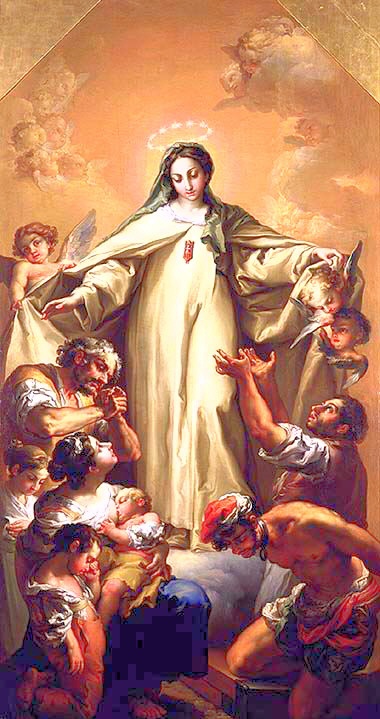

The Liberation from All Slavery
In the medieval period, the term mercede referred to a concrete form of compassion, directed especially toward those living on the margins of society—in particular, Christians held in captivity in non-Christian societies. Saint Peter Nolasco and his disciples devoted themselves fervently to this cause, founding a religious community dedicated to the liberation of Christian prisoners abroad, in danger of renouncing their faith. For this reason they were called the Friars of Mercy, and their convents were known as “Houses of Mercy.”
Deeply devoted to the Virgin Mary, whom they regarded as the inspirer of their mission, they bestowed upon her the title “Our Lady of Mercy” or “Our Lady of Compassion.” Convinced that Mary had played a decisive role in the birth of their Order, the friars officially included her name in the title of the Congregation. As early as 1272, in the first Constitutions of the Order, the complete name was established: Order of the Blessed Virgin Mary of Mercy for the Redemption of Captives.
The first church founded by the Mercedarians was built in 1249 and dedicated to Saint Mary. The image venerated there began to be identified as “Saint Mary of Mercy,” and from there the devotion spread wherever members of the Order settled.
During the period of colonization and missionary work in the Americas—beginning with Christopher Columbus’s second voyage in 1493—the Mercedarians brought with them devotion to the Virgin of Mercy. This devotion took deep root in the New World, where the local people, moved by popular piety, began calling her “Our Lady of Mercies,” an expression highlighting her generosity in bestowing the graces received from Christ.
Given the remarkable spread of this devotion, the Church affirmed its universal importance. As early as 1616, under Pope Pius V, and again in 1684 and 1696, the feast of Our Lady of Mercy was officially extended to the entire Catholic world, with September 24 established as the liturgical date for its celebration.
This Marian invocation expresses the tenderness of the Mother of God toward those who are oppressed, imprisoned, or in danger of losing their faith. It presents Mary as a redemptive figure who continues Christ’s saving work on behalf of the poor and the captives. In her, divine mercy is powerfully reflected, embodied as a living Gospel proclaiming liberation and hope.