


November 2: Commemoration of the Faithful Departed
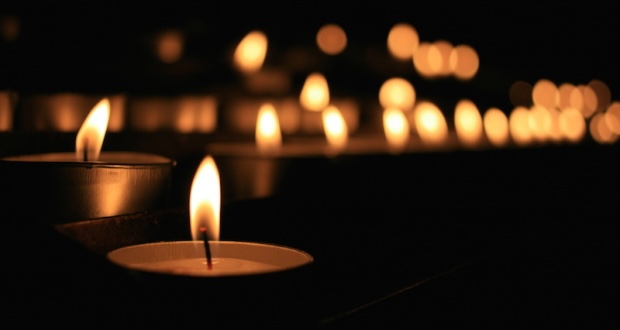

Remembrance and Prayer
The last days of October and the first days of November have always been considered a special time to commemorate the dead. One of the ancient beliefs explaining this choice is that the Great Flood—according to tradition—occurred precisely during this time of year, thus making it symbolically connected to death and remembrance.
In the Byzantine tradition, the commemoration of the dead was celebrated at the end of January or the beginning of February, specifically on the Saturday before Sexagesima Sunday, about sixty days before Easter.
Saint Augustine, already in the early centuries of Christianity, urged the faithful to pray for the dead not only on the anniversary of their death but also on other occasions, as a sign of charity and communion.
In the 7th century, monasteries began dedicating an entire day to prayer for all the departed. In the 9th century, the monk Amalarius affirmed that the commemoration of the dead should follow that of the Saints, in order to remember also those who had not yet entered Paradise but were waiting in hope.
The date of November 2 was chosen thanks to the initiative of Saint Odilo of Cluny, a Benedictine abbot deeply devoted to the souls in Purgatory. It is said that a fellow monk, returning from the Holy Land, had been forced by a storm to land in Sicily, where he met a hermit. The hermit told him that he often heard the cries of the souls in Purgatory, along with demonic voices accusing Odilo himself, who was striving to free them through his prayers.
Deeply moved by this story, in 998 the abbot ordered all Cluniac monasteries to celebrate, every November 2, a day of prayer for all the faithful departed. After Vespers on November 1, the abbey bells were to toll mournfully, and the next day Mass was offered for the repose of souls. From then on, this date became the official commemoration throughout the Church.
The Church has always lovingly preserved the memory of the dead. This attention arises from a profound Christian hope, rooted in Scripture and in God’s mercy. In the Book of Job we read: “As for me, I know that my vindicator lives and that he will at last stand forth upon the dust.” (Job 19:25). This verse expresses the certainty that death is not the end, but a passage toward the vision of God.
The Apostle Paul also insists on this truth: for Christians, the death and resurrection of Jesus are one single event. The disciples share in this mystery and live guided by the Spirit of the Risen One. This is why Christians pray for the dead, trust in their intercession, and hope one day to be reunited with them in heaven, united in the praise of God.
This commemoration is also an occasion to recognize the good they left on earth—the witness of faith, love and charity they passed on. Together with them, we too walk in hope toward that fullness of life that only God can give.