


January 8: Saint Severinus, Abbot
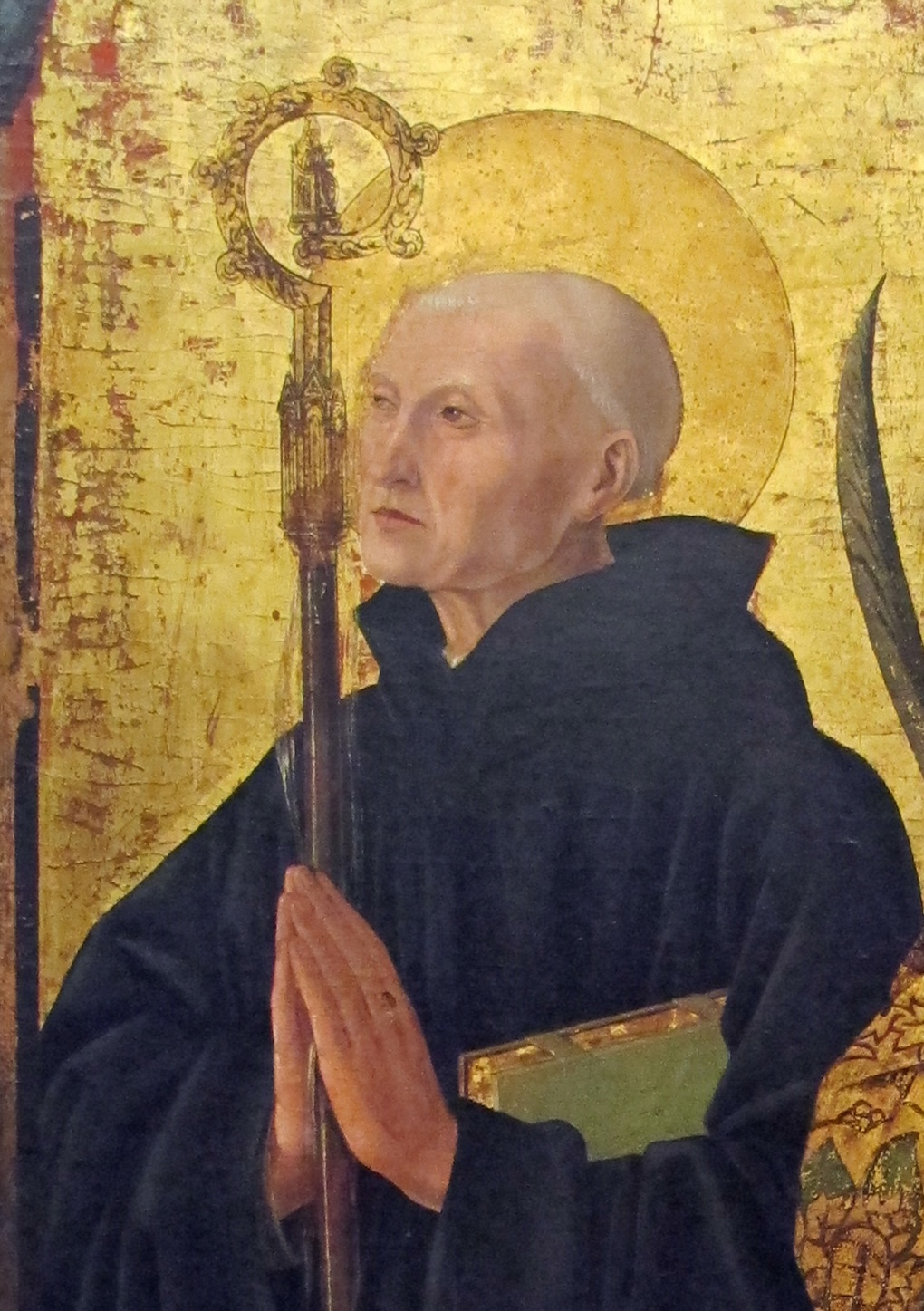

The Apostle of Noricum
Saint Severinus of Noricum, born around 410, is a central figure Christianity of Late Antiquity. Recognized as a saint by both the Roman Catholic and the Orthodox Churches, he devoted his life to the evangelization of the Roman province of Noricum, in present-day Austria, where he founded numerous monastic communities. The area he frequented most was the Danubian plain, between Carnuntum and the region of Passavia, today’s Passau.
Almost everything that is known today not only about Severinus’s life, but also about the history of Noricum in the fifth century, derives from a single source: the Vita Sancti Severini, written in 511 by Eugippius, his disciple and abbot of the monastery of Favianis.
Very little is known about Severinus’s origins and youth. After the death of Attila in 453, he moved from Pannonia to Noricum, at a time marked by the collapse of imperial institutions and the violence of the great barbarian migrations. Traveling along the Danubian frontiers and stopping at various Roman military camps, Severinus became a spiritual and moral guide for a population afflicted by famine, insecurity, and continual raids. At Favianis he founded his first monastery, which soon became a point of reference for the entire region.
Endowed with great practical sense as well as deep spirituality, Severinus worked concretely to alleviate people’s suffering: he promoted the restoration of minimal forms of legality, organized the distribution of food and clothing, and intervened with Germanic rulers to obtain the release of Roman prisoners. Between 469 and 470, for example, he succeeded in persuading the Alamannic king Gibuld to free several captured soldiers. Concerned for the safety of the most exposed communities, he encouraged the evacuation of the outposts along the Upper Danube and advised Roman settlers to take refuge in Favianis, an area relatively protected by the Rugians, with whose elite Severinus appears to have maintained direct relations. At a later stage, in view of growing instability, he encouraged many Romans to return to Italy.
His moral authority and his connections with prominent political figures, such as Odoacer, king of the Heruli and future ruler of the Western Roman Empire, ensured him protection during the roughly thirty years of his mission, carried out between Vienna and Passau. During this period he founded churches and other monasteries, including those of Boitro and Favianis.
Severinus died on January 8, 482, at Favianis (modern-day Mautern, near the Danube), leaving behind a profound spiritual legacy. Some years later, when the Romans were forced to abandon Noricum definitively, the monks transferred his remains to Lucullanum, near Naples, where a great abbey dedicated to him was established. Today his relics are kept in a reliquary in the church of Frattamaggiore. Saint Severinus is venerated as the patron saint of Bavaria and Austria and is also remembered in southern Italy, particularly in Naples, as an example of faith, charity, and commitment in one of the most difficult periods of European history.