

April 1: Blessed Charles of Austria, Emperor

Service, not power
He ascended to the imperial throne of Austria on November 21, 1916, and on December 30 of the same year he was crowned Apostolic King of Hungary, in the midst of the First World War. In his inaugural address, he declared that his goal was peace and brotherhood among peoples. He drew inspiration from the Social Doctrine of the Church to promote more just legislation, respectful of the more vulnerable social classes.
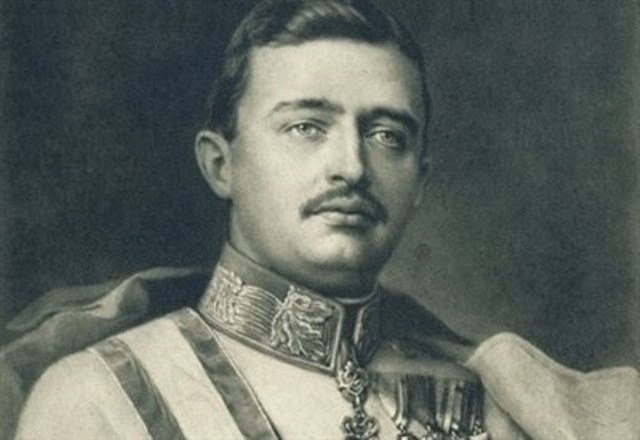
He was Emperor Charles of Austria, born on August 17, 1887, at Persenbeug Castle in the region of Lower Austria. His parents were Archduke Otto and Princess Maria Josepha of Saxony, daughter of the last King of Saxony. Emperor Franz Joseph I was his great-uncle.
He was raised in the Catholic faith from an early age, developing a deep love for the Eucharist and for the Sacred Heart of Jesus. He never made an important decision without first praying. A group of people supported him with prayer, since a stigmatized religious had foretold great sufferings and attacks against him. From this originated, after his death, the “Emperor Charles Prayer League for Peace among Peoples,” which in 1963 became an ecclesial recognized community of prayer.
On October 21, 1911, he married Princess Zita of Bourbon-Parma, with whom he had eight children. On June 28, 1914, following the assassination of Archduke Franz Ferdinand, Charles became heir to the throne of the Austro-Hungarian Empire.
He considered ruling as a service rendered to Christ, in order to promote peace, the common good, and the protection of life among the peoples entrusted to him. For this reason, he sought in every way to stop the war, welcoming the appeals and efforts of Pope Benedict XV.
After the defeat, his conduct helped avoid a transition marked by civil war, but he was exiled to the Portuguese island of Madeira. Since he regarded his mission as a mandate from God, he never abdicated.
In exile, he lived in great economic hardship and made enormous sacrifices. He fell ill with pneumonia and, forgiving those who had opposed him, died on April 1, 1922, at just 35 years of age. He was beatified by Pope John Paul II on October 3, 2004.