August 3: Saint Lydia
The First Disciple of Saint Paul
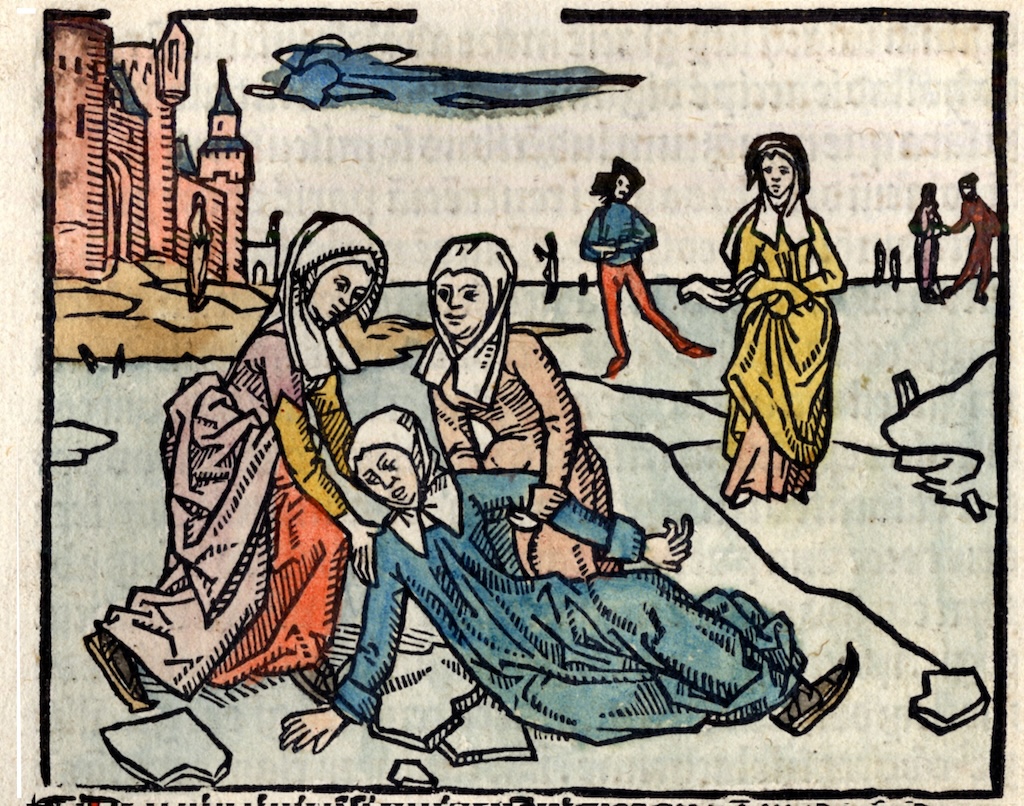
Lydia is a saint whose name does not appear in any official martyrology, yet she is mentioned in a well-known passage from the Acts of the Apostles, written by the evangelist Luke.
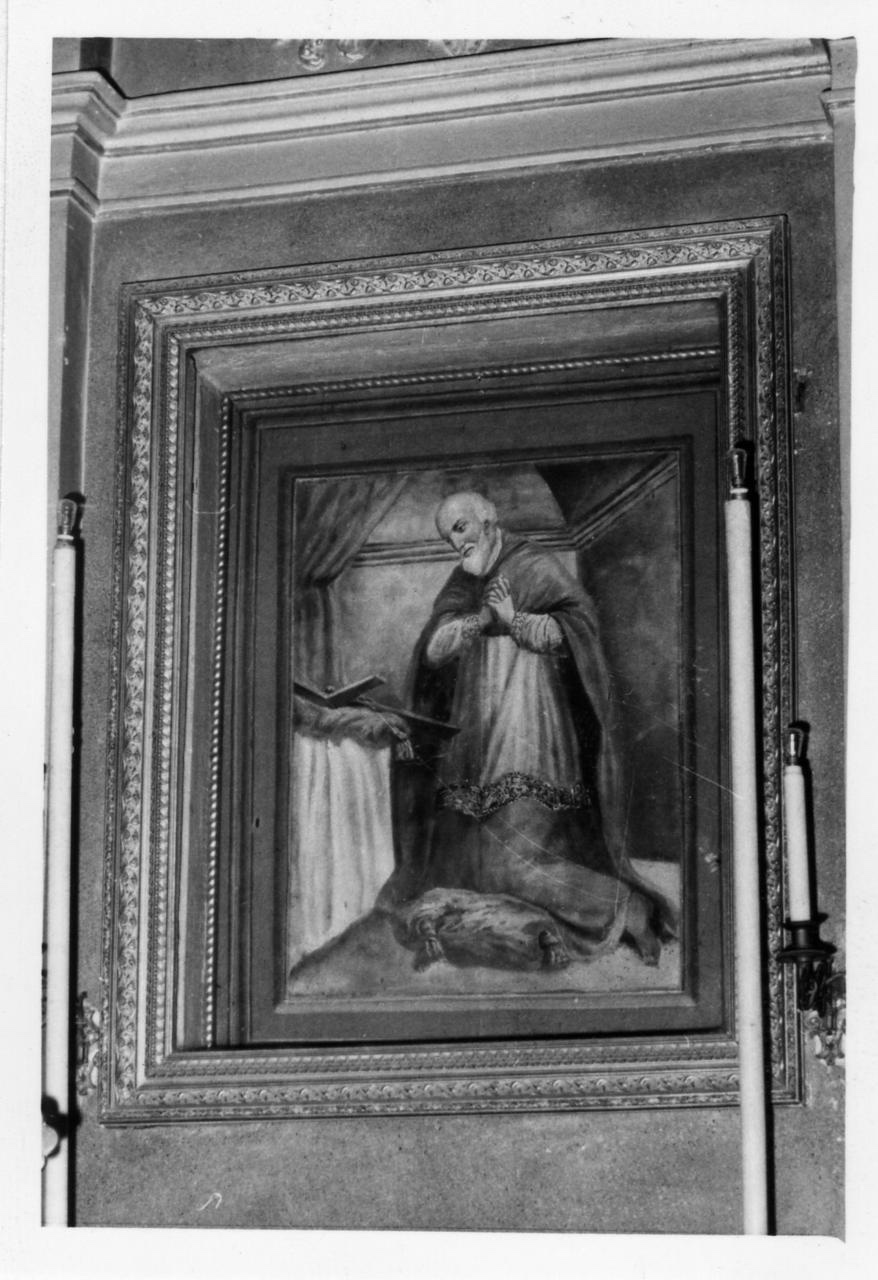
Pierre-Julien Eymard was born in France, on February 4, 1811, in La Mure (Isère), into a modest and devout Christian family. From a young age, he demonstrated a deep devotion to the Blessed Sacrament and aspired to become a priest, though his father initially opposed the idea.
Proclaiming the Word of God “to the most abandoned and spiritually neglected” was the mission and charism of Saint Alphonsus Maria de’ Liguori. A man of broad culture in the humanities, law, theology, and philosophy, he was a fervent Christian layman before becoming a priest.
Saint Ignatius of Loyola was born in 1491 at the Loyola Tower House in the Basque Country, Spain. His original name was Iñigo, and he was the youngest son in a large family with thirteen siblings.
Saint Peter Chrysologus was likely born in Forum Cornelii (modern-day Imola) around the year 380. He was initiated into the Christian faith and ordained deacon by Bishop Cornelius of Imola. Between the years 424 and 429, he was appointed Bishop of Ravenna by Pope Sixtus III., Ravenna had been the seat of the emperor of the Western Roman Empire since the year 404. Peter was the first Metropolitan Bishop of Ravenna who was not of Eastern origin.
Martha, Mary, and Lazarus were siblings. When they welcomed Jesus into their home in Bethany, Martha served him with care, and Mary listened to him with devotion; through their prayers, they asked for the resurrection of their brother.