Select your language

Saint of the day

Saint of the day

June 16: Quiricus and Julita, Martyrs

Mother and son united in faithfulness to Christ

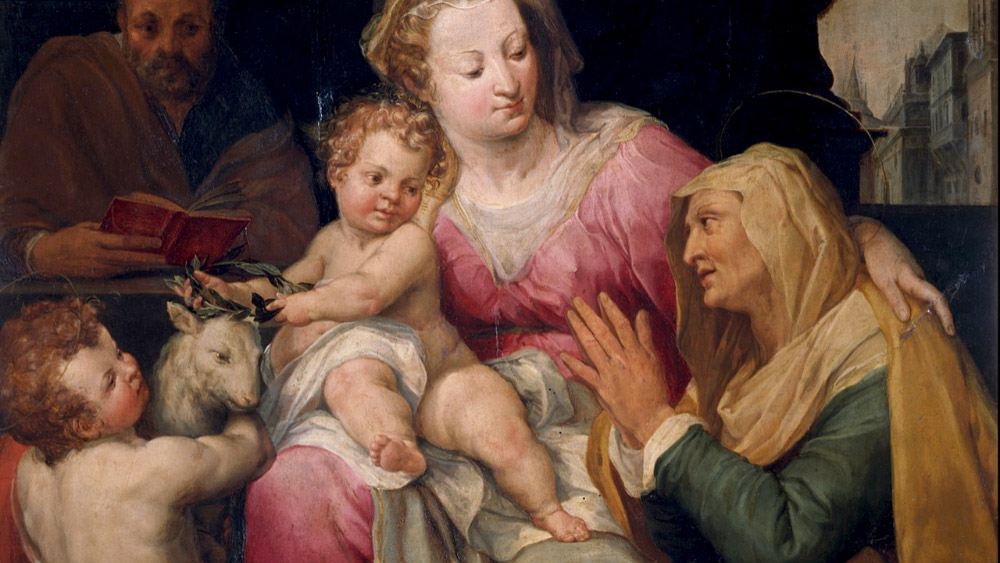
Quiricus and Julita were two martyrs of the 4th century: a mother and her three-year-old son, killed together in Tarsus, in what is now Turkey. Julita was a noblewoman of royal lineage from Iconium in Lycaonia, a central region of present-day Turkey.

June 15: Saint Bernard of Menthon (or Bernard of Aosta, or of the Alps)

Charity and support for travelers and the needy

He is known for founding the famous hospices on the alpine passes of the Great St. Bernard and the Little St. Bernard, which were named after him. These hospices, located at altitudes of 2,469 meters and 2,188 meters respectively, were established to meet the needs of travelers crossing the Alps. They offered shelter, medical assistance, and spiritual support to pilgrims and wayfarers in difficulty. In a short time, the hospices became a symbol of Christian charity and dedication to others.

June 14: Saint Elisha, Prophet

Listening to the Word of God

Elisha is still a common name among African Christian families today. It comes from the Hebrew meaning “God is Lord” (El-Yah). In the Bible, Elisha is presented as a prophet who lived in the 8th century B.C., a disciple of the great prophet Elijah. His calling is recounted in the First Book of Kings, chapter 19:

June 13: Saint Anthony of Padua, Doctor of the Church

Preaching and Miracles in Service of the Kingdom of God

A Portuguese nobleman who renounced wealth and honors to join the Augustinian Canons, Saint Anthony of Padua was deeply moved by the martyrdom of five Franciscan proto-missionaries. Inspired by their example, he became a disciple of Saint Francis of Assisi, dedicating his life to preaching the Word of God.

June 12: Pope Leo III

Founder of the Palatine School

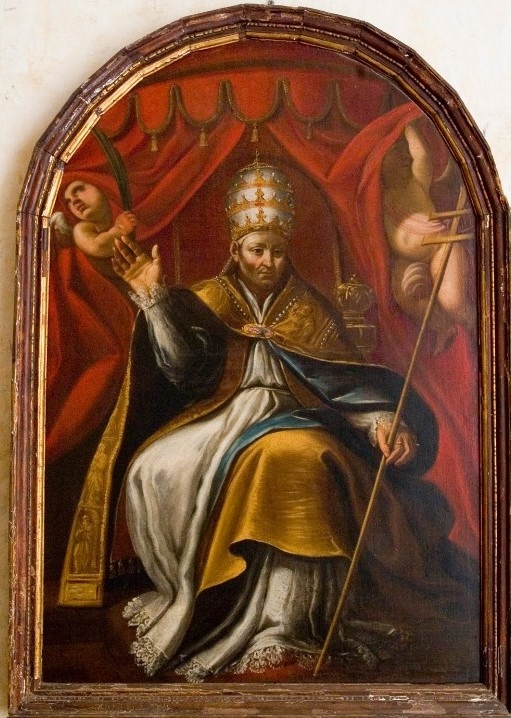
Pope Leo III, born in Rome, was educated from childhood within the vestiarium of the Roman Church, the office that managed the papal treasury.
Ordained as a subdeacon and later as Cardinal with the titular church of Santa Susanna, he maintained an important role in that administration which he officially headed in 789, becoming one of the main collaborators of Pope Adrian I.

June 11: Saint Barnabas, Apostle

The “Son of Consolation”

Saint Barnabas, though not one of the original twelve Apostles directly chosen by Jesus, was recognized as a true Apostle by the early Church Fathers and by Saint Luke. This recognition was granted not only because of his special vocation inspired by the Holy Spirit but also due to the significant role he played in the spread of Christianity, actively collaborating with the other Apostles.

Select your language