Select your language

Saint of the day

Saint of the day

December 28: The Holy Innocents, Martyrs

Victims of violence by the powerful

The Holy Innocents are the children of Bethlehem who lost their lives because of the fury of King Herod, thus becoming the first innocent victims associated with the birth of Christ. Not with words, but with their blood, they offered an example of faith and sacrifice.

27 December: Saint John, Apostle and Evangelist

John, whose name means “God  is gracious”, was described by Paul as a “pillar” of the Church (Gal 2:9). He was originally from Galilee, probably from near Lake Tiberias (Sea of Galilee).

December 26: Saint Stephen, Protomartyr

The first blood shed in witness to Christ

Of Stephen, known as the first martyr of the Church, we know above all the final moments of his life, recounted in the Acts of the Apostles. Information about his origins is uncertain: some believe he was of Greek culture, while others consider him a Jew with strong ties to the Hellenistic world. Among his distinctions are being one of the first Jews to convert to Christianity, his role as the foremost among the seven deacons chosen by the Apostles to assist them in caring for the community and managing its goods, and, finally, the sacrifice of his life for refusing to renounce Christ, earning him the title of “protomartyr.”

25 December: Solemnity of Christmas

The Word became flesh

The birth of Jesus into the world, although it cannot be dated with precision either as to the year or the day, was already honored as a feast in both Eastern and Western Christian communities at the beginning of the fourth century. Gradually, under the influence of Roman tradition, the celebration of 25 December became established—a date chosen also to counter the ancient pagan festival dedicated to the rising sun, which fell precisely around the time of the winter solstice. Christians saw in that day the symbol of the appearance in the world of the true light, Christ, who breaks through the darkness produced by sin.

24 December: Saint Irmina, Abbess

In the school of Saint Benedict and Saint Scholastica

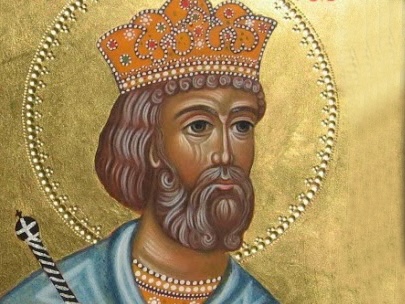
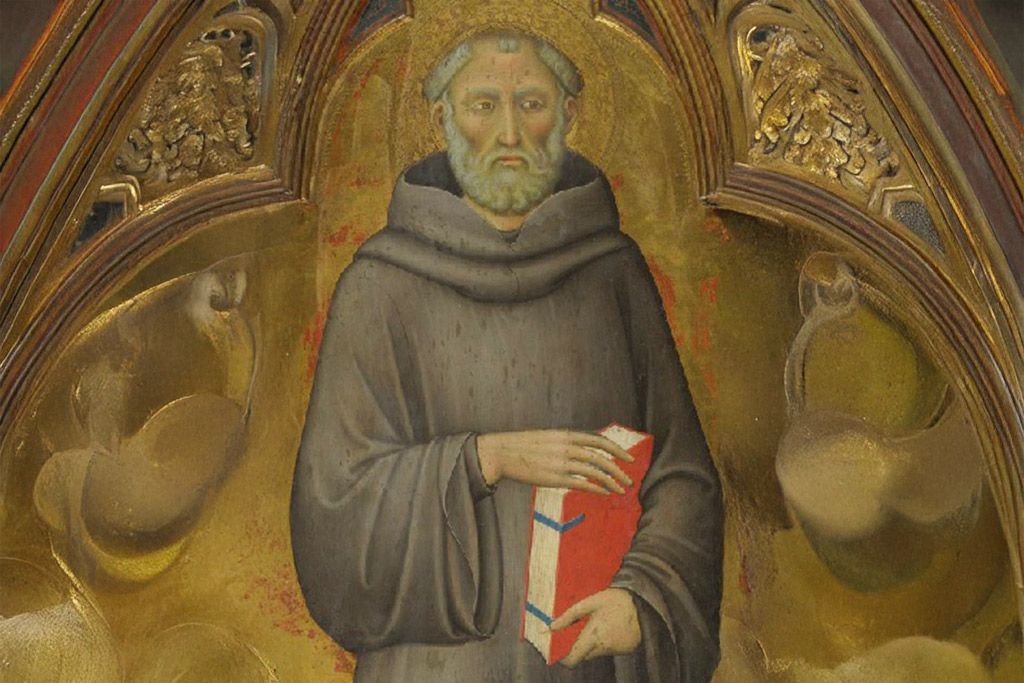
Irmina lived between the 7th and 8th centuries and, according to tradition, was the daughter of Dagobert, King of Austrasia, the eastern portion of Merovingian Gaul. After remaining unmarried following the death of her betrothed, she entered the Benedictine order and founded the monastery of Oeren in Trier, of which she became abbess.

December 23: Saint John of Kęty

A teacher in the service of the poor

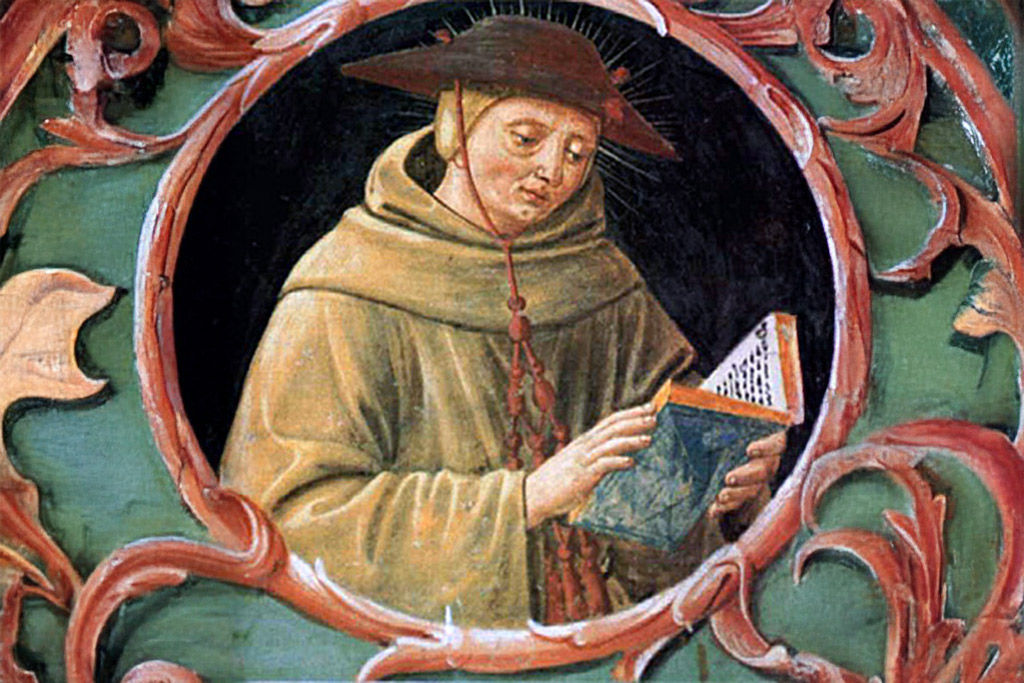
Born around 1390 in Kęty, in Poland near Kraków, John showed exceptional intelligence from a young age: at just twenty-seven years of age he was already teaching philosophy. In 1416 he was ordained a priest and almost immediately entrusted with the direction of the school attached to the Monastery of the Holy Sepulchre in Miechów. He remained there for about eight years, until 1429, when he returned to the University of Kraków.

Select your language