Select your language

Saint of the day

Saint of the day

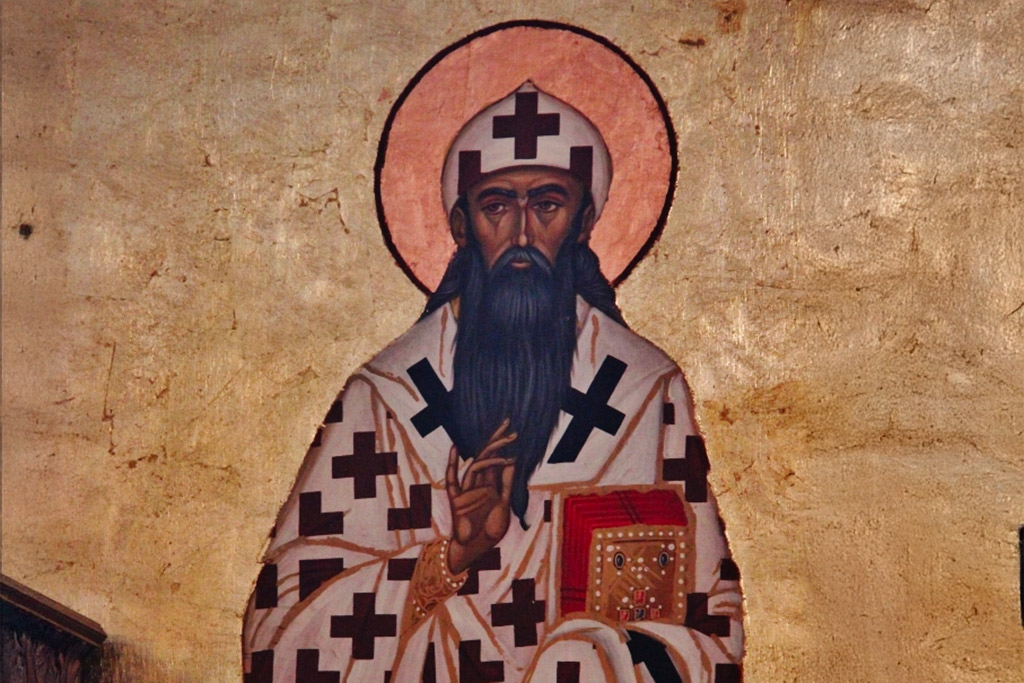
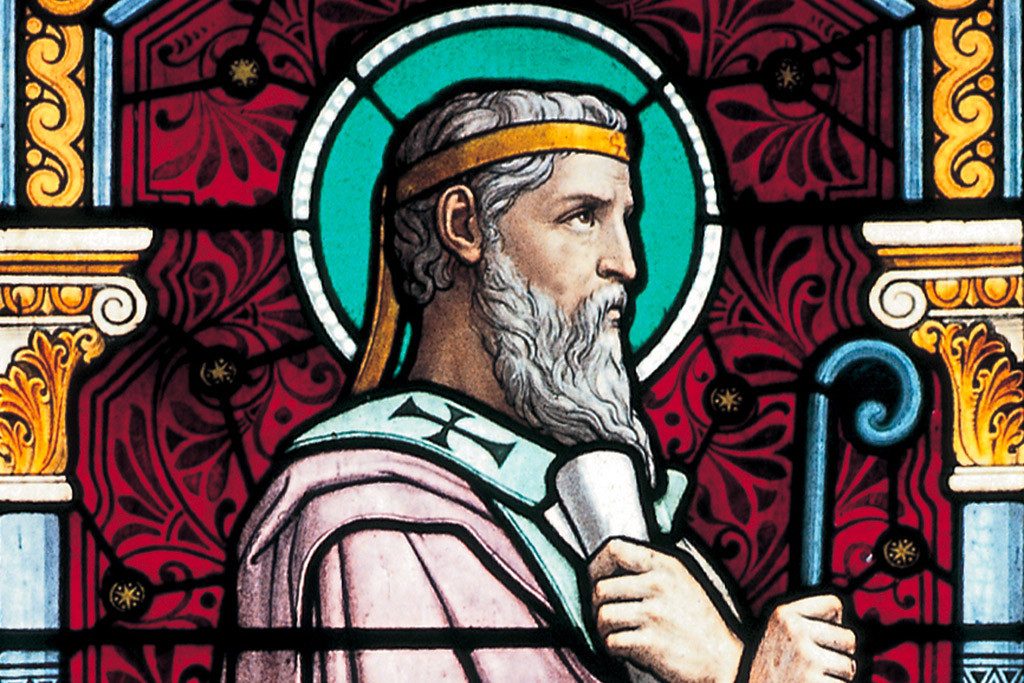
October 14: Saint Callistus I, Pope and Martyr

A Merciful Shepherd

Callistus, a complex and much-debated figure of the early Church, was born in Rome in the second half of the 2nd century into a Christian family of servile condition. While still young, he became a slave in the household of a wealthy Christian named Carpophorus, who was connected to the imperial court. Thanks to his enterprising spirit and a certain talent for business, Callistus was entrusted with managing a financial enterprise that served as a kind of deposit and exchange bank, frequented mostly by fellow Christians.

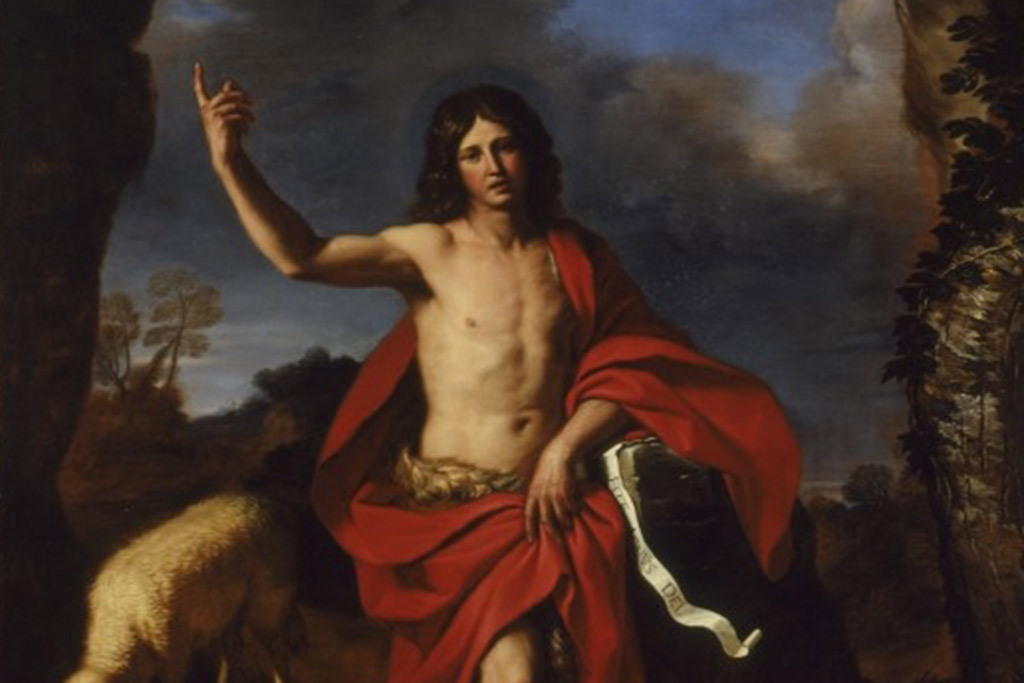
October 13: Saint Edward, King

The Patron of the English Monarchy

 Saint Edward the Confessor, venerated as the Patron Saint of the English monarchy, was born around the year 1002 in Islip, near Oxford. The son of the Anglo-Saxon King Æthelred II and the Norman Emma, sister of Duke Richard II of Normandy, he spent much of his youth in exile at the Norman court, where he had taken refuge following the Danish invasion of 1013. He remained in Normandy for about twenty-five years, during which he developed a deep spirituality and a profound attachment to the Christian faith.

October 12: Saint Carlo Acutis

A Model for Young People

Through his life, he showed that holiness is not reserved only for priests or religious, but can be lived by anyone — even at school, in the family or in front of a computer screen. He was able to speak about God to his peers using the language of technology, passion and friendship. His coherence between faith and daily life, his willingness to do good and his faith deeply rooted in the Eucharist and the Virgin Mary make him a model for young people of our time.

11 October: Saint John XXIII

The Pope of Peace and Dialogue with Everyone

“With your hand on your conscience may each one hear the anguished cry which is raised to the skies from all parts of the earth, from the innocent children to the elderly, from the people of the communities: Peace, peace! We renew this solemn plea today”. With these words broadcast on Vatican Radio on 25 October 1962, Saint John XXIII launched an appeal for peace to world leaders, in particular those of the United States of America and the Soviet Union. The world was in the midst of the Cuban missile crisis, and had not come this close to a third world conflict, since the end of World War II. Indeed, between 14 and 19 October, the world was on the very edge of a nuclear abyss. The words of the Pope, who had opened the Second Vatican Council on 11 October, were strongly persuasive on the consciences of people, especially those of John Fitzgerald Kennedy and Nikita Khrushchev ((Sergeevič Chruščëv).

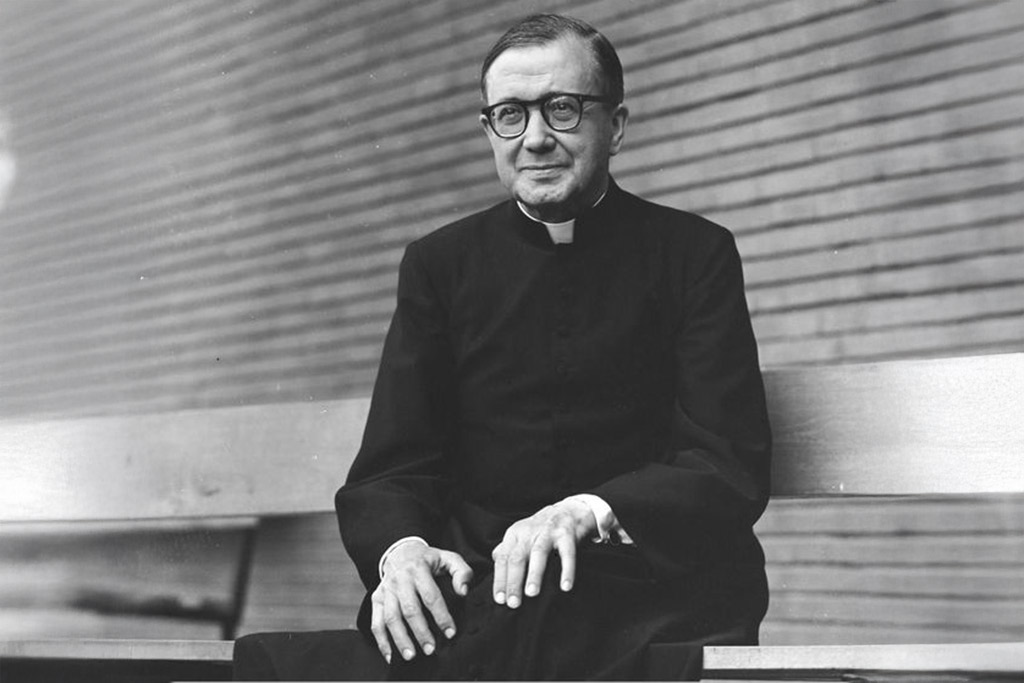
October 10: Saint Daniele Comboni

Saving Africa through Africa

Daniele Comboni, who became the first Bishop of Central Africa and founder of two missionary institutes, was born into humble circumstances. He was born on March 15, 1831, in Limone sul Garda, northern Italy, into a poor family of farmers working for a landowner. His parents, Luigi and Domenica, were deeply religious yet their lives were marked by continual sorrow: Daniele was the only one of their eight children to survive past infancy.

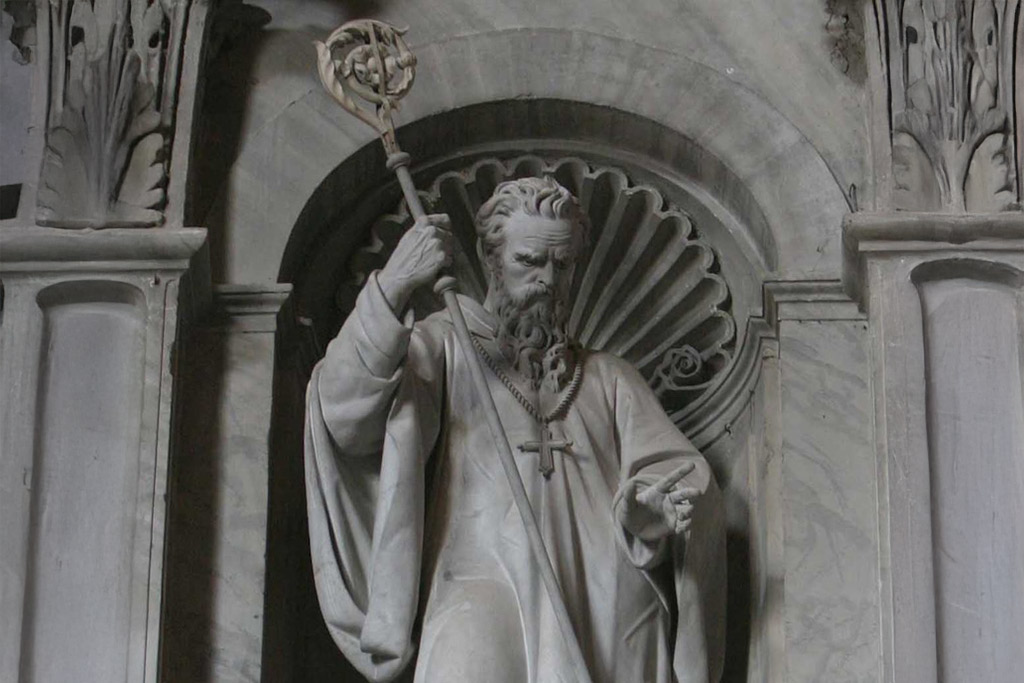
9 October: Saint John Newman, Oratorian and Cardinal

SEEKING THE KINDLY LIGHT

Jesus, “Stay with me, and then I shall begin to shine as Thou shinest: so to shine as to be a light to others” (Meditations on Christian Doctrine, VII,3). These celebrated words by Cardinal John Henry Newman sum up his thoughts and his legacy. He was a person who was “inconvenient” for his time, who drew many different reactions including among Catholics. He is known for his openness to lay people and to their participation in the evangelization of England in the 19th century, at a time when the country was still tied to tradition and against change. But Newman was certainly not one to take a step back, and he promoted an intelligent and well instructed laity: “I want a laity, not arrogant, not rash in speech, not disputatious, but men who know their religion, who enter into it, who know just where they stand, who know what they hold, and what they do not, who know their creed so well, that they can give an account of it, who know so much of history that they can defend it” (The Present Position of Catholics in England, IX, 390). He involved laypeople in teaching catechesis, and was met with opposition, even among the clergy.

Select your language